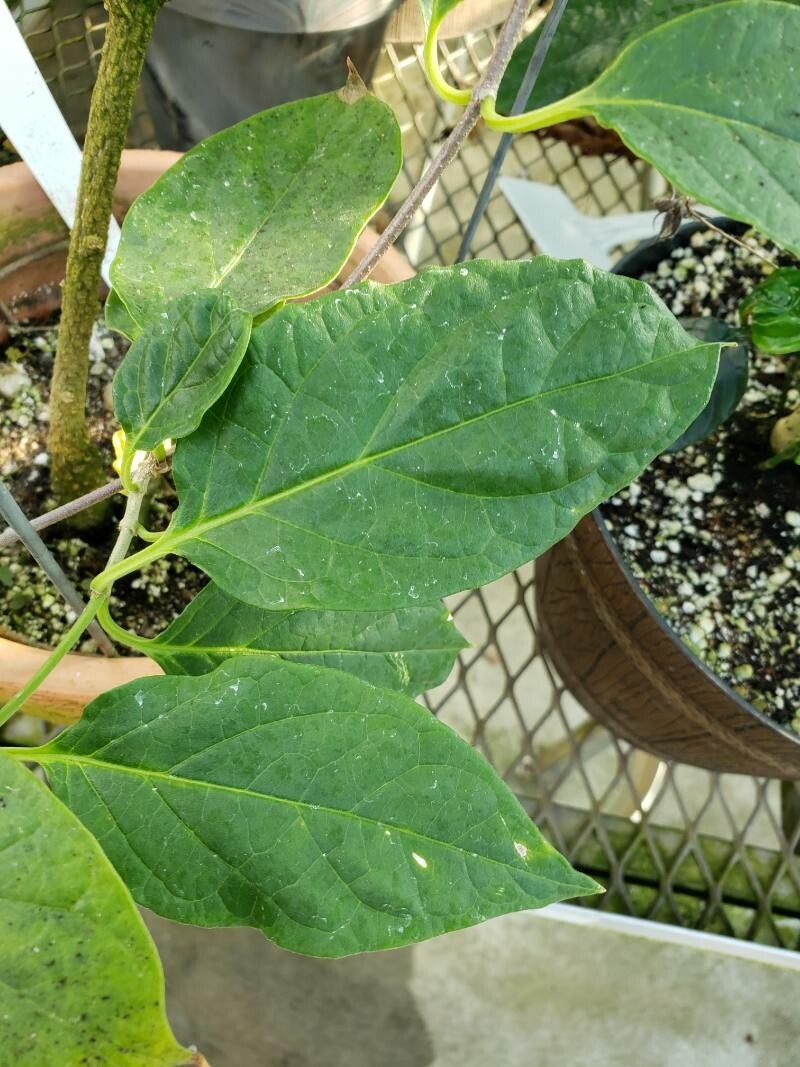
Hello, fellow plant lovers! It’s so nice to connect with you from my sun-drenched corner of the garden. Today, we’re diving into the wonderful world of propagating Echites panduratus, also known as the Confederate Jasmine or, as I affectionately call it, the “Apricot Starflower” for its delicate, sweet-scented blooms.
This vine is an absolute treasure. Its glossy, dark green leaves form a beautiful backdrop for clusters of creamy white, star-shaped flowers that perfume the air with a lovely, subtle apricot fragrance. Watching a cutting transform into a thriving new plant is one of the most satisfying experiences a gardener can have. And the good news? Echites panduratus is generally quite forgiving, making it a fantastic choice, even if you’re just dipping your toes into propagation.
The Best Time to Start
My favorite time to take cuttings for Echites panduratus is in late spring to early summer. This is when the plant is actively growing, and its stems are plump with energy. You’re looking for semi-hardwood cuttings, which means the stem is no longer entirely soft and flexible like a brand new shoot, but not yet woody and rigid. Think of a pencil – that’s about the right consistency. Taking cuttings when the plant is in this active growth phase significantly increases your chances of success.
Supplies You’ll Need
Gathering your supplies beforehand makes the whole process so much smoother. Here’s what I like to have on hand:
- Sharp Pruning Shears or a Clean Knife: We need clean cuts to prevent disease.
- Rooting Hormone (Optional but Recommended): This little helper encourages faster root development. Look for one containing I.B.A. (indole-3-butyric acid).
- Small Pots or Seedling Trays: Around 4-inch pots are a good size to start with. Make sure they have drainage holes!
- Well-Draining Potting Mix: A good mix is crucial. I often use a blend of equal parts perlite and a good quality potting soil, or a commercial seed-starting mix. This ensures air circulation and prevents waterlogging.
- Clear Plastic Bags or a Propagation Dome: This creates a humid microclimate for your cuttings.
- Watering Can with a Fine Rose: Gentle watering is key.
- Small Labels or Plant Markers: Essential for remembering what you’ve planted and when!
Propagation Methods
Let’s get our hands dirty! The easiest and most successful method for Echites panduratus is stem cuttings.
Stem Cuttings:
- Select Your Cuttings: Choose healthy, vigorous stems from your well-established plant. Look for a stem that’s about 6-8 inches long.
- Make the Cut: Using your sharp shears, make a clean cut just below a leaf node. A leaf node is where a leaf attaches to the stem. This is where new roots will most likely emerge. Remove the leaves from the bottom two-thirds of the cutting. This prevents them from rotting in the soil and encourages the plant’s energy to go into root formation. Leave 2-3 leaves at the top.
- Apply Rooting Hormone (Optional): If you’re using rooting hormone, dip the cut end of the stem into the powder or gel. Tap off any excess.
- Plant Your Cuttings: Fill your pots with your prepared potting mix. Make a small hole in the center of the soil with your finger or a pencil. Gently insert the cut end of the Echites panduratus cutting into the hole.
- Firm the Soil: Carefully firm the soil around the cutting to ensure good contact.
- Water Gently: Water thoroughly but gently. You want the soil to be moist, not soggy.
- Create Humidity: Place a clear plastic bag over the pot, securing it loosely around the rim, or use a propagation dome. This creates a mini greenhouse environment, keeping the humidity high and preventing the cuttings from drying out.
Water Propagation (A Fun Alternative):
While less common for sturdy vines like Echites panduratus, water propagation can work for smaller, more tender pieces.
- Prepare Cuttings: Take shorter cuttings (4-6 inches) and remove all but the top couple of leaves.
- Place in Water: Put the cuttings in a clean jar or vase filled with fresh water.
- Positioning is Key: Make sure no leaves are submerged in the water. Submerged leaves will rot, which spells doom for your cutting.
- Change Water Regularly: Change the water every 2-3 days to keep it fresh and oxygenated.
- Wait for Roots: You should see tiny white roots forming in a few weeks. Once the roots are about an inch long, you can carefully transplant them into potting mix.
The “Secret Sauce” (Pro Tips)
Here are a couple of things I’ve learned over the years that make a big difference:
- Don’t Overcrowd Your Pots: Give each cutting a little space. Cramming too many into one pot means they compete for resources and can spread disease if one fails. It’s better to have a few successful cuttings than many struggling ones.
- Consider Bottom Heat: Echites panduratus really appreciates a little warmth from below. Placing your pots on a heat mat designed for seedlings can dramatically speed up root formation, especially if your home isn’t as warm as you’d like. It mimics the snug, cozy environment of spring soil.
Aftercare & Troubleshooting
Once you see tiny new leaves emerging or feel a gentle tug when you very carefully try to wiggle the cutting (a sign of roots!), it’s time to start weaning them off their high-humidity environment.
- Acclimatize: Gradually remove the plastic bag or propagation dome for longer periods each day over a week. This allows the new plant to adjust to normal humidity levels.
- Light: Place the new plants in bright, indirect light. Avoid scorching direct sun until they are well-established.
- Watering: Continue to keep the soil consistently moist but not waterlogged. Let the top inch of soil dry out slightly between waterings.
- Check for Roots: You can gently lift a pot to see if roots are peeking out of the drainage holes, or you can carefully slide a plant out of its pot to check.
Common Issues:
- Rotting: This is usually caused by too much moisture and poor drainage. If the stem turns black and mushy, it’s usually a goner. Ensure your potting mix is well-aerated and don’t overwater.
- Wilting: If your cutting wilts and the soil is dry, it’s thirsty. If it wilts and the soil is moist, it might be struggling to root or have developed rot. Check the base of the stem.
- No Growth: Sometimes, cuttings just take their sweet time. Be patient! If after 6-8 weeks you see no signs of life, it might not have taken.
A Gentle Encouragement
Propagating plants is a beautiful dance with nature. Some attempts will be successful, others might not be, and that’s perfectly okay. The most important thing is to enjoy the process, observe your plant, and learn from each experience. Don’t be discouraged by a few failures; celebrate every tiny root and every new leaf. Happy propagating!
Resource:
https://identify.plantnet.org/k-world-flora/species/Echites%20panduratus%20A.DC./data