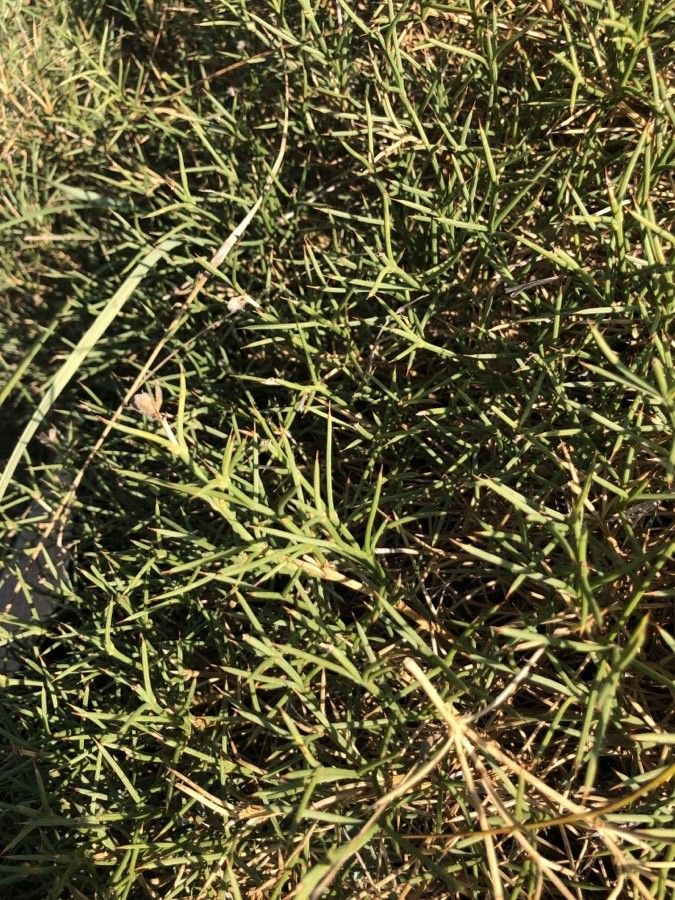
Oh, hello there! Come on in, grab a mug. Today, we’re diving into something truly special: propagating Echinospartum boissieri.
The Little Thorny Gem: Why We Love and Want More Echinospartum boissieri
You know those plants that just have a certain je ne sais quoi? That’s Echinospartum boissieri for me. This little shrub, often called a Spanish broom, is a marvel of resilience with its delicate, silvery foliage and its incredibly cheerful, bright yellow, pea-like flowers. It’s a tough cookie, thriving in sunny, dry conditions, making it a fantastic choice for rock gardens or xeriscaping. And there’s a special kind of joy in coaxing new life from an existing plant, isn’t there? It’s like unlocking a little bit of garden magic. Now, is it a walk in the park for absolute beginners? I’d say it leans a little more towards the “intermediate” side. It’s not notoriously difficult, but it appreciates a bit of attentive care.
When to Get Your Hands Dirty
The sweet spot for propagating Echinospartum boissieri is typically in late spring to early summer. This is when the plant is actively growing, and the new shoots have started to lignify (meaning they’re firming up a bit but aren’t completely woody). This gives your cuttings the best chance to develop strong roots before the heat of summer or the chill of autumn sets in.
Your Propagation Toolkit
Here’s what you’ll want to have on hand:
- Sharp Pruning Shears or a Craft Knife: Clean cuts are essential for preventing disease.
- Rooting Hormone Powder or Gel: This really gives your cuttings a boost. I prefer a powder, but a gel works just as well.
- A Well-Draining Potting Mix: This is crucial! A 50/50 mix of perlite and coco coir or peat moss is ideal. You can also use a commercial seedling or propagation mix.
- Small Pots or a Propagation Tray: Anything that can hold your cuttings and the soil. Make sure they have drainage holes.
- A Spray Bottle: For misting.
- Plastic Bags or a propagator lid: To create a humid environment.
- Gravel or Small Stones (optional): For the bottom of pots if you’re concerned about overwatering.
My Favorite Way to Make New Friends: Stem Cuttings
This is hands-down my most successful method for Echinospartum boissieri.
- Take Your Cuttings: On a nice, mild day, choose healthy, non-flowering stems. Look for shoots that are about 4-6 inches long. Using your clean shears, make a straight cut just below a leaf node (where a leaf meets the stem). This is where the magic happens!
- Prepare the Cuttings: Gently remove the lower leaves from the cutting. You want to expose the stem where you’ll be applying the rooting hormone. Leave just a few leaves at the very top. If the leaves are large, you can even cut them in half to reduce water loss.
- Dip in Rooting Hormone: Dip the cut end of the stem into your rooting hormone powder or gel, making sure to coat the bottom inch or so. Tap off any excess.
- Plant Them Up: Fill your chosen pots or tray with your moistened, well-draining potting mix. Make a small hole in the center of the soil with your finger or a pencil. Gently insert the cutting into the hole, making sure it’s firmly in contact with the soil. You can fit several cuttings into one pot, but give them a little space – about 2-3 inches apart.
- Create a Humid Environment: Water the soil gently. Then, cover the pots with a clear plastic bag or a propagator lid. This traps moisture and creates the humid microclimate that cuttings adore. If you’re using pots without a cover, you’ll want to mist them more frequently.
My “Secret Sauce” for Success
Here are a couple of little tricks I’ve learned over the years:
- Bottom Heat is Your Friend: If you have it, placing your propagation tray on a heat mat designed for plants can make a world of difference. It encourages root development from below, even if the air temperature isn’t perfectly warm.
- Don’t Drown Them: It’s tempting to keep the soil constantly wet, but remember these plants hate soggy feet! The goal is consistently moist, not waterlogged. I like to let the very top of the soil dry out slightly between waterings. It’s a delicate balance, but crucial for preventing rot.
Aftercare: Nurturing Your New Sprouts
Once your cuttings are planted, place them in a bright, indirect light location. Avoid direct sun, as it can scorch those tender new leaves. Mist the cuttings regularly if they’re not in a covered propagator, and check the soil moisture every few days.
You’ll know they’re rooting when you see new leaf growth or feel a gentle resistance when you tug on a cutting (give them a very gentle tug!). This usually takes anywhere from 4 to 8 weeks, sometimes longer.
Troubleshooting: The most common issue, by far, is rot. If you see stems turning black and mushy, it’s usually a sign of too much moisture and not enough air circulation. If this happens, remove the affected cuttings immediately and try to adjust your watering and humidity. Another sign of failure is if the cuttings simply shrivel and dry up, indicating they didn’t get enough moisture or they were exposed to too much direct sun.
Keep Going, Garden Friend!
Propagating plants is an act of hope and a wonderful way to connect with the natural world. Be patient with your Echinospartum boissieri cuttings. Some will take, and some might not, and that’s all part of the learning process. Enjoy the journey, and soon you’ll have a whole new batch of these delightful thorny beauties to share (or keep all to yourself!). Happy propagating!
Resource: