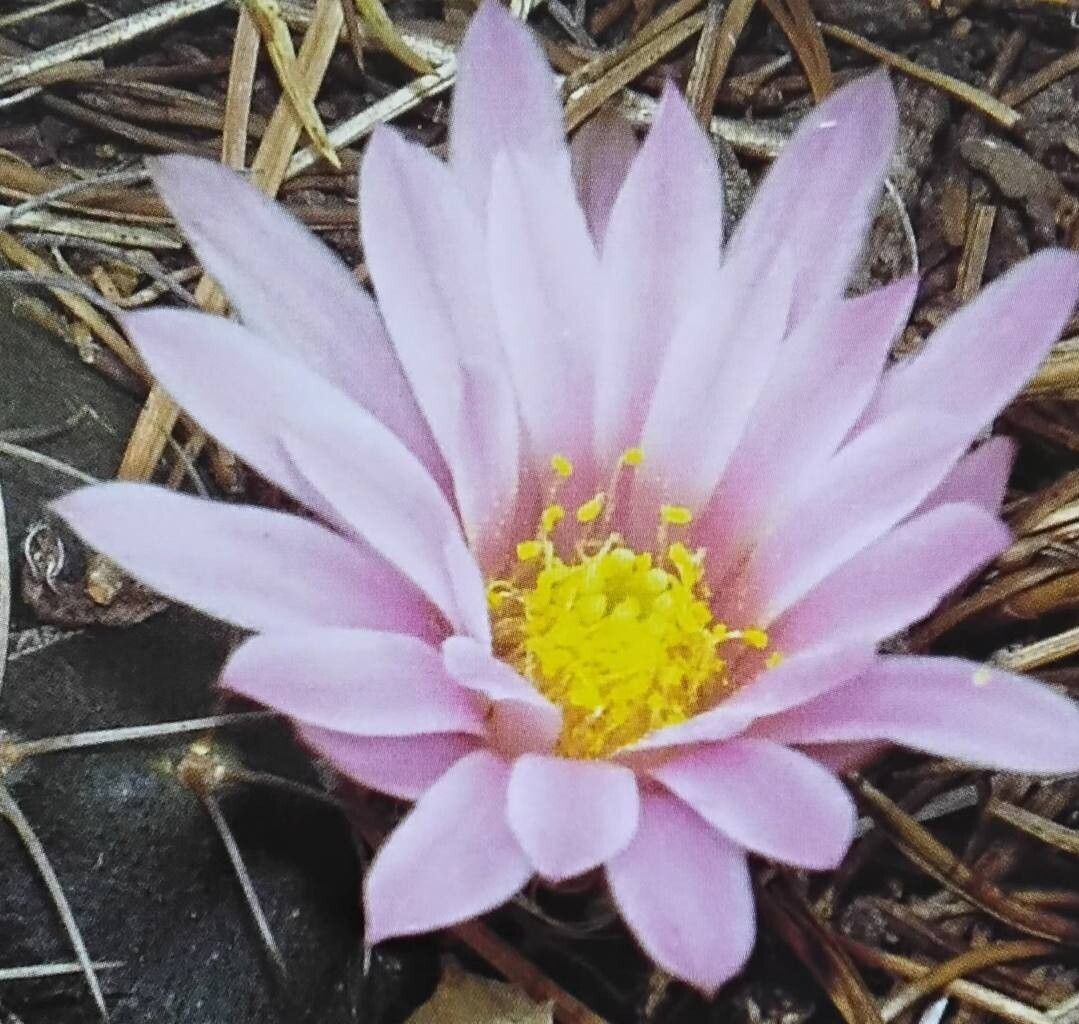
Oh, Echinocereus knippelianus! What a charmer. If you’re new to the world of cacti, you might be wondering if this beauty is a good place to start. Honestly, while it’s not as forgiving as, say, a prickly pear, I find Echinocereus knippelianus to be a wonderfully rewarding plant to propagate once you get the hang of it. Think of it as a delightful challenge that pays off with a whole new little desert garden. Seeing those tiny offsets unfurl and establish themselves is just one of those quiet joys that makes gardening so special.
When to Get Your Hands Dirty
For Echinocereus knippelianus, the spring and early summer are your golden ticket. This is when the plant is actively growing, feeling those warm rays, and has the energy to really put down roots. Trying to propagate in the dead of winter or when it’s stressed from extreme heat is like asking a teen to do algebra on their day off – not likely to go well!
Your Propagation Toolkit
Here’s what you’ll want to have ready before you dive in:
- Sharp, sterile pruning shears or a sharp knife: A clean cut is crucial to prevent disease.
- Well-draining cactus and succulent soil mix: This is non-negotiable! You can buy a pre-made mix or blend your own with potting soil, perlite, and coarse sand (about 1:1:1 ratio).
- Newspaper or paper towels: To let cuttings callus.
- Rooting hormone powder (optional but recommended): This really gives your cuttings a boost. Look for one specifically for succulents or cacti.
- Small pots or containers: Terracotta pots are my favorite because they breathe, helping prevent soggy soil. Make sure they have drainage holes!
- Gravel or small stones: For top dressing.
- A spray bottle: For gentle misting.
- Gloves (optional): If you’re not as accustomed to handling cacti.
Bringing New Life: Propagation Methods
I usually stick to one main method for Echinocereus knippelianus: stem cuttings, which in this case often means propagating offsets.
- Locate the Offsets: Look for those charming little pups that have started to emerge from the base of the parent plant. They’re usually miniature versions of the mamma, already looking quite cute.
- The Gentle Detachment: Using your sterile pruning shears or knife, carefully cut the offset away from the parent plant. Try to get a clean cut right at the point where they connect. If you can get a tiny bit of the parent’s vascular tissue attached to the offset, that’s even better, but don’t stress if you can’t.
- The Crucial Callusing Phase: This is probably the most important step for cactus propagation. Take your detached offset and place it on a clean piece of newspaper or paper towel in a dry, bright spot, out of direct sunlight. You need to let the cut end callus over. This can take anywhere from a few days to a week or two, depending on your humidity. You’ll see a dry, hard scar form. This prevents rot when you plant it. Don’t rush this!
- Planting Time: Once callused, gently dip the callused end into your rooting hormone powder, if you’re using it. Then, fill your small pot with your well-draining cactus mix. Make a small indentation in the center of the soil with your finger or a pencil.
- Patience and Placement: Carefully place the callused end of the offset into the indentation. You don’t need to bury it deeply, just enough so it stands upright on its own. I like to gently firm the soil around it. Don’t water it yet! Place the pot in a bright location with indirect sunlight.
My “Secret Sauce” Tips
Over the years, I’ve learned a few tricks that make a tangible difference:
- Bottom Heat is Your Friend: If you have a seedling heat mat, placing your pots on it can significantly speed up root development. It mimics the warmth of spring days and encourages those roots to stretch out. Just make sure it’s not too hot – lukewarm is perfect.
- Don’t Overwater, Ever: This is the cardinal rule for all succulents and cacti. Wait until you see signs of new growth or the plant looks like it’s starting to firm up before giving it its first light watering. Until then, a very, very light misting on the soil surface every week or two is all they need. The callused stem has enough stored energy to survive for a while.
Watering Worries and What to Watch For
Once you’ve planted your offset, the waiting game begins. When you do water for the first time, water gently just enough to moisten the soil. Don’t drench it. You can then slowly increase watering frequency as you see signs of life.
The most common pitfall is rot. If your offset starts to feel mushy, turns brown or black at the base, or just looks universally sickly, it’s likely succumbing to rot from too much moisture or a poor-quality soil mix. If this happens, sadly, it’s often best to discard it to prevent spreading any potential issues to healthy plants. But don’t get discouraged! Rot is a gardener’s rite of passage. The good news? With Echinocereus knippelianus, you can usually take multiple offsets, so one failure doesn’t mean the end of your propagation dreams.
Keep Nurturing, Keep Growing!
Propagating Echinocereus knippelianus is a journey. It requires a touch of patience, a keen eye, and a willingness to learn. Don’t be too hard on yourself if your first attempt isn’t a roaring success. Every new offset you manage to root is a testament to your growing skills and a beautiful little reminder of the magic of new life. Enjoy the process, and soon you’ll have a delightful collection of these charming cacti!
Resource:
https://identify.plantnet.org/k-world-flora/species/Echinocereus%20knippelianus%20Liebner/data