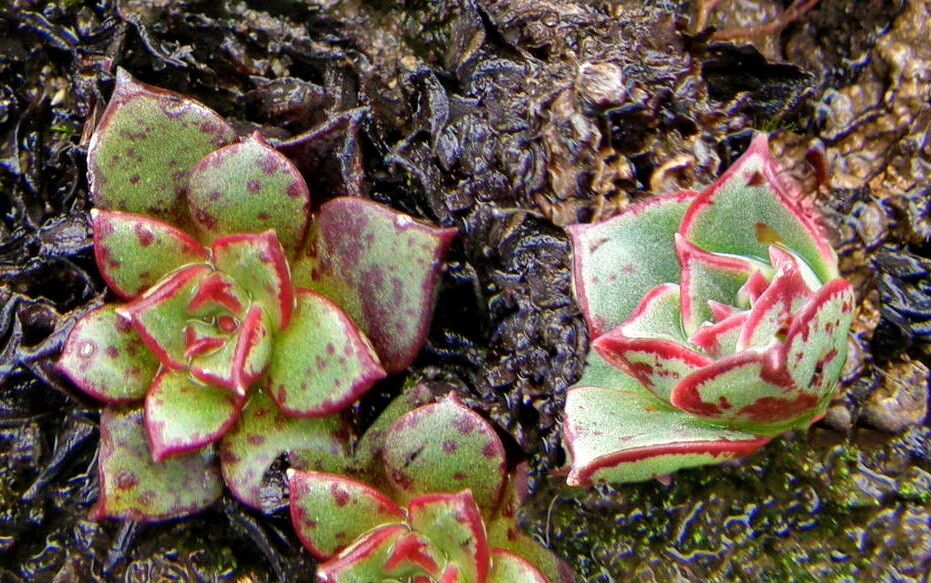
Hey there, fellow plant lovers! Have you ever admired those gorgeous rosette-shaped succulents, with their plump leaves and stunning colors, and thought, “I wish I had more of those”? Well, you’re in luck! Today, we’re diving into the wonderful world of propagating Echeveria longissima.
Why You’ll Love Propagating Echeveria Longissima
Echeveria longissima is a real beauty. Its long, slender leaves form perfectly sculpted rosettes that can range from soft greens to dusty blues and even a hint of pink at the tips. They’re like little jewels for your windowsill. The best part? These plants are surprisingly easy to multiply. If you can grow an Echeveria, you can definitely propagate one. It’s incredibly rewarding to watch a tiny leaf turn into a brand-new plant, and of course, it means more beautiful succulents to share with friends (or keep all to yourself – no judgment here!). For beginners, this is a fantastic starter succulent to propagate.
When’s the Best Time to Get Started?
The sweet spot for propagating Echeverias is definitely spring and early summer. This is when the plant is actively growing and has the most energy. You’ll find that your cuttings and leaves root much faster and with higher success rates during these warmer months. Think of it as giving your new plant babies the best possible start in life!
Your Propagation Toolkit: What You’ll Need
Gathering your supplies beforehand makes the process so much smoother. Here’s what I usually have on hand:
- Sharp, clean pruning shears or a sharp knife: This is crucial for clean cuts.
- Potting mix specifically for succulents and cacti: This gritty, well-draining mix is non-negotiable for preventing rot. You can buy it pre-mixed or make your own with potting soil, perlite, and coarse sand.
- Small pots or trays: Terracotta pots are great because they breathe.
- Rooting hormone (optional but helpful): A little dip in this can speed things up.
- Spray bottle: For misting.
- A clean, dry surface: Like a baking sheet or newspaper to let cuttings callous over.
Let’s Get Propagating! Your Step-by-Step Guide
Echeveria longissima is forgiving and offers a couple of excellent ways to grow more plants.
Method 1: Stem Cuttings – The Quickest Route
This is my go-to method when I want new plants relatively quickly.
- Find a healthy stem: Look for a mature Echeveria longissima that has started to etiolate slightly (grow taller) and develop a stem.
- Make the cut: Using your sharp, clean shears, cut off a section of the stem that has at least 2-3 leaves attached. Aim for a piece that’s a few inches long.
- Callous it over: This is a vitally important step to prevent rot. Place the cut stem on a clean, dry surface in a bright, indirect light spot for 2-3 days. You’ll see the cut end dry and form a protective scab.
- Plant it up: Once calloused, you can either stick the calloused end directly into your succulent soil, or, if you’re using rooting hormone, dip the cut end into it first and then plant.
- Water cautiously: Don’t water immediately. Wait a few days after planting, then give it a light watering. You’re aiming for slightly moist soil, not soggy.
Method 2: Leaf Cuttings – The Patient Gardener’s Reward
This method takes a bit longer, but oh, the joy when those tiny rosettes appear from a single leaf!
- Select healthy leaves: Gently twist or cut off healthy, plump leaves from the mother plant. Try to get the entire leaf, including where it connects to the stem. Avoid any leaves that look damaged or mushy.
- Let them callous: Just like with stem cuttings, you need to let the leaf ends dry out. Place them on a clean, dry surface in bright, indirect light for 2-4 days.
- Lay them on soil: Once calloused, simply lay the leaves on top of your succulent potting mix. Don’t bury them! Make sure the calloused end is touching the soil surface.
- Mist lightly: Now, this is where patience really comes in. Lightly mist the soil with your spray bottle every few days. You want the soil to be just barely moist. You’ll start to see tiny roots or a new baby plant emerge from the calloused end. This can take weeks, sometimes months!
- Wait for roots: Don’t water the new baby plant directly until it has developed a decent root system and you can see it’s growing well.
The “Secret Sauce”: My Insider Tips
Here are a couple of things I’ve learned over the years that really make a difference:
- No soggy bottoms for leaves! When propagating leaves, never let the leaf itself touch the water if you choose to try water propagation (though I generally prefer soil for Echeveria). It’s a one-way ticket to rot. The roots should grow down towards the water, not sit in it. I usually just let the calloused end hover just above the water surface.
- Bottom heat is a game-changer: If you’re struggling with rooting, especially in cooler weather, consider using a seedling heat mat under your propagation trays. It provides consistent warmth that encourages roots to form much faster. Just make sure the soil doesn’t dry out too quickly on a heat mat.
Aftercare and When Things Go Wrong
Once your cuttings have developed a good root system (you’ll see new growth or feel some resistance when you gently tug), it’s time for normal succulent care. Keep them in bright, indirect light and water as you would a mature Echeveria – only when the soil is completely dry. Let the soil dry out between waterings to prevent root rot.
What if things go wrong? The most common culprit is rot. If you see mushy leaves or a black, soft stem, it’s usually a sign of too much moisture. Sadly, often the affected part can’t be saved, but you might be able to salvage a healthy portion if you act quickly. Discard any rotted material and ensure the remaining plant is in well-draining soil in a bright spot. Patience is key, and sometimes, nature just decides it’s not the right time. Don’t get discouraged!
Keep Growing, Keep Enjoying!
Propagating Echeveria longissima is a truly rewarding gardening adventure. Watch those tiny roots sprout and new rosettes unfurl – it’s pure magic! Be patient with the process, especially with leaf cuttings, and remember that every gardener has lost a cutting or two. The most important thing is to enjoy the journey and celebrate every little success. Happy propagating!
Resource:
https://identify.plantnet.org/k-world-flora/species/Echeveria%20longissima%20E.Walther/data