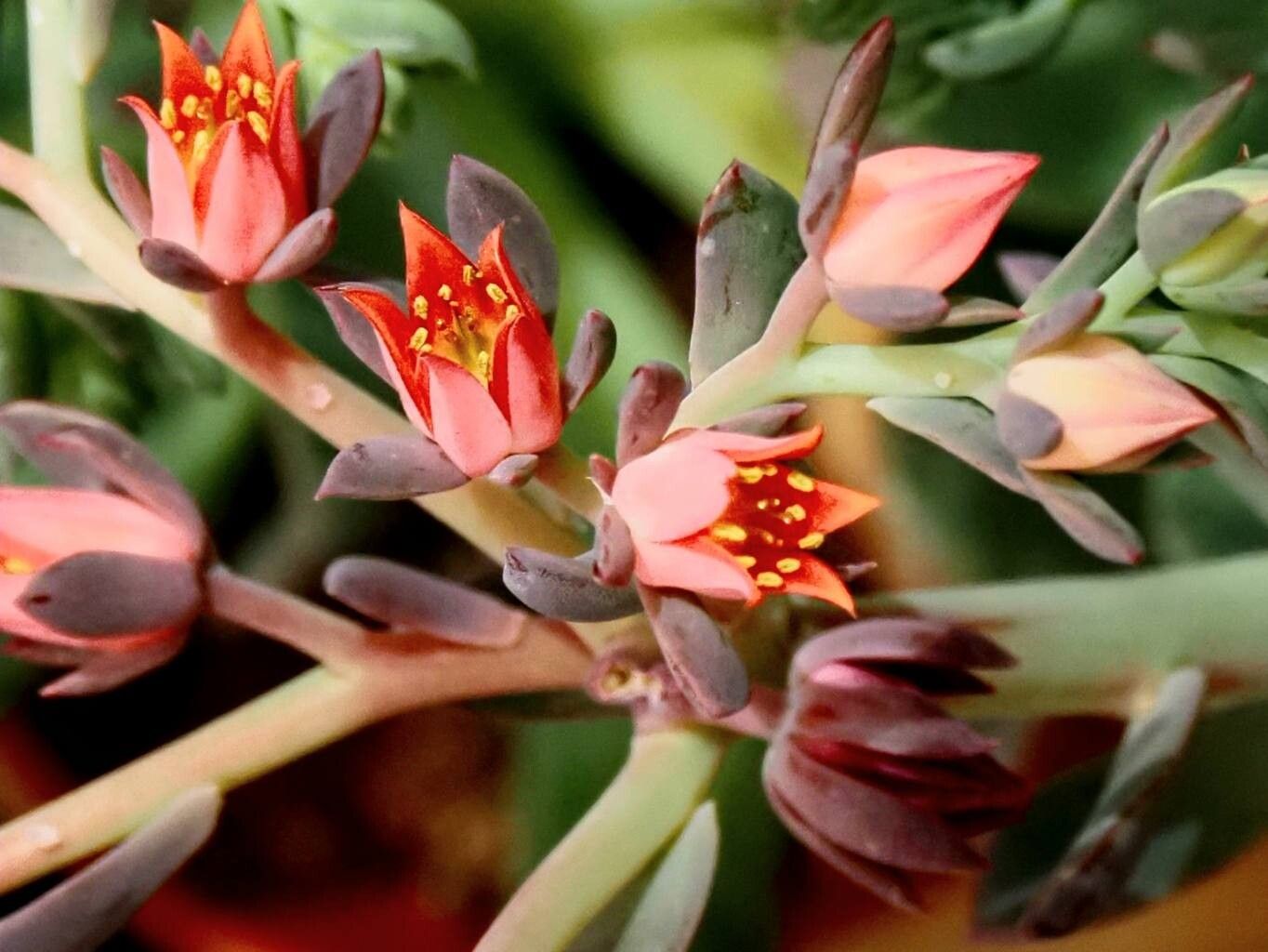
Oh, Echeveria gigantea! If you’ve ever seen one of these beauties, you know exactly why they just have to come home with you. They’re like nature’s sculpted roses, with those plump, silvery-blue leaves forming perfect rosettes. They add such a touch of elegance to any sunny spot, whether it’s in a pot on your patio or gracing a windowsill. And the best part? Learning to propagate them is incredibly rewarding. It’s like magic, watching a tiny part of your favorite plant grow into a whole new specimen. For beginners, Echeveria gigantea is a fantastic plant to start with. They’re pretty forgiving, and the satisfaction you get from succeeding is truly priceless.
The Best Time to Start
My favorite time to get propagating is definitely spring or early summer. This is when Echeverias are actively growing and have plenty of energy. The longer daylight hours and warmer temperatures really give those little cuttings a kickstart. You can also propagate in late summer, but you want to give them enough time to establish before the cooler weather rolls in.
Supplies You’ll Need
Before we dive in, let’s gather your gardening arsenal. You won’t need much, but having the right things will make the process so much smoother.
- Well-draining soil mix: A good cactus and succulent mix is perfect. I usually add a little extra perlite or pumice to ensure excellent drainage.
- Clean, sharp pruning shears or a sharp knife: For making clean cuts.
- Rooting hormone (optional but helpful): This isn’t strictly necessary for Echeverias, but it can speed things up.
- A small pot or propagation tray: Whatever you have on hand will work, as long as it has drainage holes.
- A spray bottle: For gently misting.
- Tissues or paper towels: For drying off cuttings.
- A warm, bright location: Away from harsh, direct sun at first.
Propagation Methods
Echeveria gigantea is a star player when it comes to propagating, and you’ve got a couple of winning methods at your disposal.
Stem Cuttings: My Go-To
This is my absolute favorite way to multiply my Echeverias. It’s straightforward and usually yields great results.
- Take the cutting: Using your clean shears, locate a healthy stem on your mature Echeveria gigantea. Cut it just below a rosette, making sure your cut is clean. You want a piece that’s at least a couple of inches long.
- Remove lower leaves: Gently pull off the bottom leaves from the stem. You can set these aside too; sometimes they’ll sprout babies!
- Callusing time: This is crucial! Lay your cuttings on a dry surface (like a paper towel in a safe spot) for 2-5 days. You want the cut end to dry out and form a callus. This prevents rot when you plant it.
- Planting: Once callused, you can gently insert the callused end into your well-draining soil mix. You don’t need to bury it too deep, just enough so it stands up on its own.
- Water sparingly: Wait about a week after planting before giving it its first light watering. You want the soil to dry out completely between waterings.
Leaf Cuttings: A Little More Patience
This method is incredibly satisfying, but it can take longer.
- Select healthy leaves: Choose plump, healthy leaves from the lower part of the rosette.
- Remove the leaf carefully: Gently twist and pull the leaf away from the stem. The key is to get the entire base of the leaf, where it attaches to the stem. If you tear it, it likely won’t propagate.
- Callusing: Just like with stem cuttings, you need to let these leaves callus for a day or two on a dry surface.
- Place on soil: Lay the callused leaves on top of your well-draining soil mix. You don’t need to bury them.
- Mist lightly: Give them a very gentle mist of water every few days, but only when the soil surface is dry. You don’t want the leaves sitting in moisture.
The “Secret Sauce” (Pro Tips)
Here are a couple of little tricks I’ve learned over the years that can make a big difference.
- Don’t let the leaves or cuttings touch the water directly. If you’re trying leaf propagation, or if your stem cuttings have leaves close to the soil line, be mindful. If you see a leaf getting mushy or discolored, gently remove it. For stem cuttings, I often trim off the lowest leaves so they don’t risk rotting when watered.
- Bottom heat can be a game-changer. If you have a heating mat designed for seedlings, placing your propagation tray on it can significantly speed up root development. Just make sure the soil doesn’t dry out too quickly with the added warmth.
Aftercare & Troubleshooting
Once you see tiny roots appearing (you might see them poking out of the drainage holes, or the cutting will feel a bit more secure), your little Echeveria is on its way!
Continue to water sparingly, allowing the soil to dry out completely between waterings. Once the rosette looks nicely plump and the roots are well-established, you can transplant it into its own small pot. Gradually introduce it to more sunlight.
The most common issue you’ll face is rot. This usually happens from overwatering or not allowing cuttings to callus properly. If you see a leaf turning mushy and black, or a stem cutting looking wilted and dark at the base, it’s likely rot. There’s not much you can do once rot sets in, unfortunately. Your best bet is to cut away any affected parts with a clean knife and try again, paying extra attention to callusing and watering.
A Encouraging Closing
Don’t get discouraged if your first attempt isn’t perfect. Gardening is all about learning and experimenting! Be patient, keep an eye on your little plant babies, and enjoy the process of watching something new grow. The joy of seeing those tiny roots emerge and a new rosette unfurl is truly a gift. Happy propagating!
Resource:
https://identify.plantnet.org/k-world-flora/species/Echeveria%20gigantea%20Rose%20&%20Purpus/data