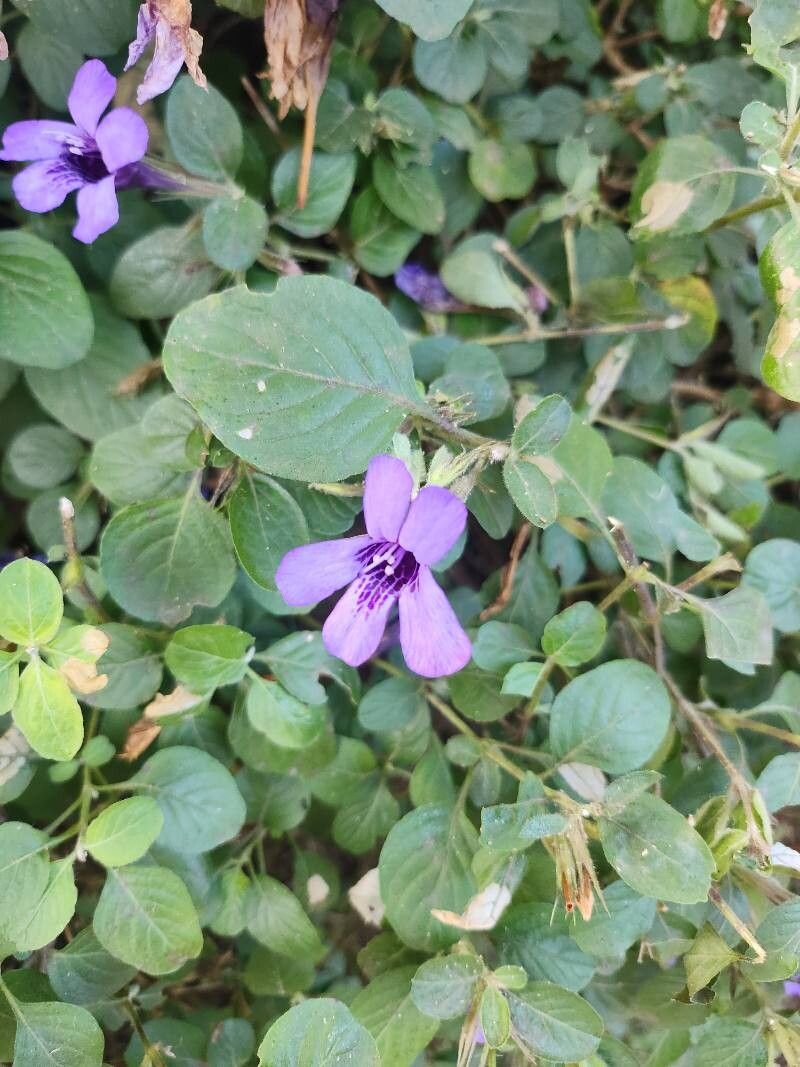
Hello there, fellow garden enthusiasts! Today, we’re diving into the wonderful world of propagating one of my absolute favorites: Dyschoriste thunbergiiflora. You might know it by its common name, the Yellow Bell Flower, and for good reason! Its cheerful, trumpet-shaped blooms bring so much sunshine to any garden bed or container. Learning to propagate this beauty isn’t just about getting more plants; it’s about the sheer joy of making life, of nurturing tiny new beginnings from a parent I already adore. Honestly, I find Dyschoriste to be quite forgiving, making it a delightful project even if you’re just starting your propagation journey.
The Best Time to Start
For the highest success rate with Dyschoriste thunbergiiflora, I always reach for my pruners in the late spring or early summer. This is when the plant is actively growing and full of vigor. You’ll want to take cuttings from healthy, non-flowering stems. Think of it like this: the plant is bursting with energy, and that energy is precisely what we need for those cuttings to root and thrive.
Supplies You’ll Need
Before we get our hands dirty, let’s gather our tools:
- Sharp Pruning Shears or a Clean Knife: Essential for making clean cuts to avoid damaging the stems.
- Small Pots or Trays with Drainage Holes: About 4-inch pots are usually a good size.
- Well-Draining Potting Mix: A good blend is one part perlite or coarse sand to two parts peat moss or coco coir. You can also use a good quality seed-starting mix.
- Rooting Hormone (Optional but Recommended): A good rooting powder or gel can significantly speed up the process and improve your success rate.
- Plastic Bags or a Clear Plastic Dome/Cloche: To create a humid environment over your cuttings.
- Watering Can with a Fine Rose or a Spray Bottle: For gentle watering.
- Labels and a Marker: So you don’t forget what you’ve planted where!
Propagation Methods: Stem Cuttings
This is my go-to method for Dyschoriste thunbergiiflora, and it’s incredibly effective.
- Select Your Cuttings: Look for healthy, semi-hardwood stems. These are stems that are not brand new and green, but also not old and woody. They should be flexible enough to bend without snapping. Aim for cuttings that are about 4-6 inches long.
- Make the Cut: Using your clean shears or knife, make a clean cut just below a leaf node. A leaf node is where a leaf attaches to the stem; this is where the magic of root development often happens.
- Prepare the Cuttings: Remove the lower leaves from the cutting, leaving just the top two or three sets of leaves. If the remaining leaves are very large, you can cut them in half horizontally to reduce water loss through transpiration.
- Apply Rooting Hormone (If Using): Dip the cut end of the stem into your rooting hormone, tapping off any excess.
- Plant Your Cuttings: Fill your pots with the prepared potting mix and moisten it thoroughly. Make small holes in the soil with a pencil or your finger. Insert the cuttings into the holes, ensuring the leaf nodes are buried. Gently firm the soil around the base of each cutting.
- Create a Humid Environment: Water the cuttings gently one more time. Then, place the pots inside a plastic bag, tying it loosely, or cover them with a clear plastic dome. Make sure the foliage doesn’t touch the plastic if possible.
The “Secret Sauce” (Pro Tips)
After years of dabbling in propagation, I’ve picked up a few tricks that seem to make a real difference.
- Bottom Heat is Your Friend: If you have a propagation mat or can place your pots on a sunny windowsill that gets warm from below, bottom heat can significantly encourage root development. It mimics the soil warmth of springtime.
- Don’t Overwater: This is crucial! Keep the soil consistently moist but not waterlogged. Soggy conditions are a sure way to invite rot, which is the enemy of any new cutting. I often check by feeling the weight of the pot; a light pot needs a drink.
- The “Hardening Off” Transition: When you start to see new leaf growth, it’s a good sign! But don’t rip off the plastic cover immediately. Gradually acclimate your new plants to drier air by opening the bag or dome for increasing periods over a week or two. This prevents shock.
Aftercare & Troubleshooting
Once your Dyschoriste cuttings have successfully rooted, you’ll notice new growth. You can gently tug on a cutting; if there’s resistance, roots are forming!
- Transplanting: Once the rooted cuttings have a good root system – typically after 4-6 weeks, or when they start to look established – you can transplant them into slightly larger individual pots with your regular potting mix.
- Watering: Continue to water them regularly, allowing the top inch of soil to dry out between waterings.
- Light: Place them in bright, indirect light.
- Troubleshooting: The most common issue you might face is rot. If you see your cuttings turning black and mushy, it’s usually a sign of too much moisture and not enough air circulation. Discard any rotten cuttings and ensure your remaining ones have good drainage and are not constantly sitting in damp soil. If your cuttings show no signs of life after several weeks, don’t despair! Sometimes they just take their time.
So there you have it! Propagating Dyschoriste thunbergiiflora is a rewarding journey that brings more of that delightful yellow bell into your gardening life. Be patient, enjoy the process, and celebrate each tiny bit of new growth. Happy gardening!
Resource: