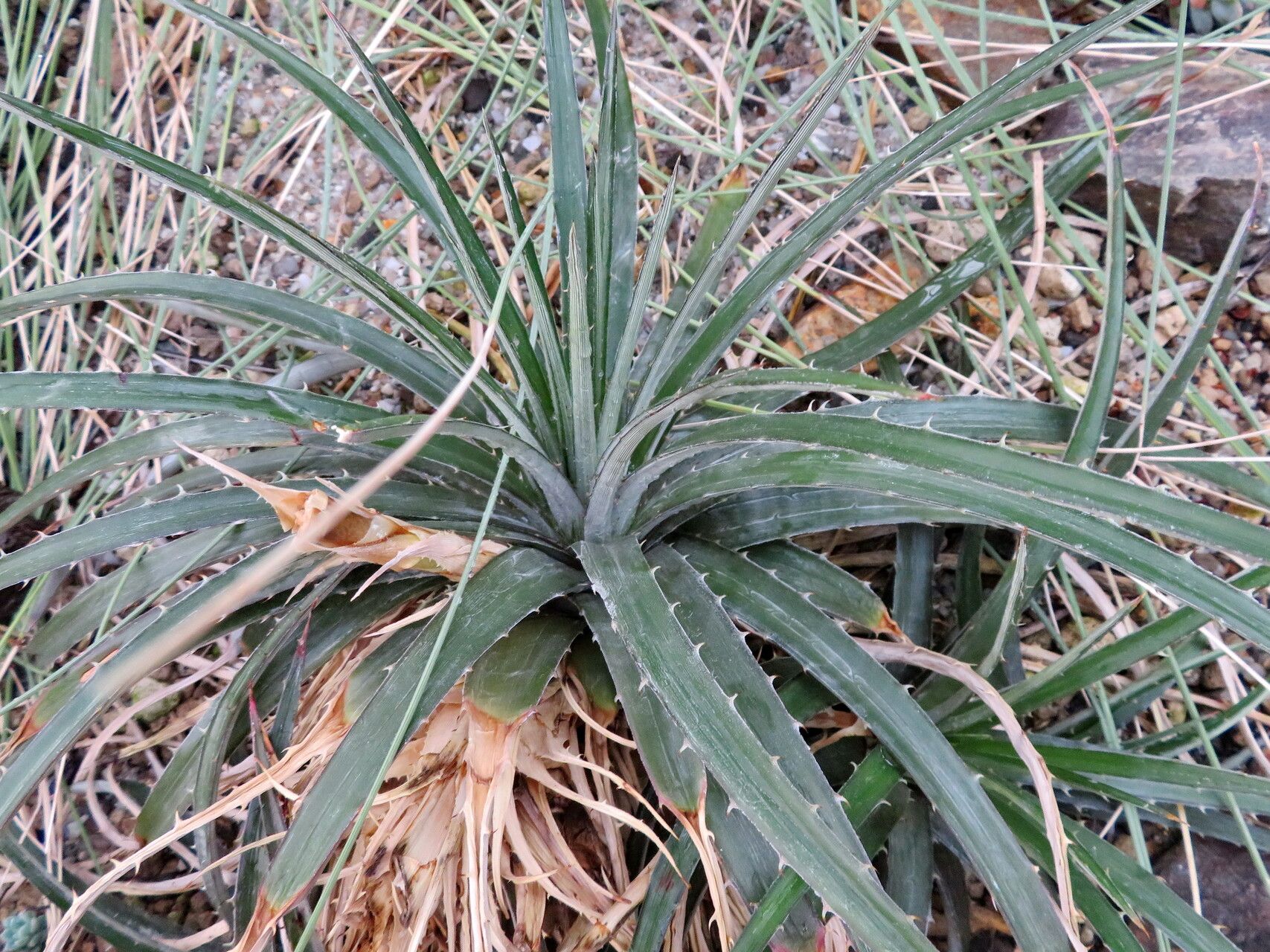
Alright, grab a mug of your favorite brew, because we’re diving into the wonderful world of Dyckia rariflora propagation! These spiky beauties, with their intricate rosettes and often striking colors, are such a joy to have in the garden or on a sunny windowsill. If you’ve ever admired a particularly clumpy Dyckia and thought, “Wow, I wish I had more of those!”, then you’re in for a treat. Propagating them is incredibly rewarding, and while they have a bit of a reputation, I promise, with a few pointers, you’ll be well on your way to success. For absolute beginners, they might be a tiny bit challenging, but don’t let that deter you – think of it as a fun learning curve!
The Best Time to Start
The absolute best time to get your hands dirty with Dyckia rariflora propagation is during their active growing season. For most of us, that means spring and summer. When the days are longer and warmer, the plant has more energy to put into producing pups and developing roots. You’ll also have more success if you’re taking offsets (which we’ll get to!) from a mature, healthy plant that’s actively growing, rather than one that’s looking a bit stressed.
Supplies You’ll Need
Here’s what you’ll want to have on hand before you begin:
- Sharp, clean pruning shears or a small knife: Sterilize them with rubbing alcohol between cuts to prevent disease.
- Well-draining potting mix: A succulent or cactus mix is ideal. You can also make your own by combining equal parts potting soil, perlite, and coarse sand.
- Small pots or containers: Terra cotta pots are great because they breathe well and help prevent overwatering.
- Rooting hormone (optional but recommended): This can give your cuttings a helpful boost.
- Gloves: Those spines are no joke!
- A spray bottle for misting: For keeping things lightly moist.
- Optional: Heating mat: This can speed up root development, especially if your propagation area is on the cooler side.
Propagation Methods
The most common and successful way to propagate Dyckia rariflora is through division of pups. These plants produce offsets, often called “pups,” around the base of the mother plant.
- Identify the Pups: Look for smaller plants growing right alongside the main Dyckia. They’ll usually have their own miniature rosette of leaves.
- Gently Excavate: If the pups are tightly clustered, you might need to carefully brush away some soil from the base of the mother plant to get a clear view.
- Make the Cut: Using your sterilized pruning shears or knife, carefully sever the pup from the mother plant. Try to get a little bit of the pup’s base where it connects to the mother, as this is where roots will emerge. Don’t be afraid to get in there; just be precise.
- Let it Callous: This is a crucial step! Do not plant the pup immediately. Place the separated pup in a dry, well-ventilated spot for a few days to a week, or even longer. This allows the cut end to dry out and form a callous. This significantly reduces the risk of rot.
- Potting Up: Once the cut end has calloused over, prepare your pot with the well-draining mix. You can lightly dip the calloused end into rooting hormone if you’re using it. Then, plant the pup about halfway into the soil, making sure it’s stable.
- Initial Watering: Water sparingly at first. You want the soil to be barely moist. A light misting every few days is often enough.
The “Secret Sauce” (Pro Tips)
Here are a few things I’ve learned over the years that can really make a difference:
- Patience is Your Best Friend: Dyckias are not the fastest growers when it comes to rooting. Don’t panic if you don’t see new growth immediately. I often wait at least 4-6 weeks before I even gently tug on a pup to check for resistance, indicating roots.
- Bottom Heat is a Game Changer: If you have a heating mat, use it! Placing the potted pups on a gentle heating mat (set to around 70-75°F or 21-24°C) will encourage root development from underneath, and it makes a noticeable difference in how quickly they establish.
- Don’t Drown Your Dreams (or Your Pups): Overwatering is the cardinal sin of Dyckia propagation. Their succulent nature means they store water well. It’s always better to err on the side of too dry than too wet. Once they’ve established, you can water them like a mature plant, but during the rooting phase, be very conservative. Let the soil dry out between waterings.
Aftercare & Troubleshooting
Once you start to see signs of new growth – tiny new leaves emerging or the pup looking firm and robust – you’re in business! Continue to water sparingly, only when the soil has dried out. Gradually introduce it to more sunlight, but avoid direct, harsh midday sun initially.
The most common sign of failure is rot. If your pup starts to look mushy, discolored (often yellowish or brown and soft), or just generally collapses, it’s likely succumbed to rot. This is almost always due to too much moisture. If you catch it early, you might be able to cut away the rotted tissue and try again, letting the healthy part callous thoroughly.
A Little Patience Goes a Long Way
Propagating Dyckia rariflora is a beautiful way to replicate these architectural wonders. It takes a bit of practice, a keen eye, and a whole lot of patience. But when you see that tiny pup unfurl its first new leaves, you’ll feel an incredible sense of accomplishment. So go ahead, give it a try! Enjoy the process, and before you know it, you’ll have a whole new collection of these spiky gems. Happy growing!
Resource: