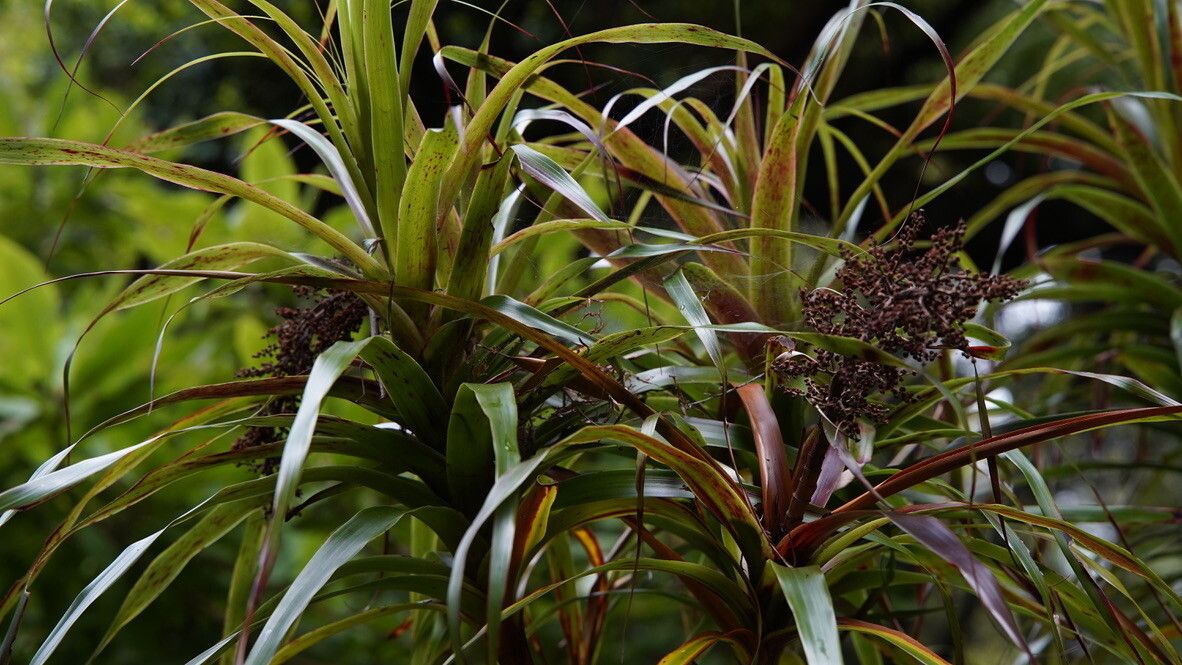
Oh, hello there! Pull up a chair and let’s chat about Dracophyllum traversii. If you’re looking for a plant that brings a touch of wild elegance to your garden with its unique foliage and, with a bit of luck, striking blooms, then you’re in for a treat. These beauties, often called “mountain neinei” in their native New Zealand, have a certain rugged charm that I just adore. Propagating them might sound a little daunting, but really, it’s a wonderfully rewarding way to multiply these treasures. For beginners, I’d say it requires a bit of patience, but it’s certainly achievable with a few key things in mind.
The Best Time to Start
When it comes to getting new Dracophyllum traversii plants going, I find that spring is your absolute best friend. Think of it as giving your cuttings a head start with lengthening days and warming temperatures. The plant is waking up from its winter slumber and gearing up for active growth, which means it’s more inclined to root readily. Late spring, after the risk of frost has passed, is often the sweet spot.
Supplies You’ll Need
Gathering your tools beforehand makes the whole process smooth sailing. Here’s what I always have on hand:
- Sharp, clean pruning shears or secateurs: Essential for making clean cuts.
- Rooting hormone: A powder or gel to give those cuttings a little boost.
- A well-draining potting mix: I like a blend of perlite, peat moss, and a little bit of coarse sand. You want good aeration!
- Small pots or propagation trays: Clean ones, of course.
- A plastic bag or propagation dome: To create a humid environment.
- Watering can with a fine rose: To water gently.
- Gravel or small stones: For drainage in pots.
- A sharp knife or razor blade: For preparing cuttings.
Propagation Methods
While you can sometimes find success with other methods, I find stem cuttings to be the most reliable way to go for Dracophyllum traversii.
Stem Cuttings (The Tried and True)
- Select Your Parent Plant: Choose a healthy, vigorous Dracophyllum traversii. Look for stems that are not too woody but also not too soft and new. A good stem will have a bit of flexibility.
- Take Your Cuttings: Using your sharp, clean secateurs, take cuttings that are about 10-15 cm (4-6 inches) long. Look for stems that have started to harden off a bit – these are often called “semi-hardwood” cuttings. Make your cut just below a leaf node (where a leaf attaches to the stem). This is where the magic happens for rooting.
- Prepare the Cuttings: Gently remove the lower leaves from the cutting. You want to expose at least two leaf nodes. If the cutting has any flowers or flower buds, I’d pinch those off. They take energy away from root development.
- Apply Rooting Hormone: Dip the cut end of the stem into your rooting hormone, making sure to coat the lower 2-3 cm (1 inch). Tap off any excess.
- Plant Your Cuttings: Fill your pots or trays with your well-draining potting mix. Make a small hole with a pencil or your finger, and insert the prepared cutting, ensuring at least one or two leaf nodes are buried in the soil. Gently firm the soil around the base of the cutting.
- Create Humidity: Water the soil gently until it’s moist but not waterlogged. Then, cover the pot or tray with a clear plastic bag, using stakes to keep the plastic from touching the leaves. Alternatively, place the pots inside a propagation dome.
- Find a Suitable Spot: Place the pots in a bright location with indirect light. Avoid direct sun, which can scorch the cuttings and overheat them under the plastic.
The “Secret Sauce” (Pro Tips)
Now, for those little tricks that make a world of difference:
- Bottom Heat is Your Friend: If you can, providing gentle bottom heat will significantly speed up the rooting process. A heated propagation mat, set to a low temperature (around 20-24°C or 68-75°F), encourages root development from below. I’ve found this to be a game-changer for fussier plants.
- Don’t Let Leaves Touch the Water (If You Were to Try Water Propagation): While I usually recommend cuttings in soil, if you’re tempted to try water, the key is to ensure no leaves are submerged. Leaves sitting in water will rot and can invite disease before roots even have a chance to form. Just the bare stem node should be in the water.
- A Light Mist is Better Than a Drenching: When you are watering your cuttings, especially before they’ve rooted, a light misting with a spray bottle can be enough to keep humidity high and the soil surface slightly moist without waterlogging. Overwatering is the quickest way to a failed propagation.
Aftercare & Troubleshooting
Once you see new leaf growth appearing on your cuttings, that’s a fantastic sign they’re starting to root!
- Gradually Acclimate: Slowly remove the plastic bag or opening the vents on your dome over a week or two. This toughens up the new plant. I usually start by removing it for a few hours each day.
- Watering: Continue to keep the soil consistently moist but not soggy. As the plant grows stronger, you can transition to a regular watering schedule, allowing the top inch of soil to dry out between waterings.
- Potting Up: Once the new plant has a good root system (you might see roots emerging from the drainage holes), it’s time to pot it up into a slightly larger container with fresh potting mix.
- Troubleshooting – The Dreaded Rot: The most common enemy is rot. If your cutting turns black and mushy at the base, or if the leaves start to wilt and turn yellow without any apparent reason, rot is likely the culprit. This is usually a sign of too much moisture and not enough air circulation. If you catch it early, you might be able to salvage a bit of the stem if it’s still firm above the rotted section, but often it’s best to start again.
Happy Propagating!
Propagating your own Dracophyllum traversii is such a satisfying journey. Don’t be discouraged if your first few attempts aren’t perfect. Every gardener has their casualties! The key is to observe, learn, and most importantly, enjoy the process of nurturing new life. Be patient, give them the right conditions, and soon you’ll have more of these wonderful plants to admire and share. Happy gardening!
Resource:
https://identify.plantnet.org/k-world-flora/species/Dracophyllum%20traversii%20Hook.f./data