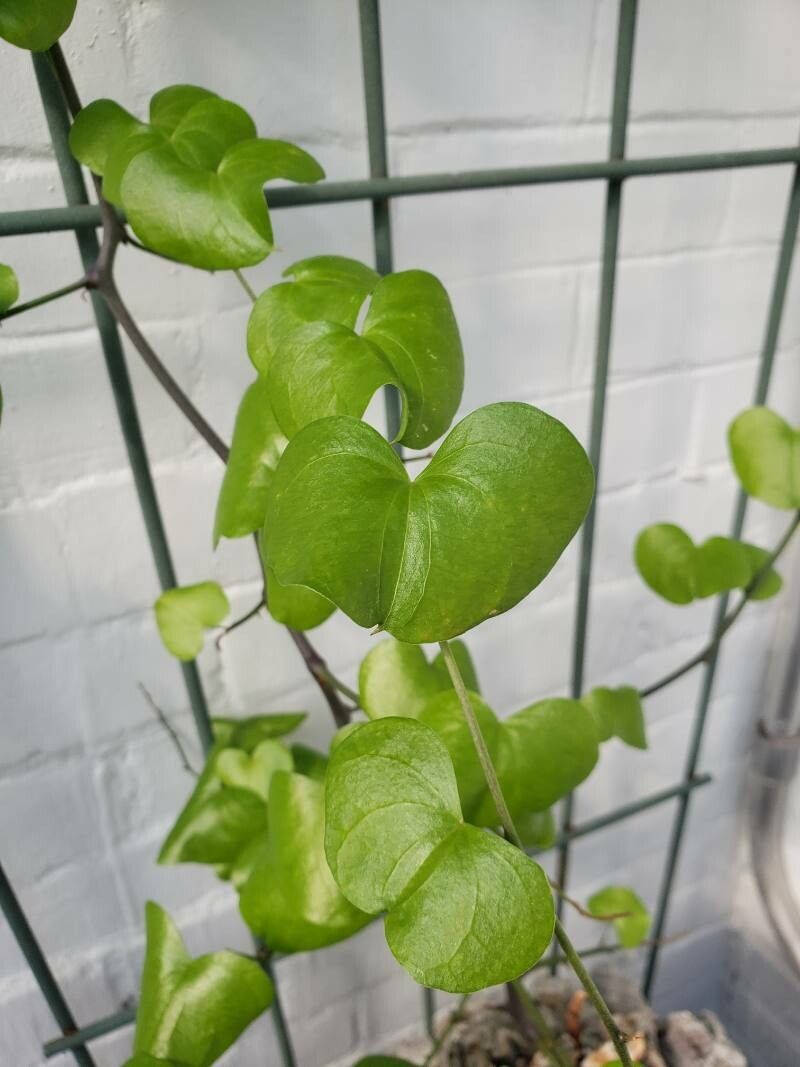
Hey there, fellow plant lovers!
Have you ever seen Dioscorea elephantipes, also known as the Elephant’s Foot, and just stopped in your tracks? That wonderfully weird, aged-looking caudex is just captivating. It looks like a miniature ancient tortoise, sitting there, slowly growing. I’ve been growing these beauties for two decades, and there’s something incredibly satisfying about coaxing a new life into existence from just a piece of the parent plant. If you’re a beginner, I’ll be honest, Dioscorea elephantipes can be a bit of a challenge. It’s not as straightforward as sticking a begonia cutting in water, but with a little patience and attention, you can absolutely succeed. And when you do? Oh, the joy!
The Best Time to Start
For Dioscorea elephantipes, the absolute sweet spot for propagation is during its active growing season. This typically means late spring through summer. You want to see new shoots and healthy, green leaves. Trying to take cuttings from a dormant plant is like asking someone to run a marathon after a long nap – they’re just not ready. So, keep an eye on your plant and look for that vibrant, upward growth.
Supplies You’ll Need
Gathering your tools beforehand makes the whole process much smoother. Here’s what I usually have on hand:
- Sharp, clean pruning shears or a sharp knife: For making clean cuts. Sterilize them with rubbing alcohol before you start.
- Well-draining potting mix: A good blend for succulents and cacti works wonderfully. I often mix my own with equal parts perlite, coarse sand, and coco coir or peat moss. You really don’t want waterlogged soil.
- Rooting hormone (optional but helpful): Look for a powder specifically designed for propagating cuttings.
- Small pots or trays: Clean, with drainage holes, of course.
- Spray bottle filled with water: For gentle misting.
- A sunny, bright spot: But out of direct, scorching afternoon sun, especially initially.
- Patience! It’s your most important tool.
Propagation Methods
The most reliable way I’ve found to propagate Dioscorea elephantipes is through stem cuttings. While you can sometimes get lucky with seeds, cuttings are often quicker and give you a better chance of success, especially when you’re starting out.
Stem Cuttings:
- Identify a healthy stem: Look for a mature, woody stem that has at least two sets of leaves. Make sure it’s not too thin or spindly.
- Make the cut: Using your sterilized shears or knife, make a clean cut just below a leaf node. A leaf node is where a leaf attaches to the stem. This is where new roots are most likely to form. Aim for a cutting that’s about 4-6 inches long.
- Prepare the cutting: Gently remove the lowest set of leaves. If the remaining leaves are very large, you can also cut them in half horizontally to reduce water loss through transpiration.
- Apply rooting hormone (optional): If you’re using rooting hormone, dip the cut end of the stem into the powder, tapping off any excess.
- Plant the cutting: Fill your small pot or tray with your well-draining soil mix. Make a small hole in the center with your finger or a pencil. Insert the cut end of the Dioscorea cutting into the hole, ensuring the leaf nodes are covered by soil. Firm the soil gently around the base of the cutting.
- Water gently: Use your spray bottle to lightly mist the soil. You want it to be moist but not soggy.
- Provide the right environment: Place the pot in a bright location with indirect light. Avoid direct sun. If you can, bottom heat can make a huge difference. A heating mat set to around 70-75°F (21-24°C) encourages root development.
The “Secret Sauce” (Pro Tips)
I’ve learned a few tricks over the years that might help you avoid some common pitfalls.
- Don’t drown your hope: This is crucial. Dioscorea elephantipes hates wet feet. Overwatering is the quickest way to rot your cuttings. Let the top inch of soil dry out between waterings. Trust your soil!
- Air circulation is your friend: Fungal diseases are a real concern, especially with cuttings. Make sure there’s good airflow around your propagating plants. I often leave cuttings uncovered, but if you’re in a particularly humid environment, a loose cover with plenty of ventilation can help.
- Be patient with the caudex: The main body of the plant, the caudex, takes its sweet time to develop and store energy. For cuttings, the goal is to get roots established first. Don’t expect to see vigorous top growth immediately. Focus on what’s happening below the soil.
Aftercare & Troubleshooting
Once you start to see signs of life, like new leaf growth, that’s a great indicator that roots are forming!
- Continue with gentle watering: Keep the soil consistently lightly moist, but never wet. As the plant grows stronger, you can gradually introduce it to more light.
- Signs of trouble: The most common issue is rot. If your cutting turns mushy, black, or smells foul, it’s likely rotted. This is almost always due to too much moisture and poor drainage. If you catch it early, you might be able to salvage a healthy section if it hasn’t completely succumbed. Another sign of stress is wilting that doesn’t recover, which can also be a watering issue.
A Encouraging Closing
Propagating Dioscorea elephantipes is a journey. It requires a bit more finesse than your average houseplant, but watching a little piece of your beloved plant transform into a new, independent being is an incredible experience. Don’t be discouraged if your first attempt isn’t a roaring success. Learn from it, adjust your approach, and try again. The rewards of nurturing these unique plants are well worth the effort. Happy propagating!
Resource:
https://identify.plantnet.org/k-world-flora/species/Dioscorea%20elephantipes%20(L’Hér.)%20Engl./data