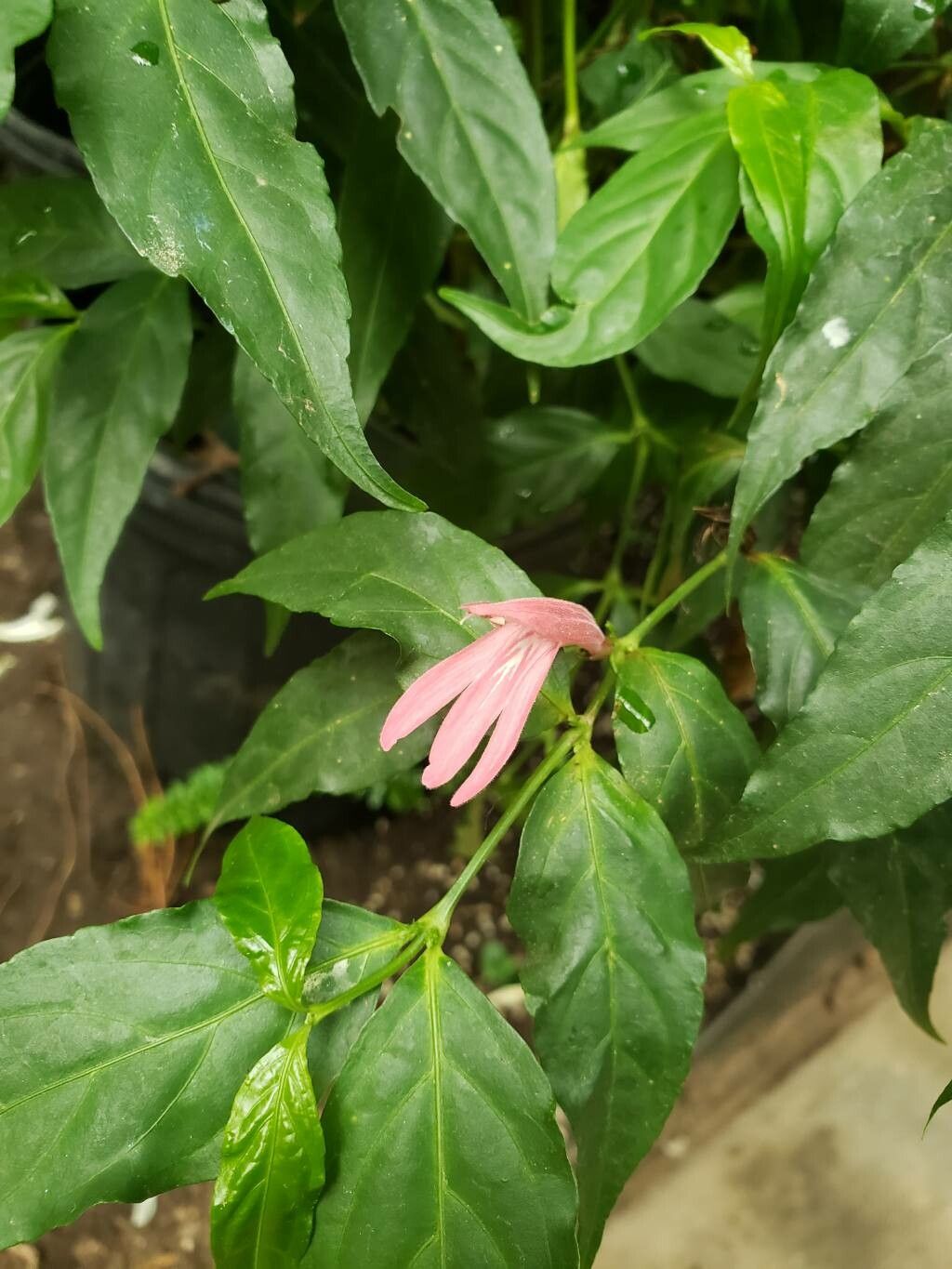
Oh, hello there! Come on in, grab a mug. Let’s chat about growing more of those lovely Dianthera candicans. I’ve been growing this beauty for years, and honestly, the thing that makes me happiest is sharing a little bit of my garden with others. Propagating Dianthera candicans is a wonderful way to do just that, and it’s not nearly as intimidating as you might think.
The Sweet Charm of Dianthera candicans
Why is Dianthera candicans so special? Well, for me, it’s that unique, almost velvety foliage. The silvery undersides catch the light beautifully, and the upright growth habit adds such a lovely architectural element to any planting. It’s a real showstopper, and being able to create more of them from your existing plants? That’s pure gardening joy. Many folks find this plant to be quite forgiving, which makes propagating it a really rewarding experience, even for those newer to the plant world.
When to Get Your Hands Dirty
The absolute best time to start propagating Dianthera candicans is when the plant is in its active growing season. This usually means late spring through to mid-summer. You’re looking for new, healthy growth that’s not too woody. Think of it like this: you want to take cuttings from a plant that’s full of energy and ready to grow, not one that’s slowing down for a rest.
Your Propagation Toolkit
Before we dive in, let’s make sure you have everything you need. It’s always good to be prepared!
- Sharp Pruning Shears or a Clean Knife: For making clean cuts, which helps prevent disease.
- Potting Mix: A good, well-draining mix is crucial. I usually go with a blend of equal parts perlite and potting soil. Some folks like to add a bit of coco coir too.
- Small Pots or Seed Trays: Clean pots are a must! Any size from 4-inch pots up will do.
- Rooting Hormone (Optional but Recommended): This gives your cuttings a great head start in developing strong roots. I prefer a powder form.
- Watering Can with a Fine Rose: For gentle watering.
- Plastic Bags or a Clear Dome Lid: To create a humid environment for your cuttings.
- Labels and Marker: Don’t forget to label your pots!
Spreading the Love: Propagation Methods
I find two main methods work wonderfully for Dianthera candicans: stem cuttings and division.
Stem Cuttings: The Classic Approach
This is my go-to method for increasing my stock. It’s relatively simple and yields great results.
- Select Your Cuttings: Find healthy stems on your established plant. Look for pieces that are about 4 to 6 inches long and have at least a couple of sets of leaves. Avoid anything too old and woody or too soft and floppy.
- Make the Cut: Using your sharp pruning shears or knife, make a clean cut just below a leaf node (where a leaf attaches to the stem).
- Prepare the Cutting: Gently remove the lower leaves, leaving just the top few leaves. If the top leaves are very large, you can even cut them in half to reduce water loss.
- Apply Rooting Hormone (Optional): Dip the cut end of the stem into your rooting hormone, tapping off any excess.
- Plant Your Cuttings: Fill your clean pots with your prepared potting mix. Make a small hole with your finger or a pencil, then insert the cut end of the stem into the soil. Gently firm the soil around it.
- Water Gently: Water the soil thoroughly but gently until you see water drain from the bottom of the pot.
- Create a Humid Environment: Cover the pot loosely with a plastic bag or a clear dome lid. You want to create a mini-greenhouse effect, but make sure the leaves don’t touch the plastic if possible to prevent rot.
Division: For Established Plants
If you have a mature, clump-forming Dianthera candicans, division is a fantastic way to get multiple plants quickly.
- Gently Excavate: Carefully dig up the entire plant from its pot or garden bed. You want to do this at a time when the soil isn’t bone dry or soaking wet.
- Identify Natural Breaks: Gently shake off some of the excess soil. Look for natural divisions in the root ball. The plant will often pull apart easily into smaller sections. If it’s stubborn, you can use a clean trowel or even your hands to help separate it.
- Prepare the Divisions: Each division should have roots and at least one or two healthy shoots. Trim away any damaged roots.
- Replant: Pot up each division into its own container using fresh potting mix, or replant them directly back into the garden, spacing them appropriately. Water them in well.
The “Secret Sauce” from My Garden
Alright, so you’ve got your cuttings or divisions. Here are a few little tricks I’ve learned over the years that seem to make a world of difference.
- Bottom Heat is Your Friend: Dianthera candicans absolutely loves a bit of warmth from below when you’re rooting cuttings. Placing your pots on a heating mat designed for propagation can significantly speed up root development. It mimics the warmth of spring soil perfectly.
- Don’t Drown Them! While they need moisture, soggy soil is the enemy of tender cuttings. Water thoroughly, then let the top inch of soil dry out slightly before watering again. Overwatering is the quickest way to invite rot.
- A Little Air Circulation Goes a Long Way: Once you see some new growth on your cuttings (that’s the sign they’ve rooted!), gradually remove the plastic bag or dome over a few days. This allows the new plant to acclimatize to drier air and strengthens it.
Nurturing Your New Sprouts
Once your cuttings have developed a good network of roots (you can gently tug on them – if there’s resistance, they’ve rooted!), it’s time to treat them like little darlings. Keep them in a bright spot, but out of direct, scorching sun. Continue to water them when the top inch of soil feels dry.
Watch out for signs of failure, the most common being rot. If a cutting turns black and mushy, it’s usually a sign of too much moisture and not enough air circulation. Sadly, a rotted cutting is usually a goner, so it’s best to remove it and inspect your other cuttings carefully. Yellowing leaves can sometimes just mean the plant is focusing its energy on root growth, but if it persists and the stem seems weak, it might indicate an issue with watering or light.
Patience is a Gardener’s Virtue
Propagating plants is a bit like watching children grow – it takes time and a whole lot of love. Don’t get discouraged if every single cutting doesn’t make it. Gardening is a journey, and the successes are all the sweeter for the effort. Enjoy the process of nurturing these new plants, and soon you’ll have even more of that wonderful Dianthera candicans to enjoy and share. Happy growing!
Resource: