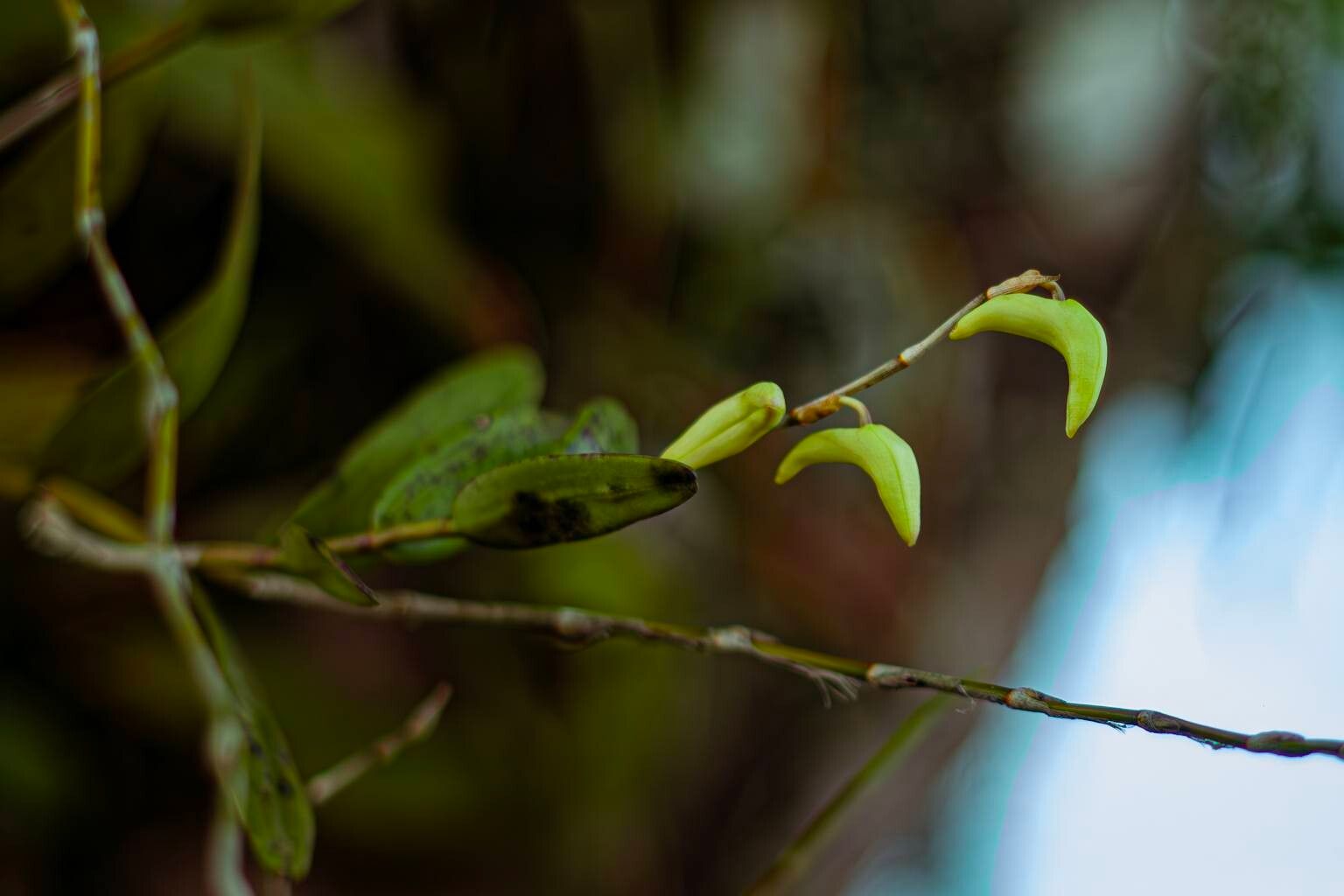
Hey there, fellow plant lovers! I’m so excited to dive into the wonderful world of propagating Dendrobium crumenatum, also known as the Pigeon Orchid. This elegant orchid, with its delicate, bird-like blooms, is truly a joy to have in the garden or your home. There’s something incredibly satisfying about nurturing a tiny piece of a plant into a whole new, flourishing life. If you’ve admired these beauties, you’ll be happy to know that while it requires a little attentiveness, propagating Dendrobium crumenatum is absolutely achievable, even for those who are relatively new to the orchid game.
The Perfect Moment to Get Started
Timing is everything, and for Dendrobium crumenatum, the sweet spot for propagation is usually late spring to early summer. This is when the plant is actively growing and has stored up plenty of energy. You’ll want to pick a plant that’s looking robust and healthy. Avoid propagating during a heatwave or when the plant is stressed. Give it a good watering and a light feed a week or two beforehand to ensure it’s in top form.
Gather Your Tools of the Trade
Before we get our hands dirty, let’s make sure we have everything we need. It’s always better to be prepared!
- Sharp, sterile pruning shears or a clean knife: For making clean cuts.
- Orchid potting mix: A well-draining mix is crucial. I like a blend of bark chips, perlite, and a little bit of sphagnum moss. You can often find pre-made orchid mixes at your local garden center.
- Small pots or containers: Clean pots are a must to prevent disease.
- Rooting hormone (optional but recommended): This can give your cuttings a helpful boost.
- Water sprayer: For keeping humidity up.
- Clear plastic bags or a propagation dome: To create a mini-greenhouse effect.
- Labels and a marker: To keep track of your babies!
Bringing New Life: Propagation Methods
We’ll focus on the most reliable methods for Dendrobium crumenatum: stem cuttings and division.
Stem Cuttings: A Patient Approach
This is a fantastic way to multiply your collection.
- Identify a healthy cane: Look for a mature cane (that’s the segmented stem) on your Dendrobium crumenatum. It should be plump and free of any signs of distress.
- Make the cut: Using your sterile shears, cut the cane into sections that are at least 4-6 inches long. Each section should have at least two or three nodes (the little bumps where leaves emerge).
- Apply rooting hormone (optional): If you’re using rooting hormone, dip the cut ends of each section into the powder or gel.
- Planting: Prepare your small pots with a light orchid mix. Gently place each cane section into the pot, burying about half of it. The nodes should be mostly covered.
- Create a humid environment: Water the mix lightly. Then, cover the pot with a clear plastic bag, securing it around the rim with a rubber band. Alternatively, use a propagation dome.
Division: For Established Plants
If you have a more mature plant that’s starting to outgrow its pot or producing multiple pseudobulbs (those swollen stem bases), division is a great option.
- Remove from pot: Gently take the entire plant out of its container.
- Clean the roots: Carefully brush away as much of the old potting mix as you can from the root ball. This helps you see the divisions clearly.
- Separate the sections: Look for natural division points where new growth is emerging. With clean hands or a sterile knife, gently pull or cut the plant into smaller sections. Each division should have at least two or three healthy pseudobulbs and a good amount of root attached.
- Potting up: Pot each new division into its own small pot filled with fresh orchid mix. Ensure the base of the pseudobulbs is at the surface of the mix.
- Initial watering: Water thoroughly, then let excess water drain away.
The “Secret Sauce”: My Little Secrets
Over the years, I’ve learned a few tricks that can really make a difference:
- Humidity is King (and Queen!): Orchids, especially young ones, adore humidity. That plastic bag or propagation dome is not just for show; it’s creating a moist microclimate that will encourage those cuttings to root. Mist the inside of the bag lightly every couple of days if it looks dry.
- Bottom Heat is Your Friend: If you have a heat mat designed for seedlings, try placing your pots on it. A consistent, gentle warmth from below can drastically speed up root development. Just don’t let it get too hot – aim for around 70-75°F (21-24°C).
- Air Circulation Matters: While we want to trap humidity, stagnant air can lead to fungal issues. Every day, for a few minutes, remove the plastic bag or lift the dome to let in some fresh air. This helps prevent rot and keeps things healthy.
Aftercare and What to Watch For
Once you see new roots forming (this can take weeks to months, so be patient!), it’s time to adjust your care.
- Gradual Acclimation: Slowly start to reduce the humidity by opening the plastic bag or dome for longer periods each day. Eventually, you’ll be able to remove it altogether.
- Light Watering: Continue to water when the potting mix feels slightly dry. Avoid letting the plant sit in soggy soil.
- New Growth: The appearance of new leaves or shoots is a sure sign of success!
Now, what if things don’t go as planned? The most common culprit is rot. If you see mushy stems or leaves turning yellow and dropping off, it’s a sign of too much moisture or poor air circulation. If you catch it early, you might be able to salvage the healthy part of the cane by cutting away the rotten bits and repotting in dry mix. Don’t be discouraged if a cutting doesn’t make it; it’s all part of the learning process!
Go Forth and Grow!
Propagating orchids can feel like a bit of magic, and the joy of seeing your efforts blossom is truly unparalleled. Keep a sense of gentle observation, be patient with your little green charges, and most importantly, enjoy the journey of growing something new. Happy propagating!
Resource:
https://identify.plantnet.org/k-world-flora/species/Dendrobium%20crumenatum%20Sw./data