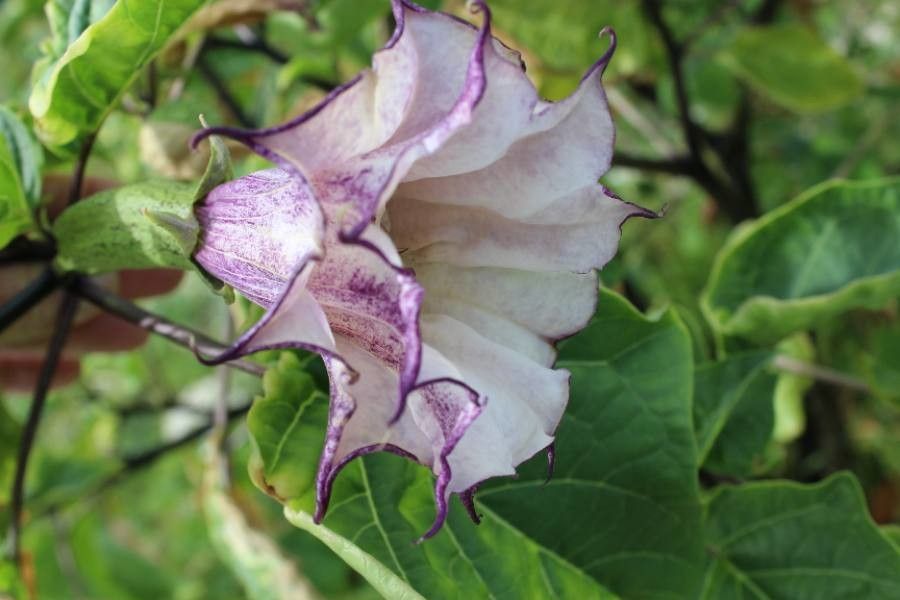
Oh, hello there! Come on in, let’s chat about Datura metel. If you’ve ever seen these incredible trumpet-shaped flowers, with their intoxicating fragrance and dramatic presence, you know exactly why I’m so smitten. Growing them from scratch, from a tiny cutting or a seemingly insignificant seed, is just one of those deeply satisfying gardening victories that never gets old. And the best part? While they have a bit of a reputation, propagating Datura metel is actually quite accessible, even for those just dipping their toes into the world of plant parenthood. I’m excited to share my tried-and-true methods with you all.
The Best Time to Start
For the highest chances of success, I always aim to propagate Datura metel in late spring or early summer. This is when the plant is in its active growing phase, meaning it’s full of energy and more receptive to forming new roots. You’ll want to take cuttings from healthy, vigorous stems that have started to get a little woody but aren’t completely hard. Avoid flowering stems if you can – the plant needs to focus its energy on rooting, not on producing blooms.
Supplies You’ll Need
Gathering your supplies ahead of time makes the whole process so much smoother. Here’s what I typically have on hand:
- Sharp Pruning Shears or a Clean Knife: For taking clean cuttings.
- Rooting Hormone Powder or Gel: This isn’t strictly essential but it gives cuttings a significant boost.
- A Well-Draining Potting Mix: I like to use a 50/50 blend of seedling starter mix and perlite. This provides good aeration and prevents waterlogging.
- Small Pots or Seedling Trays: Whatever suits your quantity of cuttings. Make sure they have drainage holes!
- Plastic Bags or a Clear Dome: To create a humid environment for your cuttings.
- A Spray Bottle: For misting.
- (Optional) A Heat Mat: For bottom heat, which can speed up root development.
Propagation Methods
Let’s get our hands dirty! I find stem cuttings to be the most reliable method for Datura metel.
Stem Cuttings
- Select Your Cuttings: Look for healthy, semi-hardwood stems that are about 4-6 inches long. You want stems that have a few sets of leaves but aren’t completely soft and green.
- Make the Cut: Using your sharp shears or knife, make a clean cut just below a leaf node (the point where a leaf attaches to the stem).
- Prepare the Cutting: Gently remove the lower leaves from about half of the cutting. Leave at least two or three leaves at the top. If the remaining leaves are very large, you can cut them in half to reduce water loss.
- Apply Rooting Hormone: Dip the cut end of the stem into your rooting hormone, tapping off any excess.
- Plant the Cutting: Make a small hole in your prepared potting mix with a pencil or your finger. Insert the cutting into the hole, ensuring the leaf nodes are buried. Gently firm the soil around the base.
- Water Lightly: Water the soil thoroughly but gently, allowing excess water to drain away.
- Create Humidity: This is crucial! Place the potted cutting into a clear plastic bag or cover it with a clear dome. Make sure the bag doesn’t touch the leaves too much. Place it in a bright, indirect light location.
Water Propagation (Less Reliable, but Fun to Watch!)
If you like to see the roots develop, you can try water propagation.
- Prepare the Cutting: Follow steps 1-3 above for selecting and preparing your stem cuttings.
- Place in Water: Submerge the cut end of the stem in a jar or glass of clean water. Make sure no leaves are touching the water, as this can cause rot.
- Change Water Regularly: Change the water every few days to keep it fresh and prevent bacterial growth.
- Locate: Place the jar in a bright, indirect light location.
- Transplant: Once you see at least a couple of inches of root growth, you can carefully transplant the cutting into your well-draining potting mix. Handle the young roots with extreme care!
The “Secret Sauce” (Pro Tips)
After years of trial and error, I’ve picked up a few tricks that really make a difference for Datura cuttings:
- Bottom Heat is Your Friend: If you have a heat mat, placing your pots on it can dramatically speed up root formation, especially if your home is on the cooler side. It mimics the warmth of spring soil.
- Don’t Overwater the Soil: While humidity is important, soggy soil is the quickest way to lose your cuttings to rot. The mix should be consistently moist, not wet. I often give the soil a light misting if it looks dry, rather than a deep watering.
- Be Patient with Leaf Droppers: Sometimes, cuttings will drop their leaves. Don’t panic! If the stem still looks firm and green (or slightly woody), there’s still a good chance it will root. I’ve had cuttings that looked completely bare for weeks before suddenly showing signs of life.
Aftercare & Troubleshooting
Once you see new leaf growth or feel gentle resistance when tugging lightly on the cutting, congratulations! Roots are forming.
- Acclimatize Slowly: If you used a plastic bag or dome, gradually introduce your new plant to less humid conditions over a week. Remove the cover for a few hours each day before taking it off completely.
- Watering: Continue to water when the top inch of soil feels dry.
- Light: Gradually move your plant to brighter light, but still avoid scorching direct sun for very young seedlings.
- Troubleshooting: The most common enemy is rot. If your cutting turns black and mushy, it’s likely rotted. This is usually due to overwatering or poor air circulation. If you see any sign of mold, remove the affected cutting immediately and ensure your other cuttings have good airflow. Yellowing leaves on established cuttings can also indicate overwatering.
A Encouraging Closing
Growing Datura metel from cuttings is a wonderfully rewarding endeavor. It takes a little patience and observation, but the thrill of seeing those tiny roots appear and eventually watching your new plant flourish is truly special. Don’t be discouraged if not every cutting takes. Gardening is a journey of learning and growing, and each attempt brings you closer to success. Enjoy the process, and happy gardening!
Resource:
https://identify.plantnet.org/k-world-flora/species/Datura%20metel%20L./data