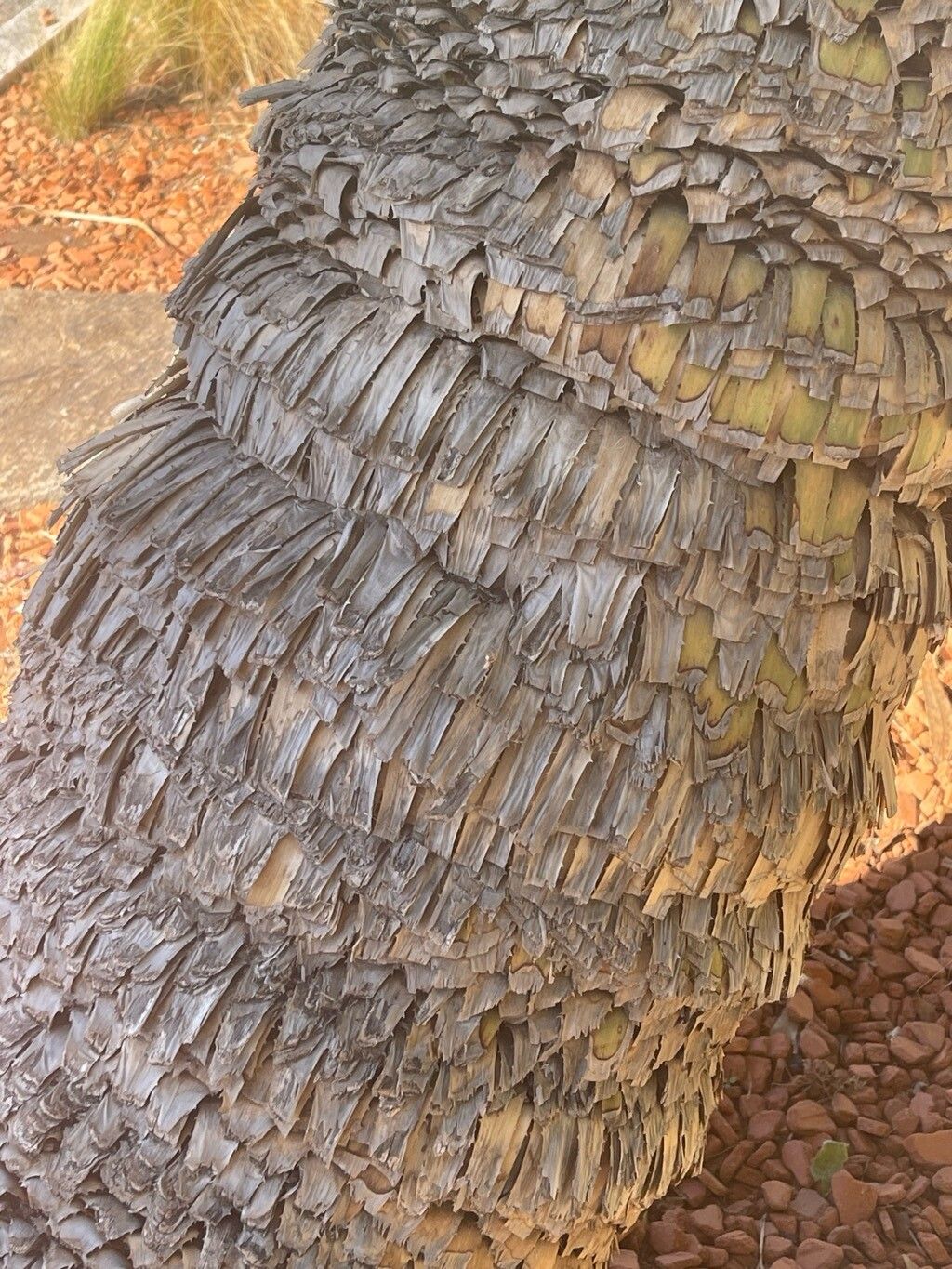
Hello, fellow plant lovers! If you’ve ever admired those stunning, architectural plants with their spiky, rosette-forming leaves, you might have stumbled upon the marvelous Dasylirion serratifolium, also known as the Mexican Grass Tree. I’ve been captivated by these beauties for years, their elegant silhouette bringing a touch of the desert wherever they’re planted. The real joy, though, is in coaxing new life from them. Propagating Dasylirion can feel like a bit of an accomplishment, and while they aren’t the absolute easiest plants to start from scratch, with a little guidance, it’s totally doable, even for those of you who are just dipping your toes into propagating.
The Best Time to Start
For Dasylirion serratifolium, spring is your golden ticket. When the days start getting longer and warmer, and the plant is actively growing, that’s prime time. You’re looking for signs of vigorous new growth pushing upwards. This is when the plant has the most energy to put into developing roots, giving your new babies the best chance to thrive.
Supplies You’ll Need
Gathering your tools beforehand makes the whole process smoother. Here’s what I usually have on hand:
- Sharp, clean pruning shears or a sharp knife: Essential for clean cuts, which prevent disease.
- Well-draining potting mix: I often use a cactus or succulent mix, or I’ll create my own by combining equal parts potting soil, perlite, and coarse sand.
- Small pots or seed trays: Anything that allows for good drainage.
- Rooting hormone (optional, but helpful): A powder or gel can give your cuttings a boost.
- Watering can or spray bottle: For gentle watering.
- Small trowel or dibber: To make planting holes.
- Labels: Trust me, you’ll thank yourself later!
Propagation Methods
Dasylirion serratifolium is most commonly propagated from offsets, which are small plantlets that grow from the base of the mature plant. You can also sometimes start them from seeds, though this is a much slower process and less common for home gardeners.
Propagating from Offsets:
- Gently excavate: When your plant is actively growing (spring!), carefully loosen the soil around the base of the mother plant. You’re looking for any small shoots that have emerged from the main trunk or base.
- Separate with care: Once you’ve spotted an offset that has a few leaves and looks like it has some root development of its own, use your clean pruning shears or knife to make a clean cut, separating it from the mother plant. Try to get as many of its own roots as possible without damaging the parent.
- Allow to callous: This is a crucial step! Leave the separated offset in a dry, well-ventilated spot out of direct sun for a few days to a week. The cut end needs to dry out and form a callus. This prevents rot when you plant it.
- Plant it up: Once calloused, fill a small pot with your well-draining mix. Make a small hole in the center with your trowel or finger. Dip the calloused end of the offset into rooting hormone (if using), then place it in the hole, gently firming the soil around it.
- Initial watering: Water very sparingly after planting, just enough to moisten the soil. You don’t want it soggy.
The “Secret Sauce” (Pro Tips)
- Patience is paramount: Dasylirions are slow growers, especially from offsets. Don’t expect magical roots overnight. It can take weeks, even months, for them to establish. Resist the urge to poke and prod constantly!
- Think “dry hands”: When handling your offsets and planting them, try to work with dry hands. Extra moisture can encourage fungal issues, and we want to avoid that.
- Location, location, location: Once planted, place your new offset in a bright spot, but out of direct, harsh sunlight, especially during the hottest part of the day. A bright, indirect light is perfect.
Aftercare & Troubleshooting
Once your offset is planted, the key to success is minimal watering and good airflow. Let the soil dry out completely between waterings. You’ll know it’s started to establish when you see new leaves beginning to unfurl from the center. Signs that things might not be going as planned usually involve mushy tissue, blackening at the base, or leaves wilting and turning yellow. This is often a sign of overwatering or rot. If you suspect rot, you might need to unpot it, cut away any diseased parts, and let it callous again before replanting in fresh, dry soil.
Don’t get discouraged if you lose one or two along the way. Gardening is a journey of learning and observation. The satisfaction of growing your own Dasylirion serratifolium from an offset is incredibly rewarding. Just keep it simple, be patient, and enjoy the process of nurturing new life. Happy growing!
Resource: