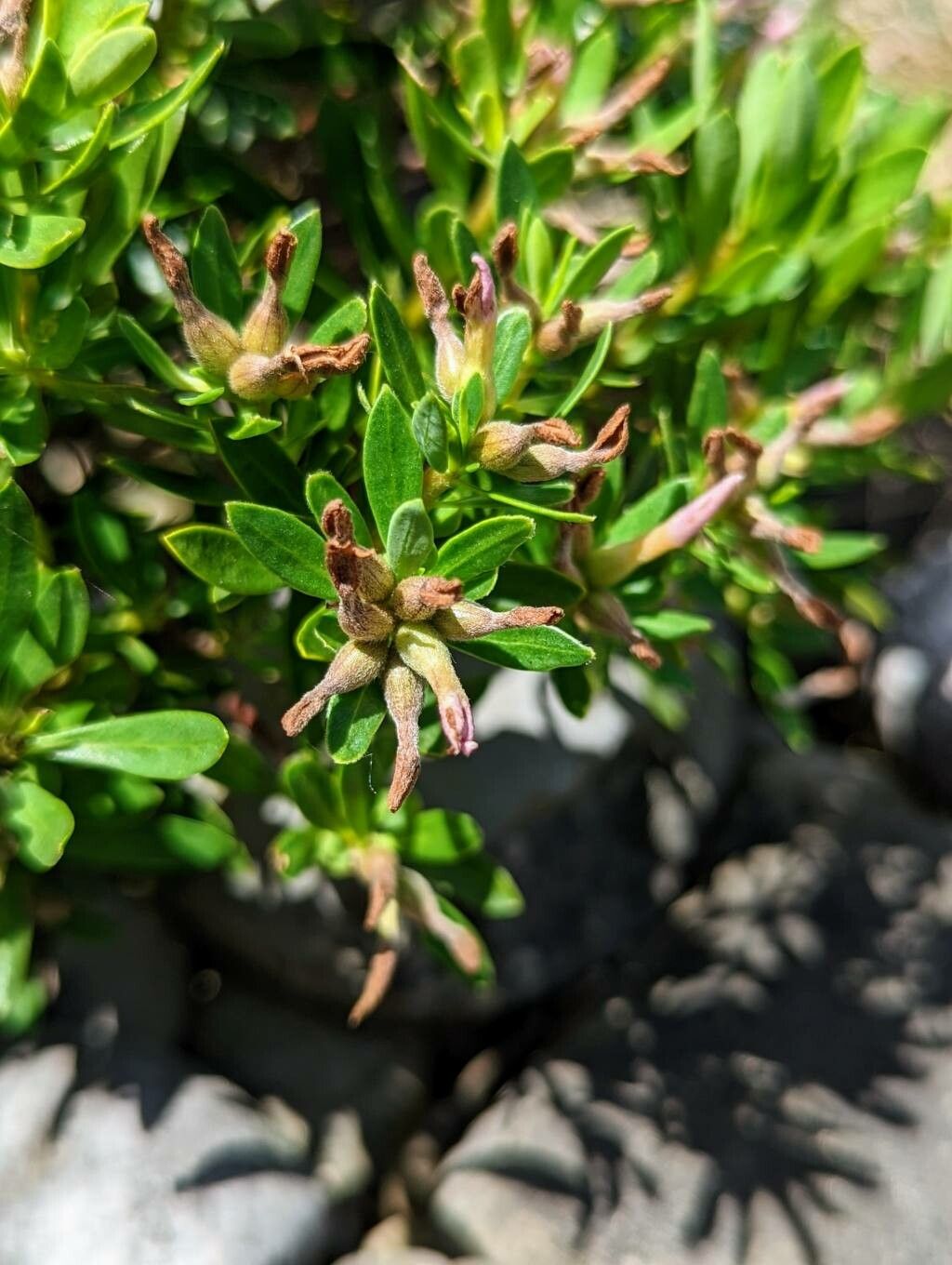
Oh, Daphne domini! If you’ve ever had the pleasure of breathing in that exquisite perfume wafting from its delicate blooms, you know why it’s a garden treasure. Getting more of these fragrant beauties is such a joy, and while it can be a little finicky, I promise, it’s absolutely doable. Think of it as a rewarding challenge for the budding gardener in you!
The Best Time to Start
For Daphne domini, late spring to early summer is generally your sweet spot. This is when the plant is actively growing, and you can take semi-hardwood cuttings. These are stems that have started to mature but are still flexible enough to root. Avoid taking cuttings from brand new, soft growth or from wood that’s already too hard and woody.
Supplies You’ll Need
Here’s what you’ll want to gather before you get started:
- Sharp Pruning Shears or a Craft Knife: Cleanliness is key!
- Rooting Hormone: A powder or gel will do.
- A Well-Draining Potting Mix: I like a blend of equal parts perlite, coarse sand, and peat moss or coco coir. You can also find specific seedling or propagation mixes that work well.
- Small Pots or Trays: Clean ones, of course.
- A Plastic Bag or Humidity Dome: To keep those cuttings moist.
- Labels and a Marker: So you don’t forget what you planted!
Propagation Methods
The most reliable method for Daphne domini is stem cuttings. Let’s walk through it:
- Locate Healthy Stems: Find a few stems on your established Daphne that are about pencil thickness and have a bit of resistance when you bend them – that’s your semi-hardwood.
- Take Your Cuttings: Using your sharp shears, cut pieces that are about 4-6 inches long. Make your cut just below a leaf node (where a leaf attaches to the stem). This is where the magic happens for root development.
- Prepare the Cuttings: Gently strip off the lower leaves. You want to leave just a couple of leaves at the very top to help with photosynthesis. If the remaining leaves are quite large, you can even cut them in half horizontally to reduce water loss.
- Apply Rooting Hormone: Dip the cut end of each stem into your rooting hormone, tapping off any excess. This little boost really helps encourage root formation.
- Plant Your Cuttings: Fill your clean pots with your prepared, well-draining mix. Make a hole with a pencil or your finger (big enough for the hormone-coated end) and gently insert the cutting. Firm the soil around the base.
- Create a Humid Environment: Water the soil gently, then cover the pots with a plastic bag (supported by stakes so it doesn’t touch the leaves) or place them under a humidity dome. This is crucial to keep the cuttings from drying out before they have roots.
The “Secret Sauce” (Pro Tips)
Here are a couple of things I’ve learned over the years that really make a difference with Daphne:
- Don’t Let the Leaves Touch the Water: If you are using a very shallow tray and there’s any chance of condensation collecting and sitting on the leaves, ensure there’s good air circulation. Wet leaves sitting for too long can lead to rot, and we don’t want that!
- Bottom Heat is Your Friend: While not strictly essential, placing your pots on a gentle heated propagator mat can significantly speed up the rooting process. Daphnes appreciate a bit of warmth around their roots.
Aftercare & Troubleshooting
Once your cuttings are planted, place them in a location that gets bright, indirect light. Avoid direct sun, which can scorch those delicate new cuttings. Keep the soil consistently moist but not waterlogged.
You’ll know your cuttings are rooting when you see new leaf growth or gentle tugging reveals resistance. This can take anywhere from 6 weeks to several months. Be patient!
The most common sign of failure is wilting and browning, eventually leading to a limp, lifeless stem. This is often due to:
- Drying Out: Not enough humidity or insufficient watering.
- Rot: Too much moisture without adequate drainage, or poor air circulation.
If a cutting looks a bit sad, check the moisture level and humidity. Sometimes they can bounce back if you catch it early. Sadly, if it’s completely limp and mushy, it’s likely a goner. Don’t be discouraged by a few failures; it’s all part of the learning curve.
A Little Patience Goes a Long Way
Watching a tiny cutting transform into a new plant is one of the most satisfying parts of gardening. It takes time and a bit of tender loving care, but the reward of having more of that beautiful, fragrant Daphne domini is absolutely worth it. So, gather your supplies, get your hands in the soil, and enjoy the process! Happy propagating!
Resource:
https://identify.plantnet.org/k-world-flora/species/Daphne%20domini%20Halda/data