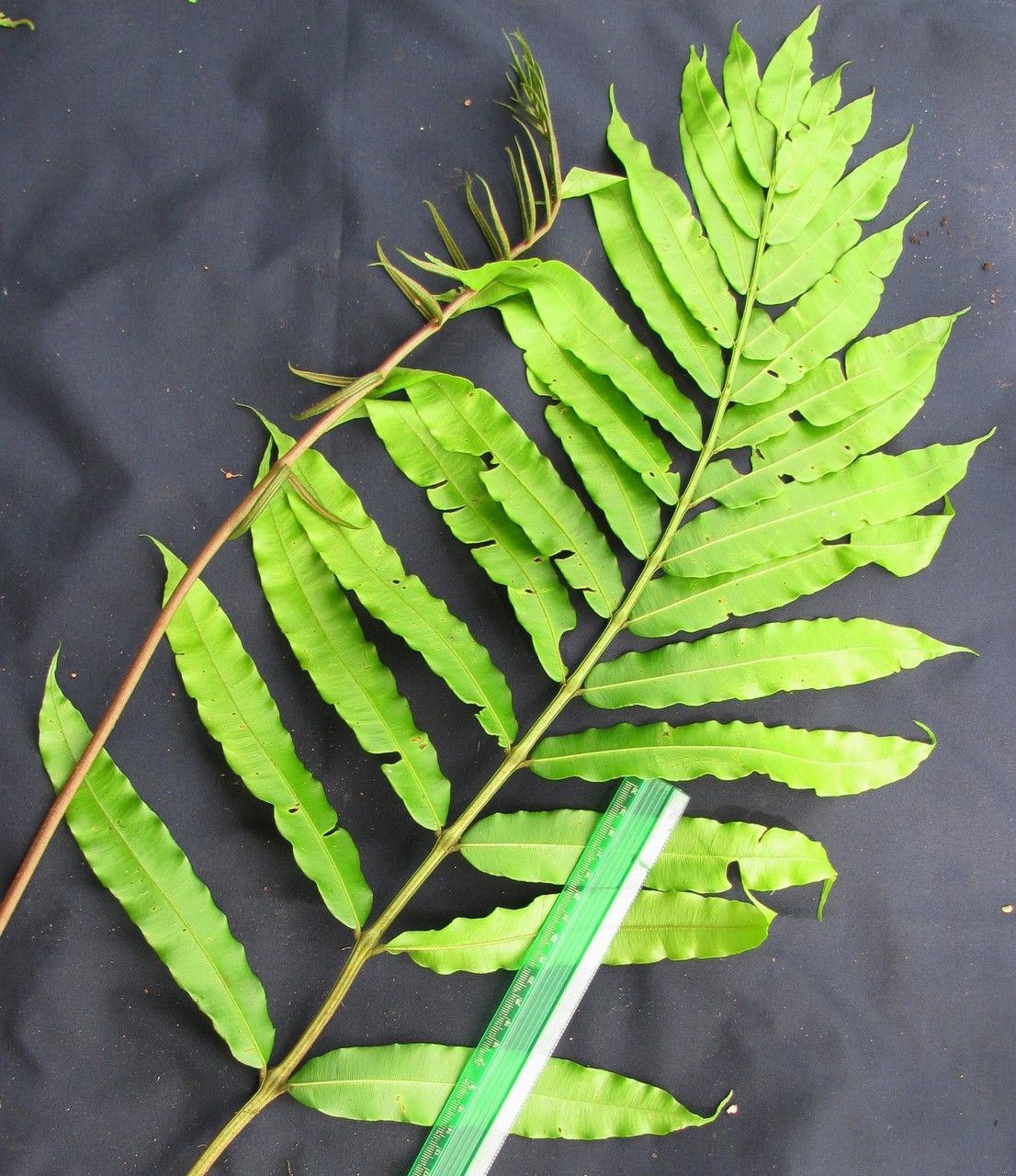
Oh, hello there, fellow plant lover! It’s so wonderful to connect with you. Today, we’re diving into the delightful world of Danaea longicaudata, a fern that has absolutely captured my heart over the years. Its lush, arching fronds can add such a dramatic touch to any shady corner, whether you’re growing it in a greenhouse, a terrarium, or a damp, sheltered spot in your garden. And the best part? With a little patience and know-how, you can multiply these beauties and share them with others! Propagating Danaea longicaudata isn’t exactly a beginner’s “wham-bam-thank-you-ma’am” kind of task. It requires a touch more care, but trust me, the satisfaction of watching a new plant unfurl from a tiny fragment is simply unparalleled.
The Best Time to Start
For the happiest, most successful propagation of Danaea longicaudata, I’ve found that spring to early summer is your sweet spot. This is when the plant is actively growing and has the most energy to put into developing new roots. Think of it as giving your cuttings a head start with the season’s enthusiasm!
Supplies You’ll Need
Before we get our hands dirty, let’s gather our toolkit:
- Sharp, clean pruning shears or a sharp knife: For making those crucial cuts. Sterilize them with rubbing alcohol between each cut to prevent disease spread.
- Well-draining potting mix: A peat-based mix with perlite or coarse sand is ideal. You want something that holds moisture but doesn’t become waterlogged. For terrarium varieties, a mix designed for tropicals works beautifully.
- Propagation trays or small pots: Clean ones, of course!
- Clear plastic bags or a propagation dome: To create a mini greenhouse effect and maintain humidity.
- Rooting hormone (optional but helpful): A powder or gel form can encourage faster root development.
- Watering can or spray bottle: For gentle watering.
- Labels and a permanent marker: You’ll thank yourself later for remembering what you planted and when!
Propagation Methods
While Danaea longicaudata can sometimes be tricky, division is often my go-to method for a higher success rate.
Method 1: Division (My Preferred Method)
This is the most reliable way to multiply mature plants.
- Gently remove the parent plant from its pot. If it’s in the ground, carefully excavate around its base.
- Inspect the root ball and rhizomes. You’re looking for sections that have distinct crowns or developing fronds.
- Using your clean shears or knife, carefully separate a healthy division. Make sure each division has at least one healthy frond and a good amount of attached roots.
- If you’re a bit nervous about cutting, gently tease the root ball apart with your fingers. Sometimes, sections will naturally come away.
- Pot each division into its own pot using your prepared potting mix.
- Water gently until the soil is evenly moist.
- Place the newly potted divisions in a humid environment (like under a propagation dome or covered with a plastic bag, propped up so it doesn’t touch the leaves). Keep them out of direct sunlight.
Method 2: Spore Propagation (For the Patient Gardener)
This is more akin to starting from seed, but with ferns, it’s spores! It’s a slow dance, but incredibly rewarding.
- Harvest Spores: Look for brown sori ( spore-producing structures) on the underside of mature fronds. Carefully collect these fronds.
- Sow Spores: Gently tap the spores onto a sterile, damp growing medium (like vermiculite or a fine peat mix). You want a very thin layer.
- Maintain Humidity: Cover the container tightly with plastic wrap or a lid to keep the surface consistently moist.
- Patience is Key: Spores take a long time to germinate, often weeks or months. They’ll develop into tiny liverwort-like structures called prothalli, and then the tiny fiddleheads will start to appear. This can take a year or more from sowing!
The “Secret Sauce” (Pro Tips)
Here are a few things I’ve learned along the way that make a real difference:
- The Power of Humidity: Ferns absolutely love humidity. When propagating, don’t let your plastic bag or dome collapse onto the developing fronds. A little airflow is good, but constant moisture around the leaves is crucial for root formation and preventing them from drying out.
- Bottom Heat is Your Friend: If you can, placing your propagation tray on a gentle heat mat can significantly speed up root development, especially for divisions. It mimics the warmth of a tropical forest floor.
- Don’t Rush the Transplant: Even when you see roots, give that new plant a little extra time to establish itself before exposing it to drier conditions or moving it to a larger pot. I usually wait until I see new, vigorous growth.
Aftercare & Troubleshooting
Once your new Danaea longicaudata starts showing signs of life—think new fronds unfurling or you gently tugging and feeling resistance from developing roots—it’s time for a little more attention.
Continue to keep the soil consistently moist but not soggy. Gradually introduce it to its new environment, perhaps leaving the cover off for short periods each day before removing it entirely.
The most common issue you’ll face is rot. If you see fronds turning mushy or blackening from the base, it’s usually a sign of too much water and not enough airflow. Yellowing leaves can sometimes mean it’s too dry, or it’s just adjusting, so observe closely. If rot sets in, try to remove the affected parts immediately and allow the soil to dry out a bit more before resuming watering.
A Little Patience Goes a Long Way
Gardening is a journey, and propagating ferns like Danaea longicaudata is a beautiful part of that. Don’t be discouraged if your first attempt isn’t perfect! Each plant is a learning experience. Celebrate the small victories, enjoy the process of nurturing new life, and soon you’ll have a whole collection of these graceful beauties to delight in. Happy propagating!
Resource:
https://identify.plantnet.org/k-world-flora/species/Danaea%20longicaudata%20Tuomisto/data