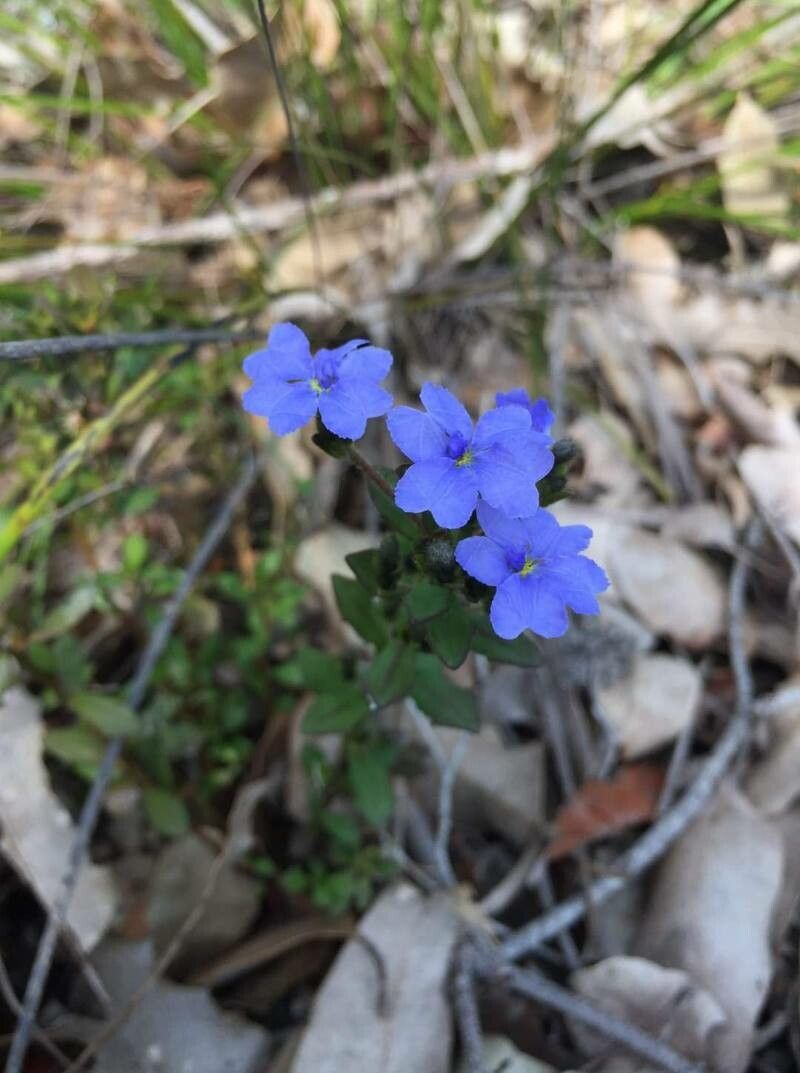
Oh, Dampiera linearis! If you’ve ever seen this little beauty gracing a garden, you know exactly why it steals the show. Its delicate, starry blue flowers are a true delight, bringing a touch of ethereal colour that just makes you smile. And the best part? Sharing this joy is wonderfully achievable through propagation. It’s a plant that’s quite forgiving, making it a lovely project for those just dipping their toes into the world of plant multiplication.
The Best Time to Start
For Dampiera linearis, spring and early summer are your golden windows for propagation. This is when the plant is actively growing, full of vigor, and more likely to readily root. Think of it like this: the plant is already in a “go-getter” mode, so it’s more receptive to making new roots and growing into a whole new plant. Waiting until after the main flowering flush is also a good idea, as it allows the plant to focus its energy on new growth.
Supplies You’ll Need
Gathering your tools before you begin makes the whole process smoother. Here’s what I always have on hand:
- Sharp pruning shears or a clean craft knife: For making clean cuts.
- Small pots or trays: Clean ones are essential to prevent disease.
- Potting mix: A well-draining mix is crucial. I often use a blend of equal parts peat moss (or coco coir), perlite, and a bit of coarse sand.
- Rooting hormone (optional but recommended): A powder or gel can give your cuttings a helpful boost.
- Plastic bags or a propagator: To create a humid environment for your cuttings.
- Watering can with a fine rose: For gentle watering.
- Labels and a marker: To keep track of what you’ve planted and when.
Propagation Methods
Dampiera linearis is generally very happy to propagate from stem cuttings. It’s my go-to method, and usually the most successful.
1. Taking Cuttings:
Start by selecting healthy, non-flowering stems from your mature Dampiera. Look for stems that are semi-hardwood – not too soft and floppy, but not woody either. Using your sharp pruning shears or craft knife, take cuttings about 3-4 inches long. Make the cut just below a leaf node (where a leaf attaches to the stem). This is where the plant’s rooting hormones are often most concentrated.
2. Preparing the Cuttings:
Gently remove the lower leaves from your cuttings, leaving just a few at the top. This prevents them from rotting when they’re in the soil. If you’re using rooting hormone, dip the cut end of each stem into it, tapping off any excess.
3. Planting the Cuttings:
Fill your small pots or trays with your prepared well-draining potting mix. Make a little hole in the center of the mix with a pencil or your finger. Carefully insert the prepared cutting into the hole, ensuring the leaf nodes where you removed the leaves are below the soil surface. Gently firm the soil around the base of the cutting.
4. Creating a Humid Environment:
Water the soil gently until it’s moist but not waterlogged. Then, cover the pots with a clear plastic bag or place them in a propagator. This creates a mini greenhouse effect, keeping the humidity high, which is vital for preventing the cuttings from drying out before they can form roots. Prop the bag up with a few small sticks if it’s touching the leaves.
The “Secret Sauce” (Pro Tips)
Here are a couple of things I’ve learned over the years that make a real difference:
- “Don’t let the leaves touch the water” when you’re doing water propagation (which can also work for Dampiera, though soil is my preference for long-term success). If leaves sit in water, they tend to rot and take the whole cutting down with them. Always keep trimmed leaves above the waterline.
- Consider bottom heat. A heated propagator mat can significantly speed up the rooting process, especially if your ambient temperatures are cooler. The warmth encourages root development from below, giving your cuttings a real head start.
Aftercare & Troubleshooting
Once your cuttings are planted and covered, place them in a bright spot out of direct sunlight. Keep the soil consistently moist but not soggy – check it regularly.
You’ll know your cuttings are rooting when you see new leaf growth appearing at the tip or along the stem. This usually takes anywhere from 4 to 8 weeks, depending on the conditions.
The most common pitfall is rot. If you see your cuttings turning black and mushy, it’s usually a sign of overwatering or insufficient drainage. Make sure your mix is airy, and don’t let them sit in standing water. If a cutting looks a bit sad but isn’t rotten, don’t despair! Sometimes they just need a bit more time to adjust. Remove any leaves that have fallen off and continue to provide consistent moisture and humidity.
A Encouraging Closing
And there you have it! Propagating Dampiera linearis is a rewarding journey that brings beauty and the satisfaction of nurturing new life. Be patient with your little ones, celebrate every tiny sign of progress, and enjoy the process. Soon, you’ll have even more of those gorgeous blue stars to admire and share! Happy gardening!
Resource:
https://identify.plantnet.org/k-world-flora/species/Dampiera%20linearis%20R.Br./data