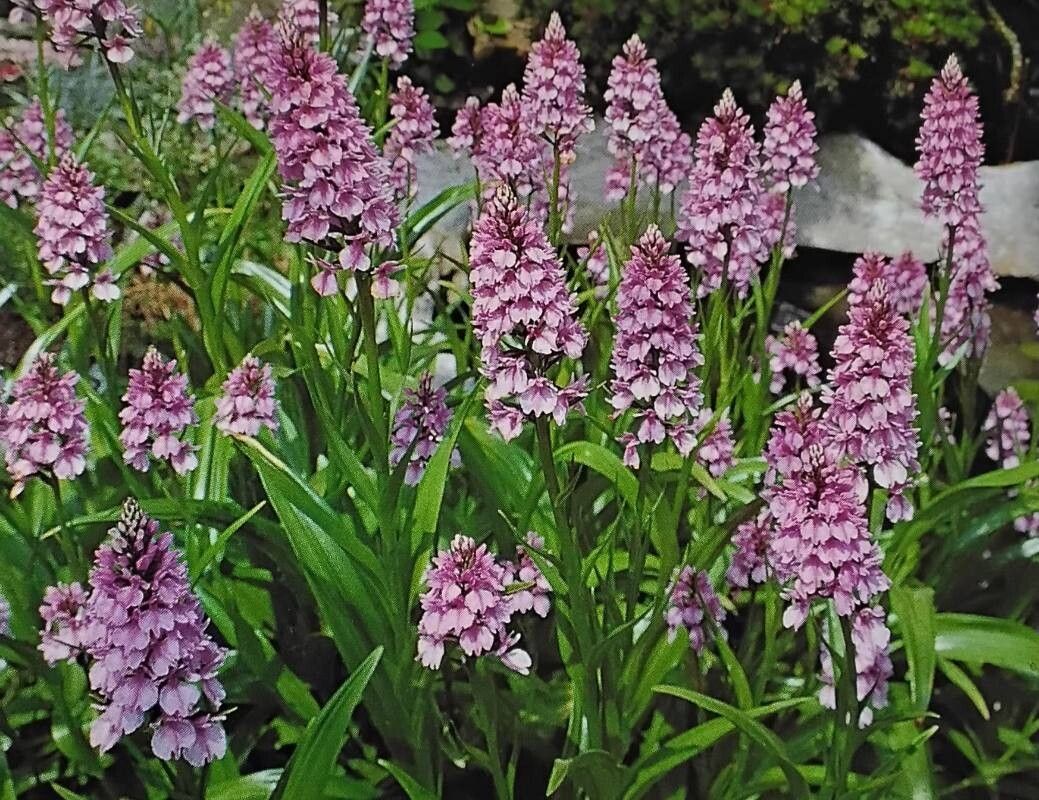
Hello there, fellow plant enthusiasts! I’m so happy you’re here to chat about one of my absolute favorite orchids: Dactylorhiza foliosa. Also known as the Large-leaved Orchid or the Atlantic Orchid, this beauty is a real stunner. Its vibrant spikes of magenta flowers are just breathtaking, and honestly, growing them from scratch is incredibly rewarding. Now, I won’t sugarcoat it: Dactylorhiza foliosa can be a bit fussy, so it might not be the very first plant I’d recommend for a complete beginner. But with a little patience and by following some tried-and-true methods, you’ll be well on your way to a whole patch of these gorgeous blooms!
The Best Time to Start
For Dactylorhiza foliosa, the sweet spot for propagation is truly late spring to early summer. This is when the plant is actively growing and has plenty of energy reserves. You’ll want to wait until the current season’s growth has started and the stems are firm but not yet woody and mature.
Supplies You’ll Need
Gathering your tools beforehand makes the whole process smoother. Here’s what I always have on hand:
- Sharp, sterile pruning shears or a very sharp knife: A clean cut is paramount to prevent disease.
- A good quality, well-draining potting mix: I find a mix of peat moss, perlite, and a bit of orchid bark works wonders. You need excellent aeration for these orchids.
- Small pots or trays: Make sure they have drainage holes!
- Rooting hormone (optional but helpful): While not always strictly necessary for Dactylorhiza, it can give an extra boost.
- A watering can with a fine spray nozzle: Gentleness is key.
- Gravel or perlite for drainage: To put in the bottom of pots.
Propagation Methods
The most reliable method for Dactylorhiza foliosa is division. These orchids form tubers, and dividing them is like giving the mother plant a haircut and getting new babies out of it!
Division Steps:
- Wait for Dormancy (or near dormancy): The absolute best time to divide is when the plant is showing signs of dying back, usually in late summer or early autumn. If you can’t wait, and you’re doing it in late spring as mentioned earlier, be extra gentle.
- Gently Excavate: Carefully loosen the soil around the base of the plant. You can use your trowel or even your hands. The goal is to expose the tubers without damaging them.
- Identify the Divisions: Look for natural breaks where tubers have formed. You’ll want each division to have at least one healthy tuber and at least one active growing point (often a small bud or shoot).
- Make the Cut: Using your sharp, sterile pruners or knife, carefully divide the plant. Ensure each section has its own tuber and growing point.
- Allow to Dry (Slightly): Let the cut surfaces of the divided tubers air dry for a few hours. This helps to callus over the cuts and prevent rot.
- Pot Up: Fill your small pots with your well-draining orchid mix. Plant each division so the top of the tuber is just at soil level or slightly below.
- Water Sparingly: Water the newly potted divisions very lightly. You want the soil to be just moist, not soggy.
The “Secret Sauce” (Pro Tips)
After years of coaxing orchids to grow, I’ve picked up a few tricks:
- Don’t Be Afraid of a Little Roughness (with the tuber): While you want to be gentle overall, understand that these tubers are tough. If you need to carefully sever a connection to get a good division, don’t hesitate. Just make sure your tool is clean.
- Bottom Heat is Your Friend (for a short while): Especially if you’re trying to propagate earlier than dormancy, placing your pots on a gentle heating mat set to about 65-70°F (18-21°C) can really encourage root development. Just keep it on for the first few weeks.
- Air Circulation is Key: Once you’ve potted your divisions, ensure they have good air circulation around them. Mold and mildew are the enemies, and good airflow helps keep them at bay.
Aftercare & Troubleshooting
Once your Dactylorhiza foliosa divisions are potted, be patient.
- Watering: Water only when the soil surface feels dry. Overwatering is the quickest way to invite rot, especially with young divisions.
- Light: Place them in a bright location with indirect sunlight. Direct sun can scorch tender new growth.
- Patience: It can take several weeks, sometimes even a few months, for new growth to appear. Don’t despair if you don’t see immediate results!
If you start seeing mushy, brown sections or a foul smell, that’s a definite sign of rot. Unfortunately, once rot sets in, it’s often difficult to save. This is usually a result of too much moisture and poor drainage. You might be able to cut away the rotted parts and try again with a new division, but it’s a tough one to recover from.
A Encouraging Closing
Growing orchids is a journey, and Dactylorhiza foliosa is no exception. It’s about observation, gentle care, and a good dose of patience. Don’t be discouraged by the learning curve. Every gardener has had their share of plant mishaps. Just enjoy the process, celebrate every tiny bit of new growth, and you’ll soon have a beautiful collection of these stunning orchids to share with the world. Happy growing!
Resource:
https://identify.plantnet.org/k-world-flora/species/Dactylorhiza%20foliosa%20(Rchb.f.)%20Soó/data