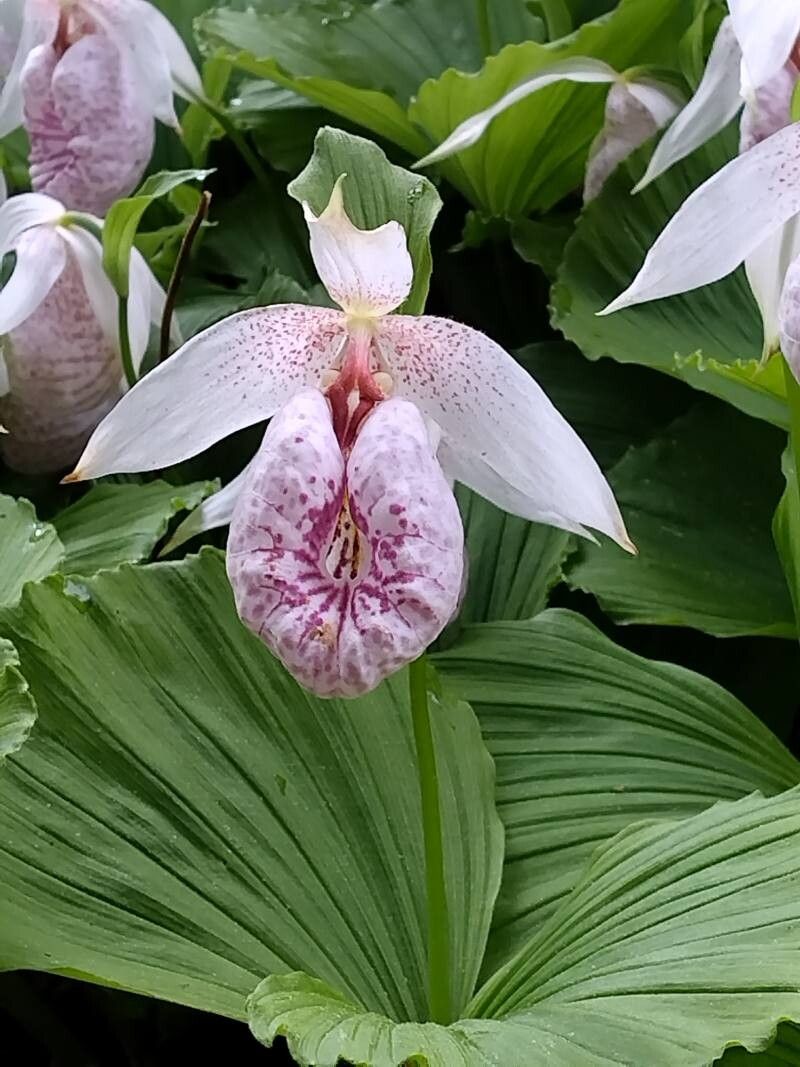
Oh, hello there! Come on in and grab a mug. Today, we’re going to talk about a plant that truly captures hearts: Cypripedium formosanum, or the Taiwan Lady’s Slipper. If you’ve ever seen these beauties, you know why they’re so special. Their exquisite slipper-shaped flowers are just… magical. And the thought of creating more of them yourself? Well, that’s a deeply satisfying gardening adventure.
Now, I won’t sugarcoat it. Propagating Cypripedium formosanum isn’t quite as straightforward as shoving a rose cutting into the ground. It’s a plant that demands a little more respect and understanding. But don’t let that deter you! With a bit of patience and the right approach, you can absolutely succeed. It’s a journey that teaches you so much about this unique orchid.
The Best Time to Start
Timing is everything, as they say! For Cypripedium formosanum, the absolute best time to consider propagation is during its active growing season, which is typically in the spring and early summer. You’ll want to work with the plant when it’s full of vigor, has healthy new growths emerging or actively growing, and before it starts to go dormant. Trying to propagate when it’s resting is like asking someone to run a marathon without any breakfast – it’s just not going to go well.
Supplies You’ll Need
Before we get our hands dirty, let’s gather our tools. Think of this as your preparation for a delicious garden feast!
- Sharp, sterile pruning shears or a sharp knife: Cleanliness is paramount to prevent disease transmission.
- Good quality orchid potting mix: Look for something that drains exceptionally well. A mix often containing bark, perlite, and sphagnum moss is ideal. Avoid standard potting soil.
- Small pots or community trays: These should have drainage holes! You can use seed trays or small individual pots. Sterilize them before use.
- Horticultural charcoal: A pinch of this can help keep the mix from going sour.
- Rooting hormone (optional, but can be helpful for some): A powdered or liquid form can give your cuttings a little nudge.
- A spray bottle: For gentle misting.
- A dibber or pencil: For making planting holes.
- Clear plastic bags or domes: To create a humid environment.
- Labels and a permanent marker: So you don’t forget what you planted and when!
Propagation Methods
While these orchids can be slow to increase, division is really the most practical and successful method for home gardeners. Seed propagation is a whole different ball game, requiring sterile flasks and specialized knowledge, so we’ll focus on giving your existing plant more friends.
Division
This is your go-to for multiplying Cypripedium formosanum. It’s essentially splitting up a mature clump to create new, independent plants.
- Gently Unpot: Carefully tip your Cypripedium formosanum out of its pot. Try not to disturb the roots too much. If it’s healthy, it should slide out fairly easily.
- Clean the Roots: Gently brush away as much of the old potting mix as you can from the root ball. You want to be able to clearly see the rhizomes (those thicker, horizontal stems) and the individual growths (which look like small buds or new shoots).
- Identify Division Points: Look for where the rhizomes naturally branch. You want to separate sections that have at least one healthy, plump growth bud and a good mass of roots attached. It might be tempting to take tiny bits, but be patient – larger divisions have a much higher success rate.
- Make the Cut: Using your sterilized pruning shears or knife, carefully cut through the rhizome to separate the divisions. Make sure each piece has a good root system.
- Pot Up Your New Plants: Prepare your clean pots with fresh orchid mix. Create a small well in the center. Place your new division in the pot so the top of the rhizome is just at or slightly below the surface of the mix. You don’t want to bury the growth bud too deeply.
- Water In Gently: Water thoroughly but gently to settle the potting mix around the roots.
The “Secret Sauce” (Pro Tips)
Here are a few little nuggets of wisdom I’ve picked up over the years that can really make a difference.
- Don’t Rush the Roots: When you’re dividing, give your new plants plenty of time to establish before expecting rapid growth. They need to focus on their root system first. You might not see much happening above ground for a while, and that’s perfectly normal.
- Mimic the Mountainside: These orchids love a cool, humid environment, especially when young. After potting, don’t let the leaves touch the soil surface if you can help it – this can encourage rot. Ensure good air circulation around the plant as much as possible, even while providing humidity.
- Bottom Heat Can Be Your Friend (for seedlings/cuttings if you were doing them): While division doesn’t strictly require it, if you were trying other methods like stem cuttings (which is trickier for these), a gentle bottom heat (around 70-75°F or 21-24°C) from a seedling heat mat can really encourage root development. For divisions, ensuring they are in a stable environment with consistent moisture (but not soaking wet) is key.
Aftercare & Troubleshooting
Once your new divisions are settled into their pots, the real nurturing begins.
- Water Wisely: Keep the potting mix consistently moist but never waterlogged. Check the moisture level by feeling the weight of the pot or gently poking a finger into the mix. Mist the air around the plant to increase humidity, but try to let the leaves dry off relatively quickly.
- Light and Shade: Place your propagated plants in a spot with bright, indirect light. Avoid direct sun, which can scorch those sensitive new growths.
- Patience is Key: As I’ve said, don’t expect miracles overnight. It can take several months, sometimes even a year, for a divided plant to really show significant new growth and re-establish itself.
Common Signs of Trouble:
- Rot: This is your biggest enemy. If you see soft, mushy growths or roots, it’s likely rot. This usually happens due to overwatering or poor drainage. You might need to unpot, trim away any rotted parts with a sterile tool, and repot in fresh, dry mix.
- Wilting: This can be a sign of underwatering, but also shock after division. Make sure they have consistent, though not excessive, moisture.
- No Growth for Ages: While patience is important, if you see absolutely no sign of life after a year, gently check the roots. Sometimes, the division may just not have taken.
A Little Bit of Encouragement
Growing plants, especially those as special as the Taiwan Lady’s Slipper, is a journey of learning and love. Don’t be discouraged if your first attempt isn’t a roaring success. Every gardener has had plants that didn’t quite make it. The learning is in the process, in observing, and in trying again. Celebrate each tiny victory, and most importantly, enjoy the quiet satisfaction of nurturing these exquisite plants. Happy growing!
Resource:
https://identify.plantnet.org/k-world-flora/species/Cypripedium%20formosanum%20Hayata/data