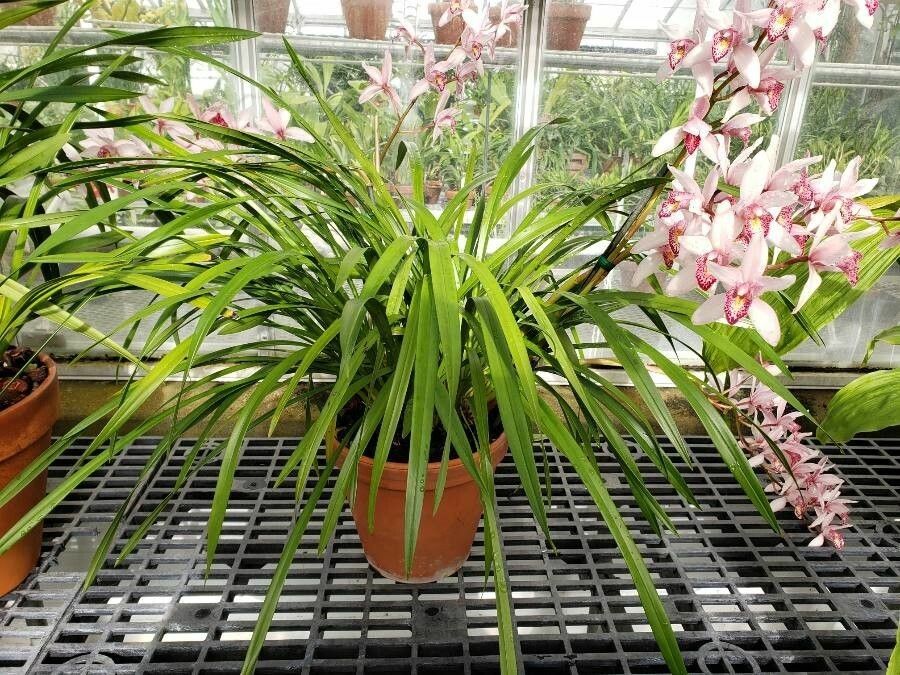
Hello fellow plant lovers! I’m so excited to chat with you today about a truly special orchid: Cymbidium erythrostylum. If you’ve ever seen this beauty, you know its delicate, elegant blooms are something to behold. The trumpet-shaped flowers, often in shades of creamy white and blush pink with a prominent crimson lip, have a way of just stopping you in your tracks. And the best part? You can bring that magic into your own garden by propagating your own! While it’s not the absolute easiest orchid to start with, I promise, with a little patience and these tips, it’s an incredibly rewarding journey.
The Best Time to Start
Timing is everything, as we seasoned gardeners know! For Cymbidium erythrostylum, the sweet spot for propagation is after the blooming season has finished, usually in late spring or early summer. This is when the plant is actively growing and has plenty of energy to invest in developing new roots and shoots. You’ll want to look for new growths, also called pseudobulbs, that are at least a few years old and have started developing their own roots at the base.
Supplies You’ll Need
Gathering your tools before you begin is like prepping your ingredients before baking. It makes the whole process smoother! Here’s what I always have on hand:
- Sterile pruning shears or a sharp knife: Essential for clean cuts that reduce the risk of disease.
- Cymbidium orchid potting mix: A well-draining blend is crucial. You can buy pre-made mixes or create your own with bark chips, perlite, and charcoal.
- Clean pots or containers: Small seedling pots or even recycled yogurt containers with drainage holes work.
- Rooting hormone (optional but helpful): A powder or gel to encourage root development.
- Watering can with a fine rose: For gentle watering.
- Labels and a waterproof marker: To keep track of your new babies!
- A small trowel or dibber: For positioning the cuttings.
Propagation Methods
The most common and successful way to propagate Cymbidium erythrostylum is through division. This involves separating healthy, mature pseudobulbs from the main plant.
- Gently remove the orchid: Carefully take the entire plant out of its pot. If it’s very root-bound, you might need to gently loosen the root ball with your fingers or even a chopstick.
- Inspect the pseudobulbs: Look for divisions that have at least two to three healthy pseudobulbs and at least one good root. Some older pseudobulbs might be leafless, but if they have healthy roots, they can still sprout!
- Make the cut: Using your sterilized pruning shears or knife, carefully cut between the pseudobulbs. Try to keep as many roots intact as possible on each division. If you need to cut through a thick rhizome (the horizontal stem connecting the pseudobulbs), make sure the tool is super sharp and clean.
- Prepare the divisions: Remove any dead or dying leaves and trim away any mushy or damaged roots. If you’re using rooting hormone, dust the cut surfaces lightly. Allow the cut surfaces to air dry for a day or two in a shaded spot. This helps prevent rot.
- Potting up: Fill your clean pots with your well-draining Cymbidium mix. Make a small hole in the center of the mix with your trowel or dibber.
- Plant your division: Place the division into the hole, ensuring the roots are spread out. The base of the pseudobulbs should be at or just slightly above the surface of the potting mix. Firm the mix gently around the roots.
- Watering: Water your newly potted divisions lightly. Don’t drench them.
The “Secret Sauce” (Pro Tips)
Now, for some little tricks I’ve picked up over the years:
- The “Don’t Drown” Rule: When you repot divisions, it’s tempting to water them thoroughly. But resist! They have fewer roots to take up moisture, so a light watering initially is best. You can gradually increase watering as you see new growth.
- Bottom Heat Magic: If you’re in a cooler climate, or trying this a bit earlier in the season, placing your potted divisions on a heat mat set to around 70-75°F (21-24°C) can dramatically speed up root development. Orchids love a warm base for their roots!
- Patience is a Virtue, Especially with Orchids: Don’t expect to see a bloom next week! Be patient. It can take several months for new roots and leaves to establish before you even think about flowering.
Aftercare & Troubleshooting
Once your divisions are potted, place them in a bright spot with indirect light. Avoid direct sun, which can scorch delicate new growth. Keep the humidity moderate. Water when the potting mix feels dry to the touch, usually every 7-10 days, depending on your conditions.
The most common issue you might encounter is rot. This usually happens when the plant is kept too wet, especially with insufficient drainage, or if cuts weren’t properly calloused. If you see a pseudobulb turning mushy and black, remove it immediately to prevent it from spreading to other parts of the plant.
A Encouraging Closing
Embarking on orchid propagation can feel a little daunting at first, but I truly believe anyone with a love for plants can succeed. Remember, each plant is a unique journey, and even experienced gardeners have their moments of trial and error. Be patient with your Cymbidium erythrostylum, provide it with the right conditions, and celebrate every new leaf and root. You’re not just growing a plant; you’re nurturing a piece of that exquisite floral beauty. Happy propagating!
Resource:
https://identify.plantnet.org/k-world-flora/species/Cymbidium%20erythrostylum%20Rolfe/data