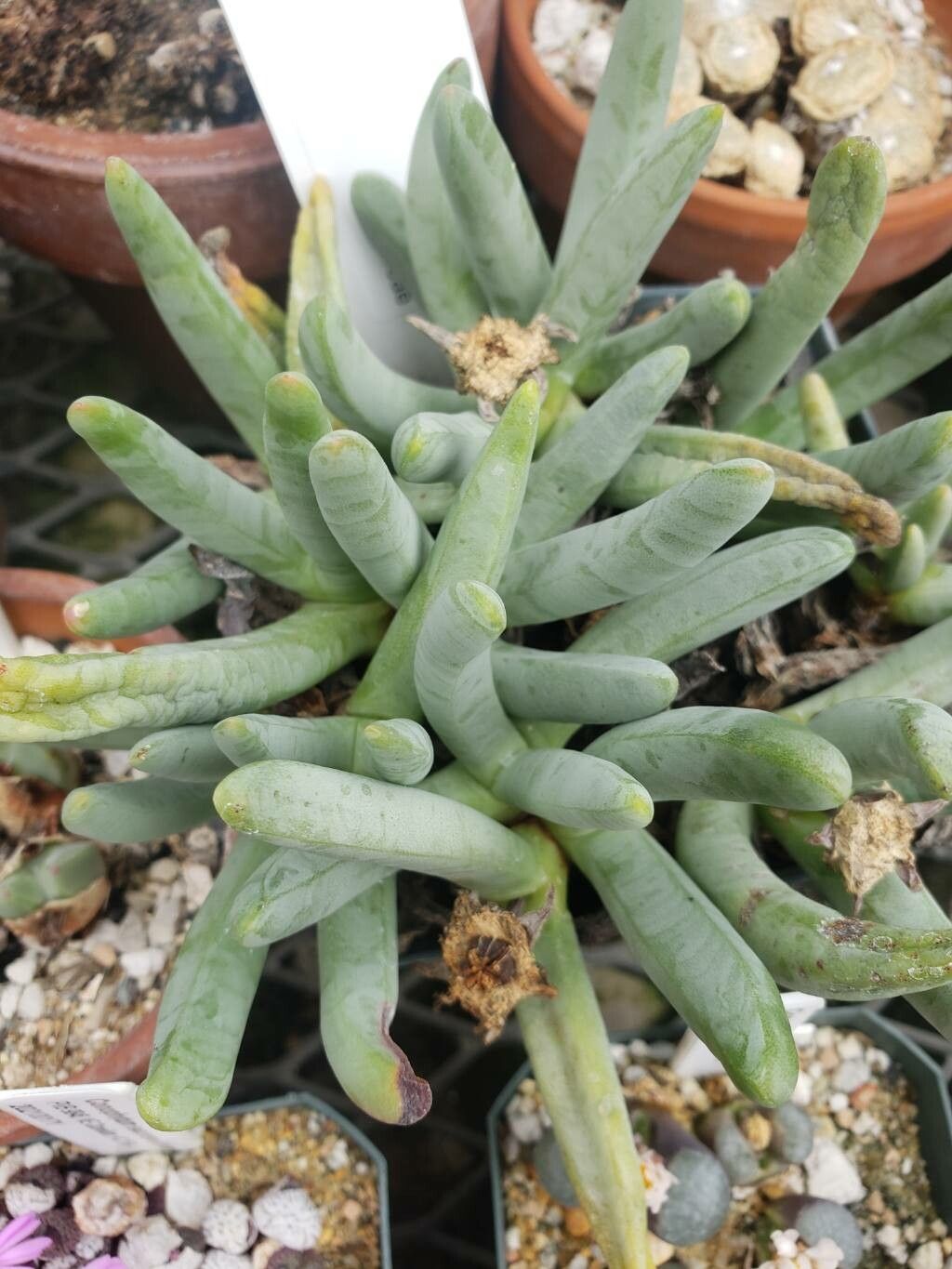
Oh, hello there! Come on in, grab a mug. I’m so glad you’re interested in Cylindrophyllum hallii. It’s such a charmer, isn’t it? Those plump, elegant leaves have a way of drawing you in. And honestly, multiplying these beauties is a truly rewarding experience. You get to watch life multiply right before your eyes, right? Don’t worry, if you’re just dipping your toes into propagation, this little gem might be a tad more particular than your common spider plant, but with a little guidance and patience, I promise you’ll be successful.
The Best Time to Start
For Cylindrophyllum hallii, I find the early spring is your golden ticket. Think March or April, when the plant is waking up from its winter slumber and full of vim and vigor. This is when it’s most eager to grow, and your cuttings will have the best chance of rooting quickly and healthily. You can also try in early fall, but spring growth is undeniably superior.
Supplies You’ll Need
Here’s what you’ll want to have on hand to make your propagation adventure smooth sailing:
- Sharp, clean pruning shears or a sharp knife: This is crucial for making clean cuts that heal well.
- Well-draining potting mix: I like to use a blend of equal parts perlite and seed-starting mix or cactus/succulent soil. You want good aeration.
- Small pots or propagation trays: Whatever you have that will hold your cuttings snugly.
- Rooting hormone (optional but recommended): This can give your cuttings a little boost, especially for trickier plants.
- Watering can with a fine rose or a spray bottle: Gentle watering is key.
- A warm spot: Some gentle bottom heat can be a game-changer.
Propagation Methods
Here are the most reliable ways to get more Cylindrophyllum hallii:
Stem Cuttings
This is my go-to method for this plant.
- Select a healthy stem: Look for a sturdy stem that has grown a bit, but isn’t woody. It should have at least a few sets of leaves.
- Make the cut: Using your sterilized shears or knife, make a clean cut just below a leaf node. A leaf node is where a leaf attaches to the stem. This is where the magic of root development happens.
- Remove the lower leaves: Gently pull off the leaves from the bottom half of your cutting. This prevents them from rotting once you plant it.
- Let it callus: This is a vital step! Place your cutting in a dry, airy spot away from direct sunlight for 2-3 days. You’ll see the cut end dry and form a protective scab, or callus. This helps prevent rot when you plant it.
- Apply rooting hormone (if using): Dip the callused end into your rooting hormone powder, tapping off any excess.
- Plant your cutting: Fill your small pot with your well-draining potting mix. Make a small hole in the center with your finger or a pencil.
- Insert the cutting: Gently place the callused end of the cutting into the hole, pressing the soil gently around it.
- Water lightly: Give your new cutting a gentle watering. You want the soil to be moist, but not soggy.
Division
If your Cylindrophyllum hallii has started to clump and look a bit crowded, division is a great option.
- Gently remove the plant from its pot: Turn the pot on its side and coax the plant out. You might need to tap the bottom or sides.
- Inspect the root ball: Look for natural separation points where new shoots are emerging from the main plant.
- Separate the divisions: Using your hands or a clean knife, carefully pull or cut the plant apart into smaller sections. Each division should have at least a few leaves and some healthy roots.
- Pot up your divisions: Plant each section in its own pot filled with your well-draining mix.
- Water lightly and place in indirect light.
The “Secret Sauce” (Pro Tips)
- Don’t let leaves touch the soil: When planting stem cuttings, make sure the remaining leaves are above the soil line. Any part of the plant submerged in moist soil is a prime candidate for rot.
- Bottom heat is your friend: Cylindrophyllum hallii loves a little warmth from below. Placing your pots on a gentle heat mat designed for seedlings can significantly speed up root formation. Just make sure it has an adjustable thermostat or is designed for low temperatures.
- Be patient with watering: After planting your cuttings, resist the urge to water them daily. Let the soil dry out slightly between waterings. Overwatering is the quickest way to lose a new cutting.
Aftercare & Troubleshooting
Once you see new leaf growth emerging, that’s a good sign that roots are forming!
- Gradual introduction to light: Once your cuttings have visibly rooted, you can gradually introduce them to brighter, but still indirect sunlight.
- Continue with careful watering: Keep the soil lightly moist, allowing it to dry out a bit between waterings, just as you would with a mature plant.
- Signs of failure: The most common culprit is rot. If your cutting turns mushy or black, it’s likely too much moisture. Sometimes, if it’s just the very tip that’s rotted, you can try recutting and re-callusing. If the whole cutting is compromised, it’s best to discard it and try again. Lack of growth after a few weeks could mean it just needs a bit more time or warmth.
A Little Encouragement
Propagating plants is a dance with nature, and sometimes it takes a few tries to get the rhythm right. Don’t get discouraged if your first attempt isn’t a resounding success. Each time you try, you learn a little more. The joy of nurturing a new life from a single leaf or stem is an experience like no other. So, happy propagating, and enjoy watching your Cylindrophyllum hallii family grow!
Resource:
https://identify.plantnet.org/k-world-flora/species/Cylindrophyllum%20hallii%20L.Bolus/data