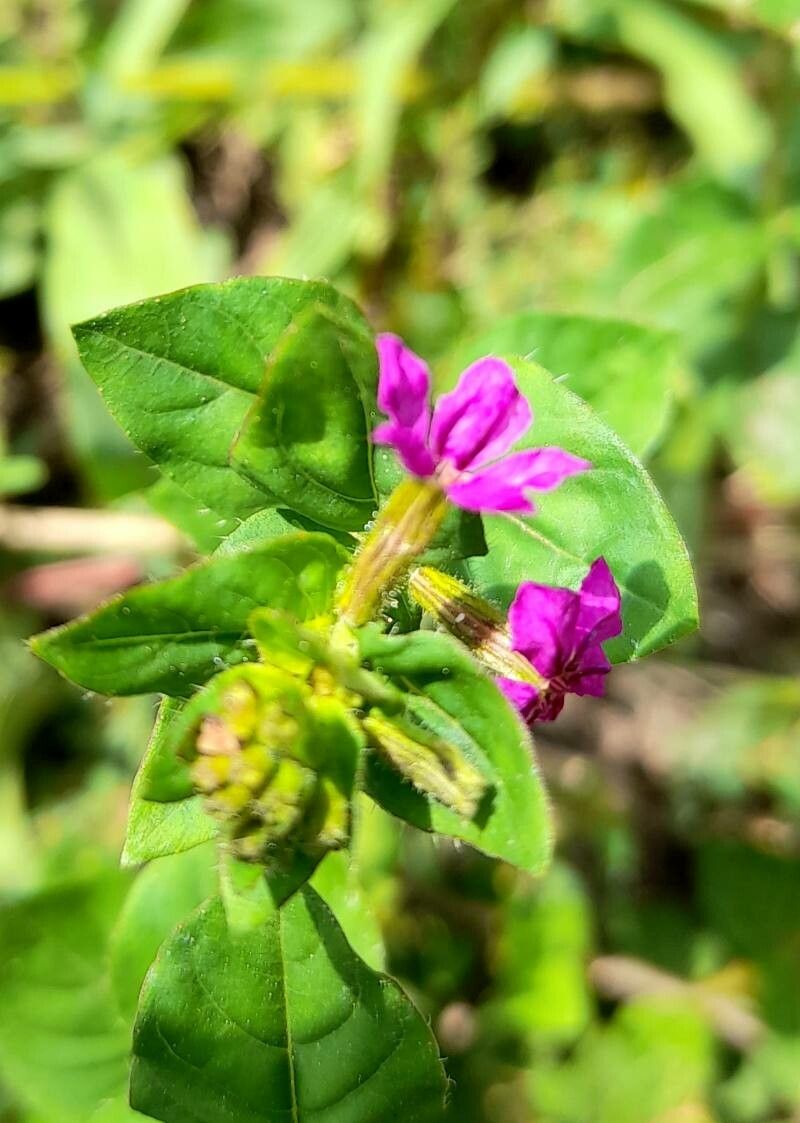
Oh, Cuphea calophylla! What a delightful little plant. I’ve spent many happy hours admiring its delicate, often tubular, flowers that buzz with tiny pollinators. It’s like a little jewel in the garden, isn’t it? Its cheerful blooms, often in shades of pink, purple, or red, can brighten up any corner. And guess what? Propagating it is actually quite achievable, even for those just dipping their toes into the wonderful world of gardening. I’d say it’s a moderately easy plant to propagate, which makes the reward of seeing those new little ones grow even sweeter.
The Best Time to Start
For Cuphea calophylla, the absolute best time to take cuttings is during its active growing season. Think late spring through early summer. The plant is full of vigor then, and those new, semi-hardwood stems are usually brimming with the potential to root. You’ll be looking for stems that have started to firm up a bit, but aren’t tough or woody.
Supplies You’ll Need
Here’s what you’ll want to have on hand to get started:
- Sharp pruning shears or a clean knife: For making clean cuts.
- Rooting hormone (optional but recommended): A powder or gel that helps encourage root development.
- Well-draining potting mix: A mix of peat moss, perlite, and a bit of regular potting soil works wonders. You can also buy specialized seed starting or cutting mixes.
- Small pots or propagation trays: With drainage holes, of course!
- Plastic bags or a propagation dome: To create a humid environment.
- Watering can or spray bottle: For gentle watering.
Propagation Methods
I’ve found that stem cuttings are the most reliable way to go with Cuphea calophylla. Here’s how I do it:
- Take Your Cuttings: On a bright, sunny morning, select healthy, non-flowering stems. You want pieces that are about 4-6 inches long. Use your clean shears or knife to make a clean cut just below a leaf node. A leaf node is that little bump on the stem where leaves emerge.
- Prepare the Cuttings: Gently remove the lower leaves from your cutting, leaving just a few at the top. This prevents them from rotting when you stick them in the soil. If you’re using rooting hormone, dip the cut end into the powder or gel now. Give it a gentle tap to remove any excess.
- Plant Your Cuttings: Fill your small pots or trays with your well-draining potting mix. Make a small hole with your finger or a pencil. Carefully insert the cut end of the stem into the hole, ensuring the leaf node (where you removed the leaves) is below the soil surface. Gently firm the soil around the stem.
- Create Humidity: Water your cuttings lightly. Then, cover the pots with a plastic bag or place them under a propagation dome. This traps humidity, which is crucial for rooting. Make sure the plastic bag doesn’t touch the leaves too much – poke a few holes if needed.
- Find a Good Spot: Place your potted cuttings in a bright location with indirect light. Avoid direct sun, which can scorch them.
The “Secret Sauce” (Pro Tips)
After years of fiddling with plants, I’ve picked up a few little tricks that seem to make a difference for Cuphea calophylla:
- Bottom Heat is Your Friend: If you have access to a heat mat, placing your propagation pots on it can really speed up the rooting process. It mimics the warmth of spring soil and encourages those roots to get going.
- Don’t Let Leaves Submerge: This is a big one, especially if you ever try water propagation (though I find soil is easier for this one). If any leaves are submerged in water or resting on wet soil for too long, they’ll likely rot, taking your cutting with them. Keep those leaves high and dry!
- Patience with the Push Test: You won’t see roots overnight. Resist the urge to tug on your cuttings to check. Instead, gently give the stem a very light wiggle after a few weeks. If you feel resistance, that’s a good sign roots are forming.
Aftercare & Troubleshooting
Once you start to see new growth on your cuttings, that usually means roots are developing! You can gently try to tease out a tiny bit of soil to see them, or wait until you feel that resistance when you gently pull upwards. At this point, you can gradually acclimate them to lower humidity by opening the bag or dome a bit more each day. Continue to keep them in bright, indirect light and water them when the top inch of soil feels dry.
The most common issue you’ll encounter is rot. If a cutting turns black and mushy, it’s best to discard it. This usually happens due to too much moisture, poor drainage, or lack of airflow. Make sure your soil is airy and don’t overwater!
A Encouraging Closing
Propagating Cuphea calophylla is a truly satisfying endeavor. It’s a reminder that the magic of gardening is in nurturing new life. Be patient with the process, observe your cuttings closely, and don’t be discouraged if not every single one makes it. The ones that do will bring you so much joy. Happy gardening!
Resource:
https://identify.plantnet.org/k-world-flora/species/Cuphea%20calophylla%20Cham.%20&%20Schltdl./data