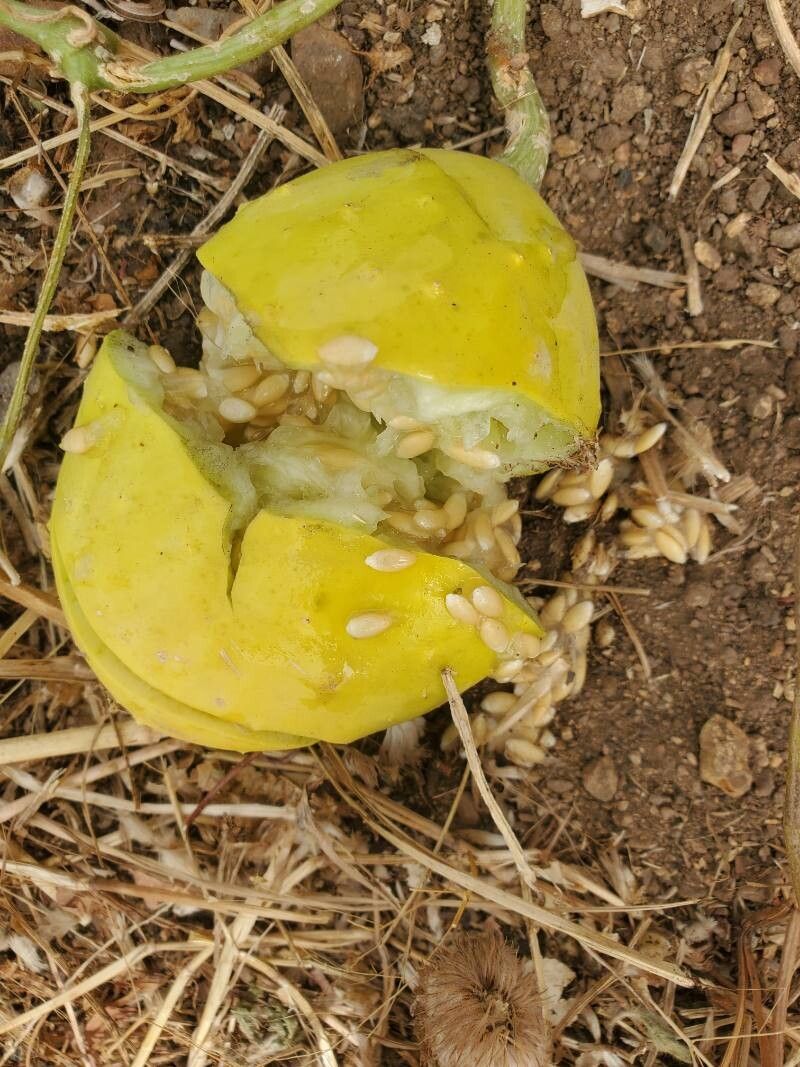
Hello, fellow plant enthusiasts! It’s so lovely to connect with you again. Today, we’re diving into a plant that’s captured my heart over the years: Cucumis pustulatus. You might know it by its common names, like the “African horned cucumber” or “kiwano.” It’s this wonderfully unique melon with spiky, orange fruit that looks like it belongs in another galaxy. Growing them is a real kick, and propagating them is even more satisfying. It’s a fun project, and honestly, I find it quite manageable for beginners if you give it a little mindful attention.
The Best Time to Start
For Cucumis pustulatus, the sweet spot for propagation is as the plant is actively growing. Think late spring or early summer. You want healthy, vigorous stems to work with. Trying to take cuttings when the plant is stressed or dormant just won’t yield the best results. Patience here pays off!
Supplies You’ll Need
Gathering your supplies beforehand makes the whole process smoother. Here’s what I usually have on hand:
- Sharp pruning shears or a clean knife: For making precise cuts.
- Rooting hormone (optional but recommended): Especially for stem cuttings. Look for one formulated for herbaceous cuttings.
- Sterile potting mix: A good blend is one part perlite to two parts peat moss or coco coir. This ensures excellent drainage.
- Small pots or seed trays: Clean ones are crucial to prevent disease.
- Plastic bags or a propagator: To create a humid environment for cuttings.
- Watering can with a fine rose: For gentle watering.
- Labels: To keep track of your little babies!
Propagation Methods
While Cucumis pustulatus can be grown from seed, I find propagating it from stem cuttings to be incredibly rewarding and frankly, quite easy.
Stem Cuttings:
- Select your source material: Choose a healthy, non-flowering stem from a mature plant. Look for a stem that has no flowers or developing fruit on it, as these take energy away from root formation. Aim for a piece that’s about 4-6 inches long.
- Make the cut: Using your sharp pruning shears or knife, make a clean cut just below a leaf node (where a leaf attaches to the stem). This is where root development is most likely to occur.
- Prepare the cutting: Gently remove the lower leaves, leaving just a couple of leaves at the very top. This reduces water loss. If you’re using rooting hormone, dip the cut end into it, tapping off any excess.
- Potting up: Fill your small pots with the sterile potting mix. Make a small hole in the center of the mix with your finger or a pencil.
- Planting the cutting: Insert the cut end of the stem into the hole, ensuring it’s snug. You want at least one leaf node buried in the soil.
- Initial watering and environment: Water gently to settle the soil around the cutting. Then, cover the pot loosely with a plastic bag or place it in a propagator. This creates a mini-greenhouse effect, keeping humidity high which is key for successful rooting.
The “Secret Sauce”
We all have our little tricks, don’t we? Here are a couple that have really helped me with Cucumis pustulatus:
- Bottom Heat is Your Friend: Cucumis pustulatus absolutely loves warmth. Placing your pots or propagator on a gentle heat mat can significantly speed up root formation. It mimics the soil temperature it would naturally find. You don’t want it scorching hot, just a cozy warmth.
- Don’t Drown Them: While cuttings need moisture, they don’t like sitting in soggy soil. Check the soil moisture regularly and water only when the top inch feels dry to the touch. Overwatering is a fast track to rot, and we don’t want that!
Aftercare & Troubleshooting
Once you see new growth emerging, it’s a good sign that roots are forming! You can gently tug on the cutting – if there’s resistance, you have roots.
- Acclimation: Gradually introduce your rooted cuttings to open air by opening the plastic bag a little more each day over a week. This helps them adjust to lower humidity.
- Repotting: Once they have a good root system and are growing strong, you can transplant them into slightly larger pots. Treat them like any other young cucumber seedling – plenty of light, water, and warmth.
- Troubleshooting: The most common issue is rot, which usually stems from overwatering. If your cutting turns brown and mushy, it’s likely a goner. Sometimes, cuttings simply fail to root. Don’t be discouraged! It can take time, and not every cutting will be successful. Just try again with fresh material.
Happy Propagating!
Watching a tiny cutting develop into a strong, new plant is truly one of gardening’s greatest joys. So, take a deep breath, gather your supplies, and give propagating Cucumis pustulatus a go. Be patient, observe your little cuttings, and remember that every gardener has had their share of failures – it’s all part of the learning process! You’ve got this!
Resource: