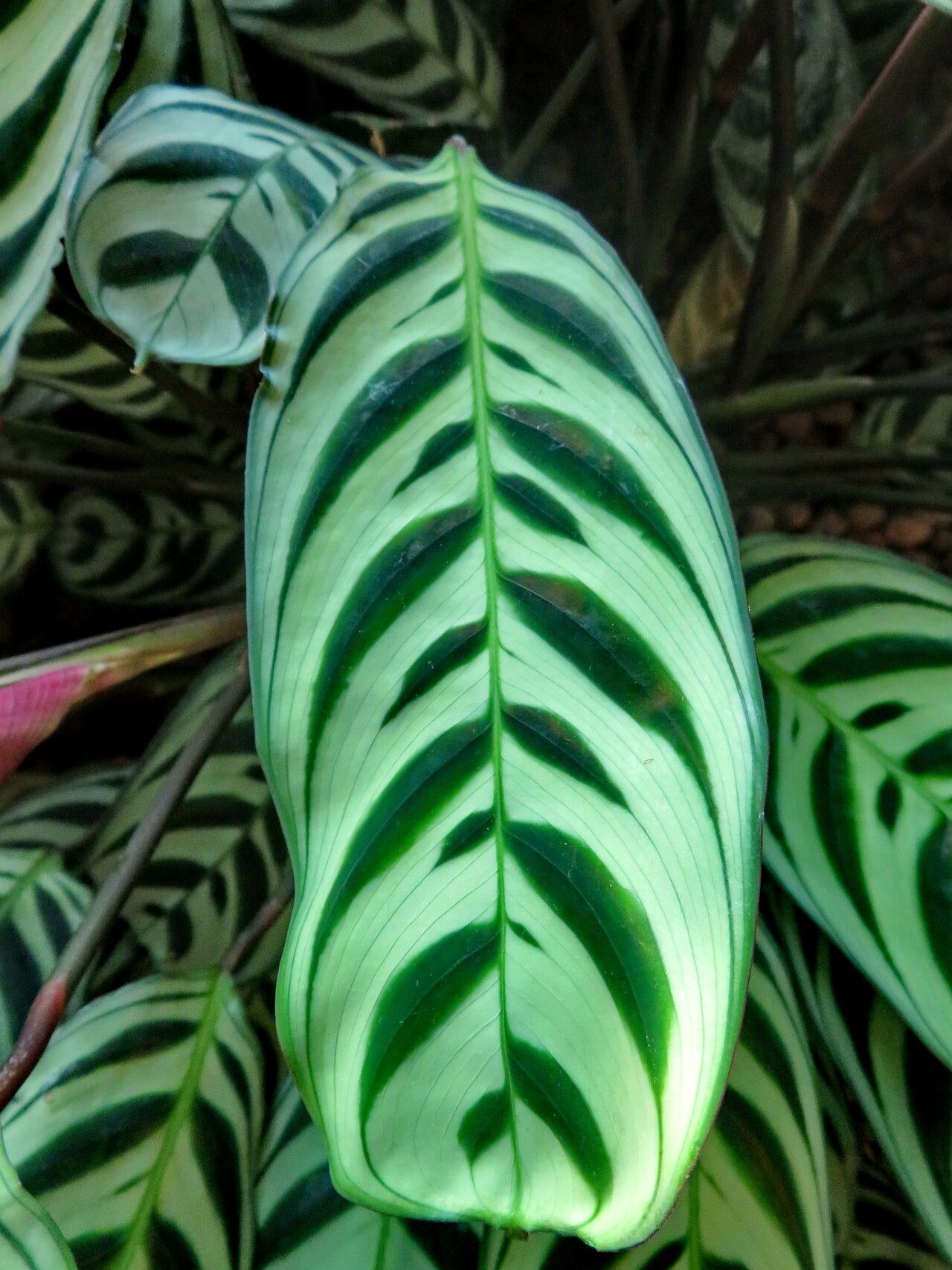
Oh, the magic of multiplying your plants! If you’ve ever admired the striking, arrow-shaped leaves of a Ctenanthe burle-marxii, with their vibrant green and contrasting dark markings, then you’re in for a treat. Propagating this beauty is a wonderfully rewarding way to share its charm or simply fill your home with more of its gorgeous foliage. And good news – for those of you just dipping your toes into the plant propagation pool, Ctenanthe burle-marxii is a pretty approachable plant to start with!
The Best Time to Start
When it comes to Ctenanthe burle-marxii, think active growth. This means spring and early summer are your golden windows. Your plant is buzzing with energy then, meaning it’s ready to send out new shoots and form roots with gusto. Trying to propagate in the dead of winter is like asking a sleepy bear to run a marathon – it’s just not the prime time for enthusiasm!
Supplies You’ll Need
Before we dive in, let’s gather our tools. It’s always good to have everything at hand:
- Sharp pruning shears or a clean, sharp knife: For making clean cuts.
- A well-draining potting mix: I like a blend of peat moss, perlite, and a little bit of regular potting soil. About a 1:1:1 ratio usually does the trick.
- Small pots or containers: Clean ones, of course! Terracotta pots are lovely because they breathe.
- Rooting hormone (optional but recommended): This really gives your cuttings a boost.
- A clear plastic bag or humidity dome: To keep things nice and steamy.
- Water: For keeping things hydrated.
- A spray bottle: For misting.
Propagation Methods
There are a couple of ways we can go about this, but my favorite for Ctenanthe burle-marxii is division. This plant naturally grows in clumps, making it perfect for this method.
Division:
- Gently remove your Ctenanthe from its pot. You might have to tap the sides a bit.
- Carefully tease apart the root ball. Look for natural divisions where a new shoot has its own set of roots emerging from the main clump.
- Use your fingers or a clean knife to separate each division. The key here is to ensure each piece has a good amount of roots attached.
- Pot each division into its own container. Use your well-draining potting mix. Make sure the crown of the plant (where the leaves emerge from the roots) is at or just slightly above soil level.
- Water gently. You want the soil to be moist but not soggy.
If you don’t have a mature, clumping plant, or you’re feeling adventurous, you can also try stem cuttings, though this can be a bit trickier with Ctenanthe.
Stem Cuttings (Use with a bit more patience!):
- Locate a healthy stem that has at least two or three leaf nodes (the little bumps where leaves grow out from).
- Make a clean cut just below a leaf node.
- Remove the lower leaves from the cutting.
- Dip the cut end in rooting hormone (if using).
- Insert the cutting into your prepared potting mix. Gently firm the soil around it.
- Water lightly.
- Cover the pot with a clear plastic bag or humidity dome. This is crucial for keeping the humidity high, which helps the cutting avoid drying out before it can form roots.
- Place in bright, indirect light.
The “Secret Sauce” (Pro Tips)
Alright, let’s talk about those little extra touches that can make a big difference.
- Don’t drown your cuttings! If you’re doing stem cuttings and have them straight in water (an alternative to soil), make sure no leaves are submerged. Leaves in water will just rot, and that’s not the kind of start you want for your new plant. It’s always better to have the node submerged.
- Bottom heat is your friend. For stem cuttings, placing the pot on a seedling heat mat can significantly speed up root development. It mimics the warmth of spring soil and encourages those roots to get going. Just a gentle warmth is all you need.
- Patience with Ctenanthe is key. These plants are a little slower to root than some other common houseplants. Don’t be discouraged if you don’t see new growth immediately. Give them time!
Aftercare & Troubleshooting
Once you see signs of new growth – a tiny leaf unfurling or more vigorous growth from your division – you’re on the right track!
- Gradually acclimate your new plants. If you’ve used a plastic bag for cuttings, start opening it up for increasing periods over a week or so to let them adjust to lower humidity.
- Continue to water as needed. Keep the soil consistently moist but not waterlogged. You’ll know it’s time to water when the top inch of soil feels dry to the touch.
- Watch for rot. The most common sign of failure is when cuttings or divisions develop mushy, black stems or roots, usually due to overwatering or poor drainage. If you see this, unfortunately, that particular piece is likely lost. Revise your watering habits for the remaining ones.
- Pests can show up too. Keep an eye out for common houseplant pests like spider mites or mealybugs. Treat them promptly with insecticidal soap or neem oil.
A Little Encouragement
Creating new life from your existing plants is one of the most satisfying aspects of gardening. Be patient with your Ctenanthe burle-marxii cuttings or divisions. They’ll reward your care with new growth. Enjoy watching them flourish – it’s a little piece of your gardening journey, multiplied! Happy propagating!
Resource:
https://identify.plantnet.org/k-world-flora/species/Ctenanthe%20burle-marxii%20H.Kenn./data