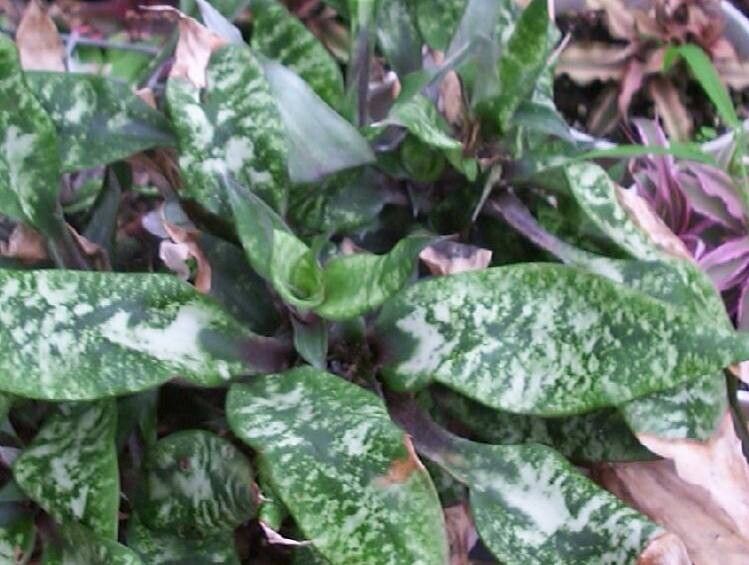
Hello, fellow plant lovers! Today, we’re diving into the wonderful world of Cryptanthus beuckeri, often called the “Earth Star” due to its stunning, star-shaped rosette and intricate patterns. I’ve been growing these little beauties for years, and let me tell you, they’re incredibly rewarding. Their jewel-like foliage brings such a unique splash of color and texture to any indoor garden. And the best part? Propagating them is a fantastic way to multiply your collection, and I’m excited to share how I do it. For beginners, I’d say Cryptanthus is definitely approachable, especially with a few key tips.
The Best Time to Start
The absolute best time to propagate Cryptanthus is during their active growing season. For most of us, that means late spring through summer. This is when the plant has the most energy to put into producing those lovely pups (baby plants) and for cuttings to root quickly. You’ll notice the plant looks plump and vibrant, and new growth is readily appearing.
Supplies You’ll Need
Here’s what I always have on hand when I’m propagating:
- Well-draining potting mix: A blend of potting soil, perlite, and coarse sand works beautifully. I often use a bromeliad-specific mix, which is perfect.
- Sharp, sterilized pruning shears or a sharp knife: Clean tools are essential to prevent disease.
- Small pots or trays: About 2-4 inches are ideal for young plants.
- Rooting hormone (optional but recommended): This can significantly speed up the process.
- Spray bottle: For gentle misting.
- Plastic bag or clear dome: To create a humid environment for cuttings.
- Labels: To keep track of what you’ve propagated!
- A bit of patience!
Propagation Methods
Cryptanthus are wonderfully versatile, and propagating them is usually done through division or by taking pups.
1. Dividing Pups (The Easiest Way!)
This is my go-to method because it’s so straightforward and successful. Cryptanthus naturally produce “pups” or offsets around the base of the mother plant.
- Gently remove the mother plant from its pot. You can do this by laying the pot on its side.
- Inspect the base of the plant. You’ll see small, well-formed baby plants attached to the parent.
- Carefully separate the pups. Use your sterilized shears or knife to cut the pup away from the mother plant, ensuring it has at least a few tiny roots attached, if possible. If the pup is very small, it might not have discernible roots yet, which is okay too.
- Pot up the pups. Fill your small pots with your well-draining mix. Make a small hole in the center and gently place the pup in, firming the soil around its base.
- Water lightly. Give the newly potted pup a gentle watering.
2. Taking Leaf Cuttings (A Bit More Advanced)
This method is a little less common for Cryptanthus compared to bromeliads with more fleshy leaves, but it can work! It requires a bit more patience and attention.
- Select a healthy, mature leaf. Choose a leaf that looks full of life.
- Make a clean cut. Using your sterilized shears or knife, cut the leaf off as close to the base of the plant as possible. You’ll want a piece that is at least 3-4 inches long.
- Apply rooting hormone. Dip the cut end of the leaf into rooting hormone, tapping off any excess.
- Plant the cutting. Insert the cut end about an inch deep into your well-draining potting mix.
- Create humidity. Water the soil lightly and cover the pot with a clear plastic bag or place it under a clear dome. This is crucial to keep the cutting from drying out.
The “Secret Sauce” (Pro Tips)
I’ve learned a thing or two over the years, and these little tricks really make a difference:
- “Mother Knows Best” Watering: When you repot a pup that’s just been separated, resist the urge to drench it. Water judiciously. You want the soil to be slightly moist but never soggy. Overwatering at this stage is the quickest way to invite rot. They are succulence plants, after all!
- Bottom Heat is Your Friend: Especially for leaf cuttings, a bit of bottom heat can be a game-changer. Placing your pots on a seedling heat mat set to a low temperature (around 70-75°F or 21-24°C) encourages faster root development. You don’t need it for pups, but it certainly doesn’t hurt!
- Air Circulation is Key: While we want humidity, good air circulation is equally important, especially for cuttings. If using a plastic bag, I’ll often poke a few small holes in it or lift it off for a few hours each day to let fresh air in. This helps prevent fungal issues.
Aftercare & Troubleshooting
Once your pups or cuttings are potted, treat them like any other young Cryptanthus. Keep them in bright, indirect light. Water them when the top inch of soil feels dry.
If you’re propagating pups, you should see them establish themselves and start showing new growth within a few weeks. For leaf cuttings, it could take longer, possibly several months. Be patient!
The most common problem you’ll encounter is rot. If a pup or cutting becomes mushy, black, or foul-smelling, it’s usually a sign of overwatering or a lack of air circulation. Unfortunately, you’ll likely need to discard that piece and reassess your watering and humidity levels for the remaining ones. Don’t get discouraged; it happens to the best of us!
A Encouraging Closing
Propagating Cryptanthus beuckeri is a rewarding journey, and with these steps, I’m confident you’ll have success. Remember to be patient, observe your plants closely, and enjoy the process of nurturing new life. Happy propagating!
Resource:
https://identify.plantnet.org/k-world-flora/species/Cryptanthus%20beuckeri%20É.Morren/data