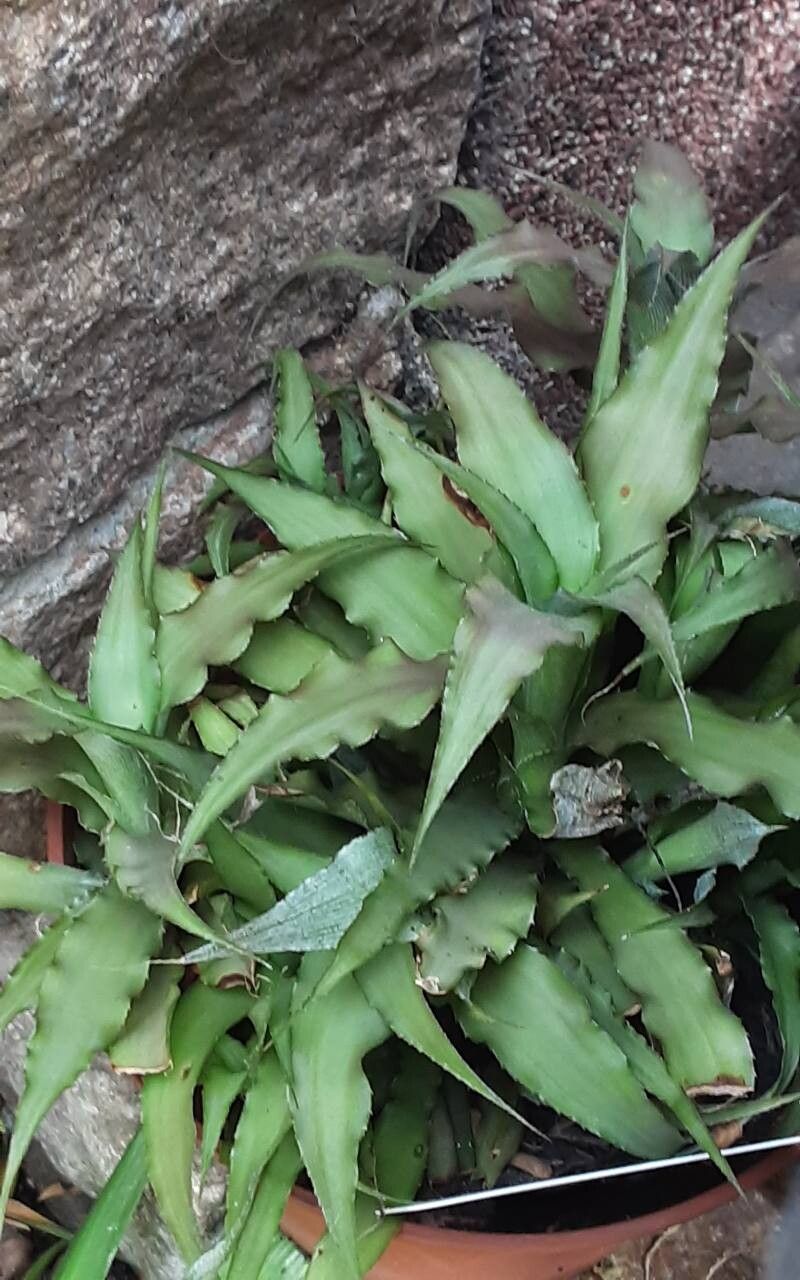
Hello fellow plant lovers! Today, we’re diving into the delightful world of Cryptanthus acaulis, those charming little earth stars. I’ve been growing these beauties for two decades, and let me tell you, they have a way of sneaking into your heart with their intricate patterns and vibrant colors. Watching a tiny pup unfurl into its own miniature masterpiece is incredibly satisfying. Don’t let their unique look intimidate you; propagating Cryptanthus acaulis is actually quite straightforward, making it a fantastic project for both seasoned growers and enthusiastic beginners.
The Best Time to Start
Spring is absolutely your best friend when it comes to Cryptanthus acaulis propagation. That’s when these plants are really hitting their stride, fueled by longer days and warmer temperatures. You want to propagate when the plant is actively growing and has plenty of energy to spare. This usually means from late spring through early summer. You’ll often see little “pups” or offsets appearing at the base of the mother plant during this time, making it the perfect opportunity.
Supplies You’ll Need
Before we get our hands dirty, let’s gather our essentials. Having everything ready makes the process so much smoother.
- Sharp Pruning Shears or a Knife: Cleanliness is key here to prevent any nasty infections.
- Well-Draining Potting Mix: A good blend for bromeliads or cacti and succulents works wonders. I often mix equal parts perlite, peat moss, and coarse sand.
- Small Pots or Trays: For your new little babies.
- Rooting Hormone (Optional but Recommended): This can give your cuttings a real boost.
- Spray Bottle: For gentle watering.
- Clear Plastic Bag or Dome (Optional): To create a humid environment.
- Labels: To keep track of your propagations!
Propagation Methods
Cryptanthus acaulis are wonderfully generous, and the most common and successful way to propagate them is through division. They naturally produce offsets, which are essentially baby plants that grow from the base of the parent.
Method: Division of Offsets
- Inspect Your Plant: Carefully examine the base of your mature Cryptanthus. You’re looking for small plantlets, often called pups, that have formed their own tiny leaves and are emerging from the soil around the mother plant. Ideally, these pups should be at least a quarter of the size of the mother plant.
- Gently Loosen the Soil: Use a chopstick or your finger to gently loosen the soil around the base of the pup you want to separate.
- Separate the Pup: With your clean pruning shears or knife, carefully cut the pup away from the mother plant, making sure to get a bit of its own root system attached if possible. If a pup has no visible roots yet, don’t worry, it will develop them.
- Allow to Callus (Optional but Recommended): If you’ve taken a pup with no roots or if the cut surface looks wet, it’s a good idea to let it air dry for a day or two in a shaded, dry spot. This helps the cut end callus over, which reduces the risk of rot.
- Potting Up: Fill your small pots with your well-draining potting mix. Make a small hole in the center.
- Plant the Pup: Gently place the base of the Cryptanthus pup into the hole. If using rooting hormone, dip the cut end into it before planting. Firm the soil gently around the base.
- Initial Watering: Water very lightly. You want the soil to be barely moist, not soggy. A spray bottle is excellent for this initial watering.
- Provide Humidity: Place the pot in a clear plastic bag or under a dome to create a humid environment. Make sure the leaves don’t touch the plastic if you’re using a bag, as this can lead to rot.
The “Secret Sauce” (Pro Tips)
After years of trial and error, a few little tricks really make a difference.
- Don’t Overwater, Ever! This is the golden rule for Cryptanthus. They prefer to dry out slightly between waterings. Soggy soil is the fastest way to lose a new propagation to rot. I usually water sparingly every week or two in the initial stages, checking the soil moisture with my finger.
- Bottom Heat is Your Friend: If you can, placing your newly potted pups on a seedling heat mat set to a low temperature (around 70-75°F or 21-24°C) can dramatically speed up root development. It mimics the warmth of spring soil and gives them a real energy boost.
- Patience is a Virtue (and a Requirement): These guys aren’t the fastest growers. Don’t get discouraged if you don’t see new growth immediately. It can take several weeks, sometimes even a couple of months, for a pup to establish itself and start showing significant growth.
Aftercare & Troubleshooting
Once your pup has started to put out new leaves, it’s a good sign the roots are developing nicely. Continue to water sparingly, allowing the soil to dry out slightly between waterings. Gradually acclimate it to slightly less humidity as it grows.
The most common issue you’ll encounter is rot. This usually happens from overwatering or poor drainage. If you see the leaves turning mushy, brown, and falling off, it’s a sign of rot. Sadly, a plant that has rotted is usually a goner. To prevent this, always use a gritty, well-draining mix and be mindful of your watering. If you catch rot early on a pup, you might be able to cut away the affected parts and try to let it callus and reroot, but it’s a long shot. Another sign to watch for is a lack of growth over an extended period, which might indicate no roots have formed or the conditions aren’t ideal.
A Warm Send-off
Propagating Cryptanthus acaulis is a wonderfully rewarding journey. It’s all about observation and patience. Don’t be afraid to experiment a little, and most importantly, enjoy the process of nurturing these miniature desert wonders. You’ve got this! Happy growing!
Resource:
https://identify.plantnet.org/k-world-flora/species/Cryptanthus%20acaulis%20(Lindl.)%20Beer/data