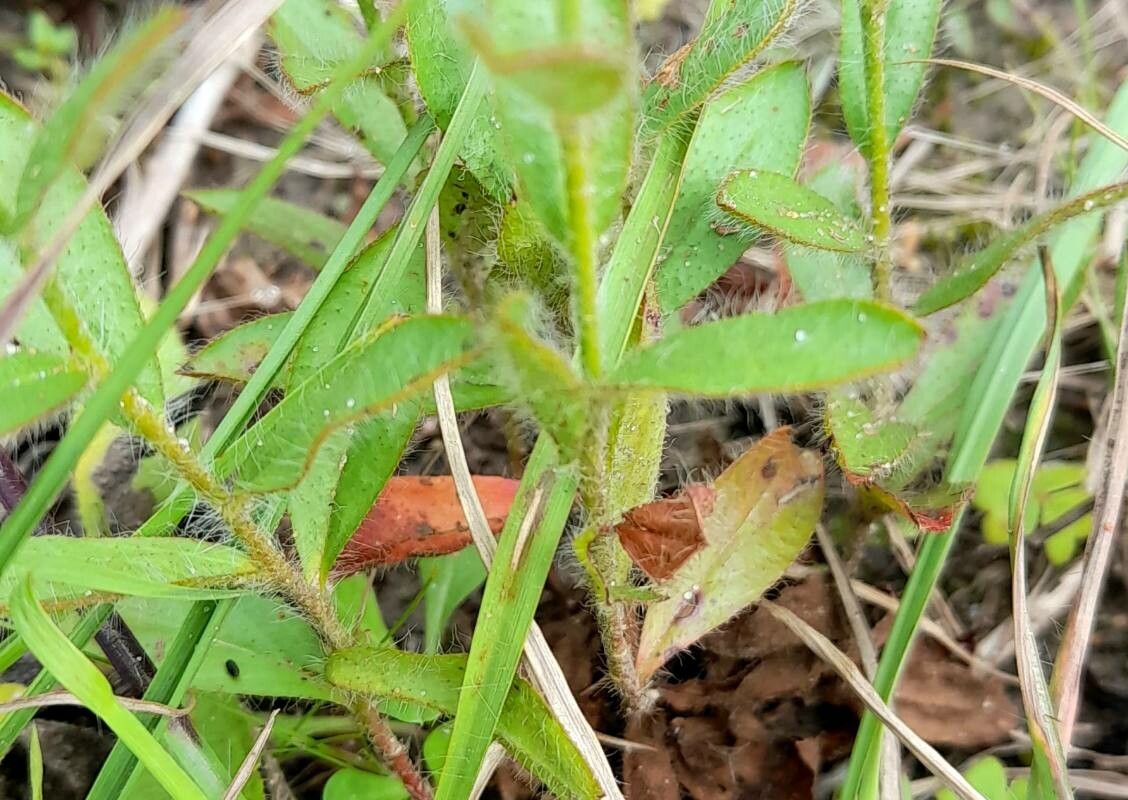
Hello, fellow plant lovers! Today, I want to talk about a true gem in the garden: Crocanthemum brasiliense. If you haven’t had the pleasure, imagine vibrant, cheerful flowers that seem to drink in the sunshine, tumbling over pots or spilling out of borders. They bring such a lift to any space!
Propagating these beauties is a wonderfully rewarding experience. Watching a tiny cutting transform into a thriving plant is pure magic, and honestly, it’s not as intimidating as you might think. For beginners, I’d say Crocanthemum brasiliense is moderately easy to propagate, offering a good chance of success with a little care.
The Best Time to Start
For the highest success rate, late spring to early summer is your sweet spot. This is when your Crocanthemum brasiliense is actively growing and has plenty of energy to put into developing new roots. You’ll want to take cuttings from healthy, non-flowering stems – those vibrant green shoots are packed with potential.
Supplies You’ll Need
Before we get our hands dirty, let’s gather our tools:
- Sharp pruning shears or a clean, sharp knife: For making clean cuts.
- Rooting hormone (optional but recommended): Helps speed up the process. I prefer a powdered or gel form.
- A well-draining potting mix: A good standard is a mix of peat moss and perlite, or you can buy a specific cutting mix.
- Small pots or trays with drainage holes: For your new, tiny plants.
- A watering can with a fine rose or a spray bottle: For gentle watering.
- Plastic bags or a propagation dome (optional): To create a humid environment.
- Labels and a marker: To keep track of what you’ve planted!
Propagation Methods
I find stem cuttings to be the most reliable way to propagate Crocanthemum brasiliense. Here’s how I do it:
- Take Your Cuttings: In late spring or early summer, select a healthy stem that has started to harden off a bit (not brand new, floppy growth, but not woody either). Using your clean shears, cut a piece about 4-6 inches long, making sure it has at least a couple of leaf nodes (where the leaves attach to the stem).
- Prepare the Cuttings: Gently remove the lower leaves from the cutting, leaving just the top few leaves. This prevents them from rotting when you place the cutting in soil or water. If the leaves are very large, you can even cut them in half horizontally.
- Apply Rooting Hormone (Optional): If you’re using rooting hormone, dip the cut end of the stem into the powder or gel, tapping off any excess.
- Planting:
- In Soil: Make a small hole in your prepared potting mix with a pencil or your finger. Insert the cut end of the stem into the hole, ensuring the nodes are below the soil surface. Gently firm the soil around the cutting.
- In Water (Less common for this plant, but possible): If you prefer water propagation, place the cut end of the stem in a jar of clean water, making sure no leaves are submerged.
- Water and Cover: Water the soil lightly until it’s just moist, not soggy. If you’re using a plastic bag or propagation dome, place it over the pot to create a mini-greenhouse effect. This helps retain moisture.
The “Secret Sauce” (Pro Tips)
Here are a couple of tricks I’ve picked up over the years that really make a difference:
- Choose the Right Stems: Don’t be tempted to take cuttings from actively flowering stems. You want plant material that’s focused on growth, not blooming. Look for those slightly firmer, green shoots.
- Bottom Heat is Your Friend: If you can, place your pots on a heated propagator mat. This gentle warmth from below encourages root development much faster than cooler ambient temperatures alone. It’s like a cozy bed for developing roots!
- Be Patient with Humidity: For cuttings in pots, that plastic bag or dome is crucial, but open it up for a few minutes each day to allow for air circulation. This prevents fungal issues and helps the plant adjust gradually.
Aftercare & Troubleshooting
Once your cuttings have been in their pots (or water) for a few weeks, you might start to see signs of new growth. This is a great indicator that roots are forming!
- Once Roots Appear: If you didn’t use a temporary cover, you can now mist the cuttings regularly or water them gently when the top soil feels dry. For those in water, you’ll see roots actually developing! You can transplant them into soil when the roots are about an inch long.
- Troubleshooting: The most common issue you’ll face is rot. If a cutting turns black and mushy, it’s unfortunately a goner. This usually happens due to overwatering or poor drainage. Ensure your soil is always well-draining and avoid letting the cuttings sit in soggy conditions. If you see yellowing leaves on your cuttings, and they are in soil, it could be a sign they need a little more light or are being overwatered.
A Word of Encouragement
Don’t be discouraged if not every cutting takes. Gardening is a journey, and sometimes nature has its own timing. Celebrate the successes, learn from the failures, and most importantly, enjoy the process of bringing more beauty into your life, one little Crocanthemum brasiliense at a time! Happy propagating!
Resource:
https://identify.plantnet.org/k-world-flora/species/Crocanthemum%20brasiliense%20(Lam.)%20Spach/data