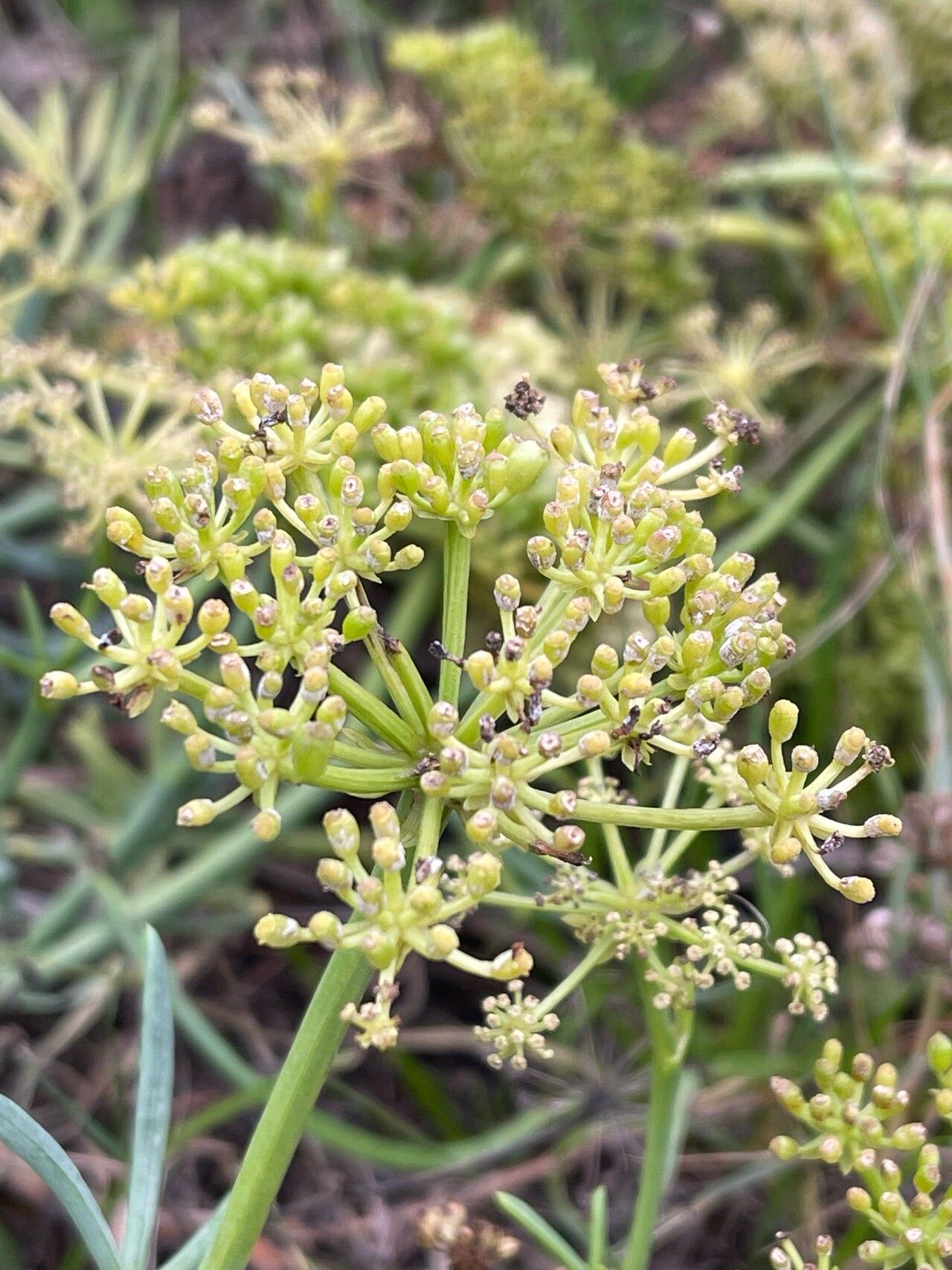
Oh, hello there! Come on in, grab a mug, and let’s chat about something truly special: Crithmum maritimum, also known as sea fennel. This resilient beauty, with its salty-sweet aroma and striking blue-green foliage, is a real gem for coastal gardens or anywhere you crave a touch of the seaside. It’s a bit of a darling in edible gardening too, with its peppery taste adding a unique zest to salads and seafood.
Now, you might be wondering if coaxing more of these beauties into existence is a challenge. I’ll be honest, it’s not quite as straightforward as whipping out a packet of seeds, but it’s wonderfully rewarding. With a little patience and a few key steps, you’ll be well on your way to a whole patch of sea fennel. Think of it as a delightful treasure hunt for your green thumb!
The Best Time to Start
My golden rule for propagating Crithmum maritimum? Spring is your absolute best friend. Aim for late spring, just as the plant is really waking up and putting on its new growth. You want to catch it when it’s full of vigour. Morning or early afternoon cuttings tend to be the most successful, as the plant is actively photosynthesizing and storing energy. Trying to do this in the heat of summer or the chill of autumn can make things a bit more of a struggle for newly formed roots.
Supplies You’ll Need
Before we get our hands dirty, let’s gather our tools. Having everything ready beforehand makes the whole process so much smoother.
- Sharp, clean pruning shears or a knife: For making those essential cuts. Sterilize them with rubbing alcohol to prevent nasty infections.
- Small pots or seed trays: Good drainage is key, so pots with drainage holes are a must.
- Well-draining potting mix: I like to use a mix of equal parts perlite, coarse sand, and a good quality seed-starting compost. Sea fennel hates being waterlogged, so this mix mimics its natural gritty habitat.
- Rooting hormone (optional but recommended): This gives your cuttings a little boost to get those roots developing. A powder or gel works well.
- Watering can or spray bottle: For gentle watering.
- Plastic bag or propagation dome: To create a humid environment for your cuttings.
- Labels: To keep track of what you’ve propagated and when!
Propagation Methods
The most reliable way I’ve found to propagate Crithmum maritimum is through stem cuttings. Division is also an option, but cuttings generally give you more new plants to play with.
Stem Cuttings:
- Take Your Cuttings: On a pleasant spring morning, select a healthy, non-flowering stem. Using your clean shears, cut a piece about 4-6 inches long. Make the cut just below a leaf node (where a leaf meets the stem). This is where roots are most likely to form.
- Prepare the Cuttings: Gently remove the lower leaves from the cutting. You want to expose a few of those leaf nodes, as this is where the magic happens. If any leaves are very large, you can trim them in half to reduce water loss.
- Apply Rooting Hormone (Optional): Dip the cut end of the stem into your rooting hormone, tapping off any excess.
- Plant Your Cuttings: Fill your pots or trays with your well-draining mix. Make a small hole in the soil with a pencil or your finger. Insert the prepared cutting into the hole, ensuring that at least one leaf node is buried in the soil. Gently firm the soil around the base of the cutting.
- Water Gently: Water the soil thoroughly but gently. You want it moist, not soggy. A spray bottle works well here to avoid disturbing the cuttings.
- Create Humidity: Place the potted cuttings in a plastic bag, sealing it loosely, or cover them with a propagation dome. This helps maintain the high humidity they need to root.
- Find a Bright Spot: Place the pots in a bright location, but out of direct, scorching sunlight. They’ll appreciate the warmth of an east-facing windowsill, for example.
The “Secret Sauce” (Pro Tips)
Now, here are a couple of little tricks I’ve learned over the years that really make a difference with Crithmum maritimum:
- Air Circulation is Crucial: While humidity is important, stagnant, damp air is the enemy of young cuttings. Every day, for a few minutes, lift the plastic bag or prop open the propagation dome to allow for fresh air to circulate. This helps prevent fungal diseases and rot.
- Bottom Heat is Your Friend: If you have a heated propagator or a seedling heat mat, using bottom heat can significantly speed up root development. A consistent warmth around 20-25°C (68-77°F) is ideal. It mimics the warmth of the soil in its natural environment.
- Don’t Overwater! This is probably the biggest pitfall. Sea fennel is adapted to dry, coastal conditions. Let the surface of the soil dry out slightly between waterings. It’s far better to underwater a little than to overwater and invite rot.
Aftercare & Troubleshooting
Be patient! It can take anywhere from 4 to 8 weeks for your cuttings to develop a good root system. You’ll know they’re ready when you gently tug on them and feel resistance, or you might even see tiny new leaves emerging.
Once roots have formed, gradually acclimate your new plants to normal humidity by slowly reducing the time they spend covered or in the humid environment. Then, you can transplant them into individual pots, using a slightly richer but still well-draining mix. Go easy on the watering at first, and then start to treat them as you would a mature Crithmum maritimum – plenty of sun and not too much water.
The most common sign of failure is rot. If your cuttings look mushy, blacken at the base, or simply refuse to show any signs of life after a long time, it’s usually a sign that the conditions were too wet. Don’t despair! It’s all part of the learning process. We simply try again.
A Encouraging Closing
So there you have it – a little guide to bringing more of that wonderful sea fennel into your garden. Remember, gardening is a journey, and propagation is a fantastic way to connect with your plants on a deeper level. Be patient, enjoy the process of nurturing these tiny cuttings, and celebrate each success. Happy propagating!
Resource:
https://identify.plantnet.org/k-world-flora/species/Crithmum%20maritimum%20L./data