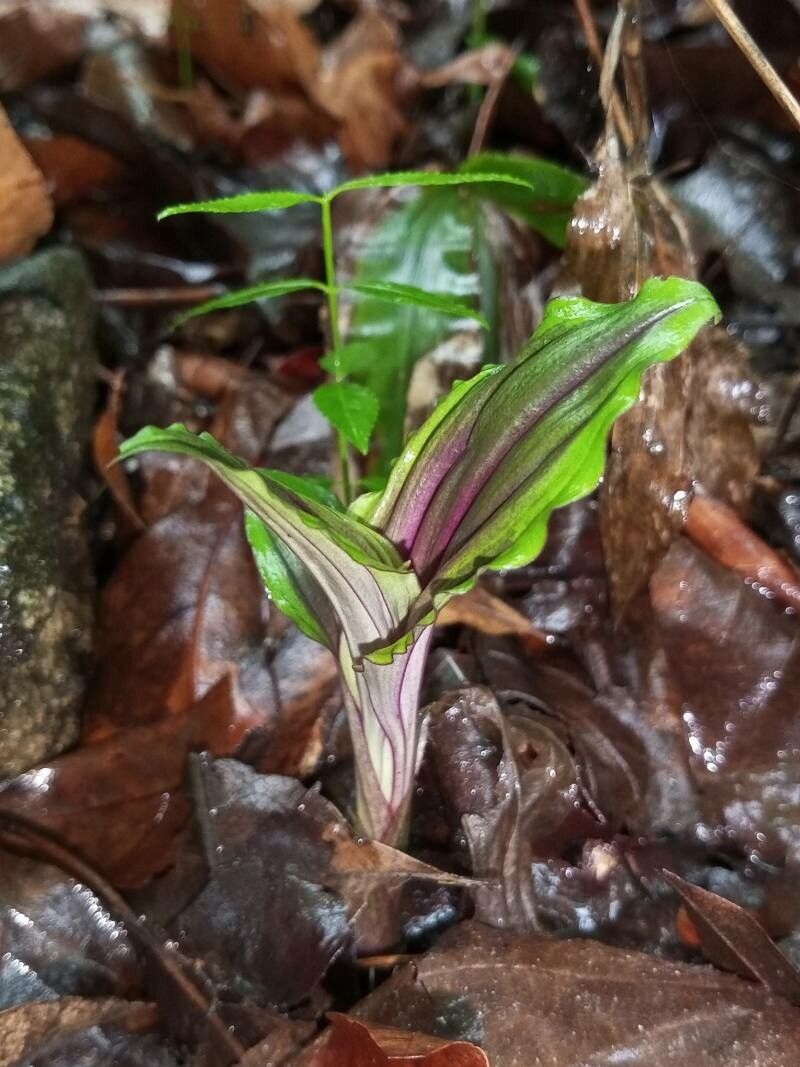
Hello fellow plant lovers! I’m so excited to chat with you today about a wonderfully charming orchid: Crepidium resupinatum. If you’ve ever admired its delicate, often miniature blooms and unique foliage, you know the joy this little gem can bring. And the even better news? Propagating it is not only possible but incredibly rewarding. It’s a fantastic way to expand your collection or share the orchid love with friends. While orchids can sometimes feel intimidating, I’ve found Crepidium resupinatum to be surprisingly cooperative, making it a delightful project even for those relatively new to the orchid world.
The Best Time to Start
Timing is definitely key when it comes to giving your new cuttings the best chance to thrive. For Crepidium resupinatum, the best time to propagate is definitely when the plant is in its active growing season. This typically means spring and early summer. You’ll see new shoots emerging and the plant showing vigorous growth. This is when it has the most energy and resources to dedicate to developing roots. Trying to propagate when the plant is dormant or stressed is just setting yourself up for disappointment.
Supplies You’ll Need
Gathering your supplies beforehand makes the whole process so much smoother. Here’s what I usually have on hand:
- Sterile Propagation Pot or Tray: Small individual pots or a seed tray work well.
- Well-Draining Potting Mix: A good orchid mix is essential. I often use a blend of orchid bark, perlite, and a little bit of sphagnum moss to retain some moisture while ensuring excellent drainage.
- Sharp, Sterilized Pruning Shears or a Knife: Clean tools are paramount to prevent disease.
- Rooting Hormone (Optional but Recommended): A powdered or liquid hormone can give cuttings a boost.
- Small Watering Can or Mister: For gentle watering.
- Clear Plastic Bag or Propagator: To create a humid environment for your cuttings.
- Labels and a Pen: Crucial for keeping track of what you’ve propagated.
Propagation Methods
There are a couple of ways to go about propagating your Crepidium resupinatum. I’ve had the most success with division and stem cuttings.
1. Division: The Natural Approach
This is often the easiest method, especially if your plant has become a bit crowded.
- Gentle Removal: Carefully remove the Crepidium resupinatum from its pot. If it’s tightly packed, you might need to gently tease apart the roots with your fingers.
- Identify Growth Points: Look for distinct sections of the plant. Each section should have at least one healthy pseudobulb (the swollen stem base) and a few leaves. You’ll also want to see some healthy roots attached.
- Make the Cut: Using your sterilized shears or knife, carefully separate the divisions. Make sure each piece has enough pseudobulbs and roots to sustain itself.
- Potting Up: Pot each division into its own small pot with your prepared orchid mix. Make sure the roots are spread out and the pseudobulbs are sitting just at the surface of the mix.
- Initial Watering: Water gently and place the newly potted divisions in a humid location.
2. Stem Cuttings: For a Bit More Patience
This method requires a bit more finesse but can yield great results.
- Select Your Cutting: From a healthy, established Crepidium resupinatum, identify a stem that has at least two or three healthy nodes. A node is a slight swelling on the stem where leaves emerge.
- Make the Cut: Using your sterilized tool, make a clean cut just below a node. You can also take cuttings that include a small portion of the pseudobulb, if available.
- Prepare the Cutting: If using powdered rooting hormone, lightly dip the cut end into it. If using liquid hormone, follow the product instructions.
- Planting: Insert the cut end of the stem into your propagation pot filled with the well-draining mix. Ensure at least one node is buried under the surface.
- Create Humidity: Cover the pot with a clear plastic bag or place it in a propagator to create a humid microclimate. This is crucial for cuttings to root successfully.
The “Secret Sauce” (Pro Tips)
Here are a few things I’ve learned over the years that really make a difference:
- Don’t Overwater New Cuttings: This is probably the most common mistake! New cuttings don’t have roots yet to absorb much water, so the potting mix should remain barely moist, not soggy. Soggy conditions are a direct invitation for rot.
- Bottom Heat is Your Friend: Orchids, especially when propagating, love a little warmth from below. Placing your pots or propagator on a gentle heating mat specifically designed for plants can significantly speed up root development. It mimics the cosy conditions they love.
- Patience with Pseudobulbs: If your cutting includes a pseudobulb, remember that it’s a storage unit for energy. Even if the leaves look a bit sad initially, the pseudobulb can often sustain the cutting until new roots form, so give it time to work its magic.
Aftercare & Troubleshooting
Once you see signs of new root growth (you might see them peeking out from the drainage holes or through the surface of the media), it’s time to transition to more standard care.
- Gradual Acclimation: Slowly start to reduce humidity by opening the bag or propagator a little more each day over a week or so.
- Gentle Watering: Continue to water sparingly but consistently, allowing the potting mix to dry out slightly between waterings.
- Light: Place your new plants in a spot with bright, indirect light. Avoid direct sun, which can scorch delicate new growth.
The most common sign of failure you’ll encounter is rot. This usually manifests as mushy, black stems or leaves. If you spot rot, it’s often best to discard the affected cutting to prevent it from spreading. Poor root development or a failure to produce new growth can also indicate issues, but often it simply means the cutting wasn’t viable or the conditions weren’t quite right for it to take off. Don’t be discouraged; learning goes hand-in-hand with gardening!
A Encouraging Closing
So there you have it! Propagating Crepidium resupinatum is a wonderfully satisfying endeavor. Remember to be patient with your little green charges. Success in gardening is often a journey of steady growth and learning. Enjoy the process, celebrate every new leaf and root, and soon you’ll have even more of these miniature marvels to cherish. Happy propagating!
Resource: