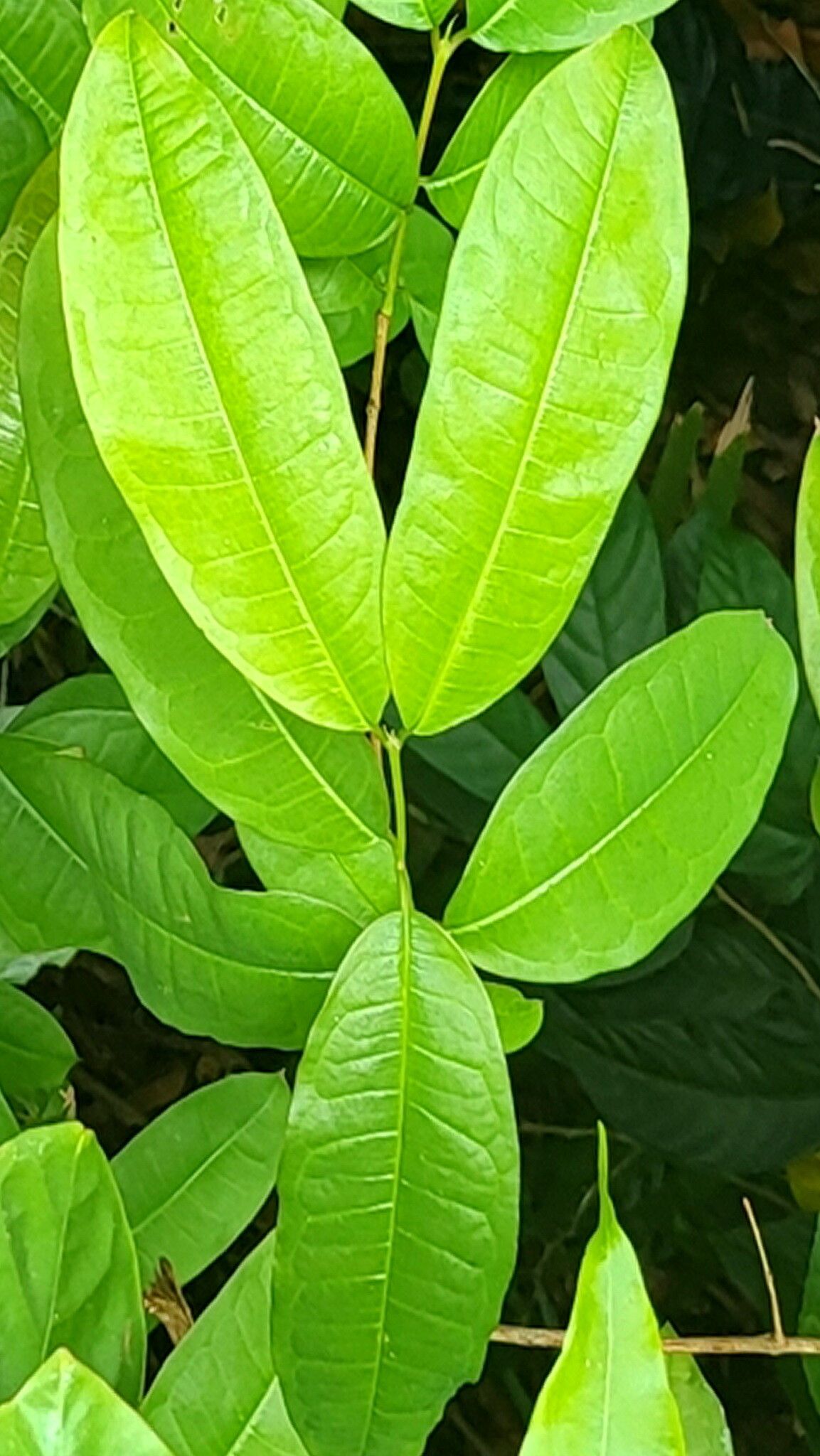
Oh, hello there! Come on in, pull up a chair. Today, we’re diving into the wonderful world of propagating Cratoxylum formosum, a plant that really captures your heart with its delicate blossoms and lovely foliage. If you’ve ever admired this beauty in someone’s garden or a local nursery and wished you could have more of it, well, you’re in for a treat! Propagating it is a truly rewarding experience, like nurturing a tiny miracle you’ve helped bring to life.
Now, I won’t lie to you – Cratoxylum formosum isn’t the absolute easiest plant for complete beginners to propagate on their very first try. It requires a little patience and attention to detail. But don’t let that deter you! With a bit of understanding and these straightforward steps, you’ll be well on your way to success. Think of it as a lovely challenge that pays off handsomely.
The Best Time to Start
For the highest chances of success with Cratoxylum formosum, I’ve found that spring or early summer is your golden window. This is when the plant is actively growing and has plenty of energy reserves. You’re looking for stems that are a mix of new, soft growth and slightly older, woodier material. Think of it as “semi-hardwood” cuttings. Avoid taking cuttings from plants that have just finished flowering or are stressed by extreme heat.
Supplies You’ll Need
Gathering your tools beforehand makes the whole process much smoother. Here’s what I always have on hand:
- Sharp Pruning Shears or a Craft Knife: A clean, sharp cut is crucial to prevent disease and encourage rooting.
- Rooting Hormone: While not strictly essential for all plants, it gives Cratoxylum formosum a significant
boost. Gel or powder forms work well. - Well-Draining Potting Mix: I like a mix of 50% perlite and 50% good quality potting soil, or a commercial seed starting mix enriched with perlite.
- Small Pots or Trays: Clean pots are a must! I prefer individual small pots (3-4 inches) to minimize transplant shock later.
- Plastic Bags or a Propagation Dome: To create a humid environment.
- Watering Can with a Fine Rose: For gentle watering.
- Labels: Don’t forget to label your cuttings! You’ll thank yourself later.
Propagation Methods
The most reliable way I’ve found to propagate Cratoxylum formosum is through stem cuttings. Here’s how I do it, step-by-step:
- Take Your Cuttings: On a pleasant spring or early summer morning, select healthy, non-flowering stems. Using your clean shears, cut stems that are about 4-6 inches long. Make the cut just below a leaf node – that little bump where leaves emerge from the stem. This is where the magic happens for root formation.
- Prepare the Cuttings: Gently remove the lower leaves from your cuttings. You want to leave at least 2-3 sets of leaves at the top. If you have very large leaves, you can even cut them in half to reduce water loss through transpiration. This is a trick I learned early on!
- Apply Rooting Hormone: Dip the cut end of each stem into your rooting hormone, tapping off any excess. This little bit of encouragement really helps.
- Plant Your Cuttings: Fill your clean pots with your well-draining mix. Make a small hole in the center of the soil with your finger or a pencil. Gently insert the base of the cutting into the hole, ensuring the rooting hormone stays on the cut end. Firm the soil around the stem gently.
- Create a Humid Environment: Water the soil thoroughly but gently. You want it moist, not soggy. Then, cover the pots with a plastic bag, securing it around the rim with a rubber band, or place them under a propagation dome. This creates a mini-greenhouse effect, which is vital for preventing the cuttings from drying out while they try to root.
- Provide Light and Warmth: Place your cuttings in a bright location, but out of direct, harsh sunlight. A spot on a windowsill that gets bright, indirect light is perfect. If your room is on the cooler side, consider placing them on a heat mat designed for propagation. This gentle warmth from below can significantly speed up the rooting process.
The “Secret Sauce” (Pro Tips)
Here are a few little things I’ve picked up over the years that really seem to make a difference for Cratoxylum formosum:
- Don’t Let the Leaves Touch the Water: If you opt for water propagation (which can work, but I find it a little less reliable for this plant), make sure no leaves are submerged. Any leaf in the water will rot and can take your cutting with it.
- Bottom Heat is a Game-Changer: As I mentioned, a gentle warmth from below is incredibly beneficial. It mimics the natural conditions the plant prefers and really encourages root development. You can buy small propagation mats for this purpose, and they’re well worth the investment if you plan to propagate more often.
- Be Patient with Air Circulation: Once you see signs of rooting, gradually start to increase air circulation. Open the plastic bag or dome for a few hours each day, slowly increasing the time over a week or two. This helps the new plant acclimatize to normal humidity levels and prevents fungal issues.
Aftercare & Troubleshooting
Once you start to see tiny roots emerging from the drainage holes of your pots, or you gently tug on a cutting and feel resistance (a sign of roots!), it’s time for a slight shift in care.
Continue to keep the soil consistently moist but not waterlogged. Gradually remove the plastic cover over a week or so. You can start feeding them with a diluted liquid fertilizer (about half strength) every 2-3 weeks once they’ve established. Transplant them into slightly larger pots when they have a good root system and are showing new growth.
What if things go wrong? The most common culprit is rot. This usually happens if the soil is too wet and there isn’t enough air circulation. You’ll see the stem turn black and mushy. If you spot this, unfortunately, that cutting is likely lost. Remove it immediately to prevent it from affecting others. Another sign of failure is a cutting that just wilts and never recovers. This could be due to being too dry, too much direct sun, or simply not rooting.
A Encouraging Closing
So there you have it! Propagating Cratoxylum formosum is a journey of patience and observation. Don’t get discouraged if your first few attempts aren’t picture-perfect. Every gardener has their learning curve, and that’s part of the beauty of it. Enjoy the process of nurturing these little snippets of life. Before you know it, you’ll have a whole new garden of these delightful blooms. Happy propagating!
Resource: