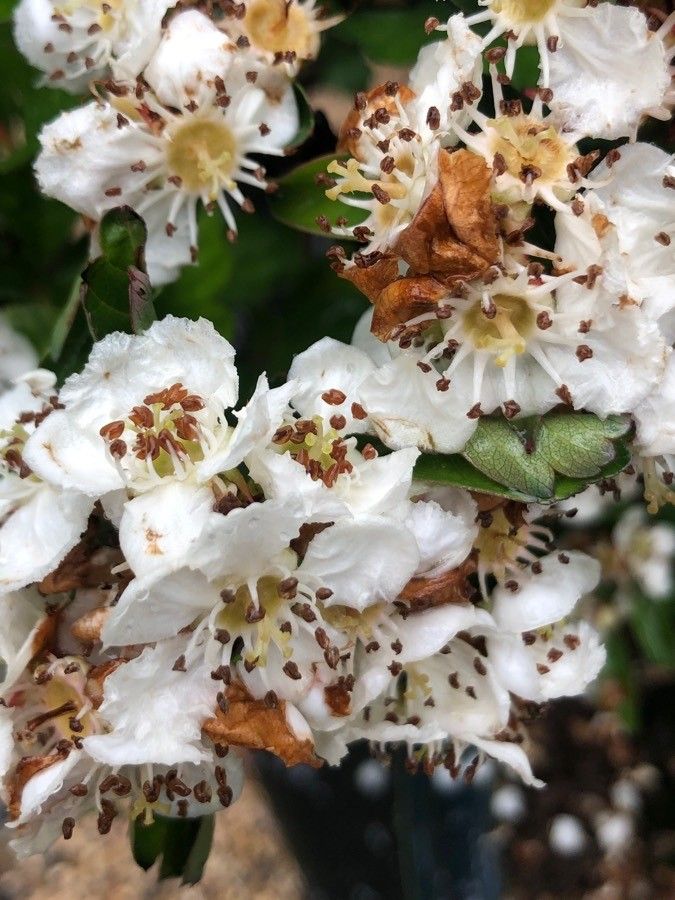
Hello, fellow plant lovers! If you’ve ever admired the subtle beauty of Crataegus cuneata, with its delicate white flowers and promise of little red fruits, you’re in for a treat. Growing more of these lovely hawthorns is incredibly satisfying. It’s like making friends with nature and sharing that friendship with others.
Now, I’ll be honest, Crataegus cuneata isn’t the absolute easiest plant for a complete novice to propagate. It requires a little finesse and patience. But don’t let that deter you! With a bit of practice and good guidance, you’ll be well on your way to success. Think of it as a rewarding challenge that truly pays off.
The Best Time to Start
For Crataegus cuneata, late spring to early summer is definitely your sweet spot. This is when the plant is actively growing, and the new shoots have had a chance to mature a bit. We’re looking for semi-hardwood cuttings – that means they’re no longer floppy green stems but haven’t fully lignified into hard wood. You can often tell by gently bending a stem; it should be firm but have a slight give.
Supplies You’ll Need
To set yourself up for success, gather these items:
- Sharp, clean pruning shears or a sharp knife: Crucial for making clean cuts that heal well.
- Rooting hormone: A powder or gel that encourages root development. Look for one formulated for woody cuttings.
- A well-draining potting mix: I like a blend of equal parts peat moss or coco coir, perlite, and coarse sand. This ensures good aeration and prevents waterlogging.
- Small pots or seedling trays: Clean pots are a must.
- Plastic bags or a propagation dome: To maintain humidity around your cuttings.
- Spray bottle: For misting.
- Labels and a pen: So you don’t forget what you’ve planted!
Propagation Methods
We’ll focus on stem cuttings, as this is generally the most reliable method for Crataegus cuneata.
Step 1: Take Your Cuttings. On a dry day, choose healthy, vigorous shoots from your established plant. Using your clean shears, take cuttings that are about 4 to 6 inches long. Make the cut just below a leaf node (where a leaf joins the stem).
Step 2: Prepare the Cuttings. Gently remove the lower leaves, leaving just two or three at the top. This prevents them from rotting in the soil and focuses the plant’s energy on root development. If you have any flowers or developing fruit buds, pinch those off too – they also drain energy.
Step 3: Apply Rooting Hormone. Dip the cut end of each stem into your rooting hormone, tap off any excess. This step is really important for woody cuttings.
Step 4: Plant Your Cuttings. Fill your clean pots with your well-draining potting mix. Make a pilot hole with a pencil or your finger, and gently insert the cut end of the cutting. Firm the soil around it. You can put 2-3 cuttings per small pot, or space them out in a tray.
Step 5: Create a Humid Environment. Water the soil gently. Then, cover the pot loosely with a plastic bag or place it under a propagation dome. This creates a mini-greenhouse effect, keeping the humidity high, which is vital for cuttings that can’t yet absorb water through their roots.
The “Secret Sauce” (Pro Tips)
Here are a couple of things I’ve learned over the years:
- Bottom Heat is Your Friend. While not strictly essential, using a heat mat under your pots can significantly speed up the rooting process. The warmth encourages root formation from the base. Just make sure the heat isn’t scorching.
- Don’t Overwater, but Don’t Let Them Dry Out. This is a delicate balance. The soil should feel consistently moist, but never soggy. Check it regularly and mist the leaves lightly if they start to look a bit droopy and the humidity feels low.
Aftercare & Troubleshooting
Once your cuttings are rooted – and this can take several weeks to a few months – you’ll notice new leaf growth. You can also try a gentle tug; if there’s resistance, you’ve got roots!
When roots have formed, gradually acclimatize your new plants to lower humidity by slowly opening the plastic bag or propagation dome over a week or so. Then, water them as you would any young plant, ensuring the soil dries out slightly between waterings. Keep them in a bright location, out of direct, scorching sun.
The most common problem you’ll encounter is rot. If you see your cutting turning brown and mushy, or developing mold, it’s a sign of too much moisture and/or poor air circulation. Sadly, these cuttings usually don’t recover. If you see a bit of wilting, it might be due to dehydration, but wilting combined with mushiness is usually rot.
A Encouraging Closing
Propagating Crataegus cuneata is a journey. Some cuttings will be successful, and some might not make it. Embrace the process, learn from each attempt, and celebrate the wins! Be patient, keep your tools clean, and enjoy the rewarding feeling of growing your own bit of hawthorn magic. Happy gardening!
Resource:
https://identify.plantnet.org/k-world-flora/species/Crataegus%20cuneata%20Siebold%20&%20Zucc./data