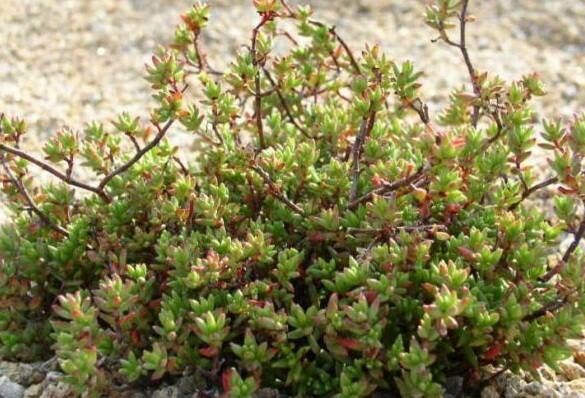
Oh, hello there, fellow plant lover! I’m so glad you’ve stopped by. Today, we’re going to dive into something truly satisfying: propagating Crassula biplanata. If you’ve ever admired those lovely, plump leaves of this succulent and wished you had more, you’re in luck. It’s a wonderfully rewarding process, and honestly, it’s quite forgiving, even for those just dipping their toes into the world of plant propagation. Watching a tiny piece of your favorite plant transform into a whole new life is pure magic, isn’t it?
The Best Time to Start
For Crassula biplanata, like most succulents, spring and early summer are your golden windows. This is when the plant is actively growing and has all the energy it needs to push out roots and new leaves. You’ll see the most vigorous growth and highest success rates when you start during these warmer months. Think of it as giving your cuttings the best possible start in life with sunshine and warmth.
Supplies You’ll Need
Gathering your tools beforehand makes the whole process so much smoother. Here’s what I always have on hand:
- Well-draining potting mix: A cactus and succulent mix is perfect. You can also make your own by combining potting soil with perlite or pumice.
- Sharp, clean pruning shears or a sharp knife: We want clean cuts to prevent infection.
- Rooting hormone (optional but helpful): This can speed up the rooting process, though many succulents root just fine without it.
- Small pots or trays: Terracotta pots are great because they breathe and help prevent overwatering.
- Watering can or spray bottle: For gentle watering.
- Gloves (optional): Some people find handling succulents a bit sticky.
Propagation Methods
Crassula biplanata is wonderfully versatile, and we have a couple of go-to methods that work like a charm:
1. Stem Cuttings: This is my absolute favorite and usually the most successful.
- Select a healthy stem: Look for a strong, mature stem that’s at least a few inches long.
- Make the cut: Using your clean shears or knife, make a clean cut right where the stem meets the main plant. Remove any lower leaves that might rot if they are in the soil.
- Let it callous: This is a crucial step! Lay the cutting on a dry surface for a few days (3-7 days is usually enough). You’ll see the cut end dry out and form a callus. This prevents rot when you plant it.
- Plant the cutting: Once calloused, gently insert the cut end into your prepared well-draining soil. You can dip the cut end in rooting hormone powder first if you’re using it. Don’t water immediately. Wait a week or so.
- Provide bright, indirect light: Place the pot in a spot that gets plenty of light but avoid direct, harsh sun while it’s trying to root.
2. Leaf Cuttings: While sometimes slower, it’s still a viable option for Crassula biplanata.
- Gently remove a healthy leaf: Wiggle a plump leaf from the stem until it detaches cleanly.
- Allow it to callous: Just like stem cuttings, let the leaf sit for a few days until the cut end is dry and calloused.
- Lay on soil: Place the calloused end of the leaf gently on top of your well-draining soil mix. The end doesn’t need to be buried.
- Mist lightly: You can lightly mist the soil around the leaf every few days. Avoid soaking it.
- Patience is key: You’ll eventually see tiny roots and a new plantlet emerge from the calloused end. This can take several weeks.
The “Secret Sauce” (Pro Tips)
Sometimes, it’s the little things that make a big difference, gathered over years of trial and error!
- Don’t rush the watering: I see beginners water too soon, which leads to rot. Wait until you’ve seen signs of new growth or actively feel roots before giving it a good drink. Before that, a light misting is all it needs.
- Bottom heat is your friend: If you’re propagating in a cooler room or during a slightly less-than-ideal time, a seedling heat mat can significantly speed up root development. Just place your pots on top of it.
- Handle with care, but don’t coddle: Succulents are tough cookies! While you want to be gentle, don’t be afraid to get your hands dirty. A little bit of firmness when planting helps ensure good contact between the cutting and the soil.
Aftercare & Troubleshooting
Once you see those first tiny roots emerging, congratulations! That’s the sign your cutting is happy.
- Continue with bright, indirect light. As it grows and develops more leaves, you can gradually introduce it to more direct sunlight, but always do so slowly to avoid sunburn.
- Water when the soil is dry. For a newly rooted plant, check the soil moisture by sticking your finger in about an inch deep. If it feels dry, it’s time for a good watering. Ensure excess water drains away.
- Watch for rot: The biggest enemy is overwatering. Mushy leaves or stems, blackening at the base are all signs of rot. If you see this, you might need to take cuttings from the healthy parts of the stem or leaf and start again, ensuring the soil is much drier.
- Pests are rare but possible: Keep an eye out for common succulent pests like mealybugs. If you spot any, a dab of rubbing alcohol on a cotton swab usually does the trick.
A Touch of Encouragement
Propagating plants is a journey, not a race. Be patient with your Crassula biplanata cuttings. Some might take longer than others, and that’s perfectly okay. Celebrate the small wins – a tiny root here, a new leaf there. Enjoy the process of nurturing a new life from a piece of your beloved plant. Happy propagating!
Resource:
https://identify.plantnet.org/k-world-flora/species/Crassula%20biplanata%20Haw./data