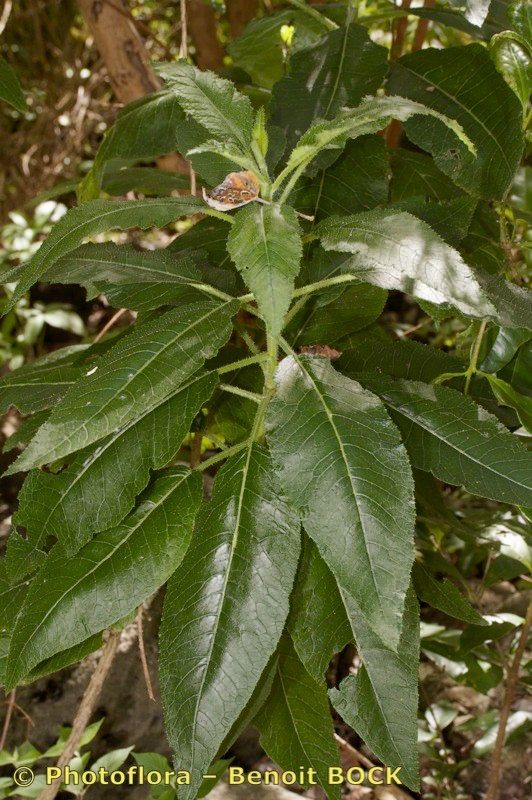
Greetings, fellow plant lovers! Today, we’re diving into the wonderful world of propagating Crambe pritzelii. If you’ve ever admired its delicate, airy blooms and thought, “I wish I had more of that!”, then you’re in the right place. This plant has a certain charm, a lovely grace that adds a touch of wild beauty to any garden. And the joy of successfully coaxing new life from a parent plant? It’s truly unparalleled.
Now, if you’re wondering if Crambe pritzelii is a newbie-friendly plant to propagate, I’d say it’s a moderately easy one. It’s not as fuss-free as some of the very common houseplants, but with a little attention to detail, you’ll be rewarded with little green babies in no time. Don’t let that discourage you; think of it as a gentle learning curve!
The Best Time to Start
For the most vibrant and successful propagation, I always aim for late spring to early summer. This is when the plant is actively growing and has plenty of energy to put into developing new roots. You’re looking for new, but not too soft, growth. Think of stems that have a bit of firmness to them, but aren’t woody yet.
Supplies You’ll Need
Gathering your supplies beforehand makes the whole process smoother. Here’s what I usually have on hand:
- Sharp, clean pruning shears or a sharp knife: For making neat cuts.
- Rooting hormone (optional but recommended): A little boost never hurt!
- A well-draining potting mix: I like a blend of peat moss, perlite, and some coarse sand.
- Small pots or seed trays: Terracotta pots are lovely because they allow the soil to breathe.
- Plastic bags or a propagation dome: To create a humid microclimate.
- A spray bottle with water: For misting.
- A dibber or pencil: To make holes for your cuttings.
Propagation Methods
Crambe pritzelii is most reliably propagated through stem cuttings. It’s a straightforward method that usually yields great results.
-
Take Your Cuttings: On a pleasant morning, select healthy stems that are about 4-6 inches long. Using your clean shears, make a clean, angled cut just below a leaf node. A leaf node is that small bump on the stem where a leaf emerges; this is where roots are most likely to form. Remove the leaves from the bottom half of the cutting, leaving just a couple at the very top.
-
Prepare the Cuttings: If you’re using rooting hormone, dip the cut end of each stem into the powder, tapping off any excess.
-
Plant Your Cuttings: Fill your pots or trays with your prepared potting mix. Use your dibber or a pencil to make small holes, about 1-2 inches deep, in the soil. Gently insert each cutting into a hole, making sure the leaf nodes you cleared are below the soil surface. Firm the soil gently around the base of the cuttings.
-
Create a Humid Environment: Water the soil thoroughly but avoid waterlogging. Then, cover the pots with a plastic bag, holding it open with a few sticks or chopsticks so it doesn’t touch the leaves, or use a propagation dome. This mini-greenhouse will keep the humidity high, which is crucial for cuttings that don’t yet have roots to absorb water. Place them in a bright spot, but out of direct sunlight.
The “Secret Sauce” (Pro Tips)
Here are a couple of things I’ve learned over the years that really make a difference:
- Don’t be afraid to make multiple cuttings. Not every single one will take, and that’s perfectly normal. The more you try, the better your chances of success.
- Bottom heat is your friend. If you have a heating mat designed for seedlings, placing your pots on it can significantly speed up root development. It mimics the warmth of the soil in its natural growing season.
- Gentle misting is key. Don’t drench the leaves constantly, but a light misting every day or two will keep them from drying out while they wait for roots to form.
Aftercare & Troubleshooting
Once you start to see signs of new growth, like little baby leaves unfurling or a gentle tug indicating roots have formed, it’s time to gradually acclimate your new plants. Start by removing the plastic bag or dome for increasing periods each day over a week or so. This hardens them off. Slowly introduce them to more light.
The most common issue you might encounter is rot. This usually happens if the soil stays too wet or the air circulation is poor. If you see any mushy stems or leaves turning yellow and falling off, it’s a sign that things are too damp. Pull out affected cuttings, allow the soil to dry slightly, and ensure better ventilation.
A Encouraging Closing
Propagating Crambe pritzelii is a rewarding journey that connects you more deeply with your plants. Be patient with the process; nature works on its own timeline. So grab your shears, get your hands in the soil, and enjoy the magical experience of creating new life. Happy propagating!
Resource:
https://identify.plantnet.org/k-world-flora/species/Crambe%20pritzelii%20Bolle/data