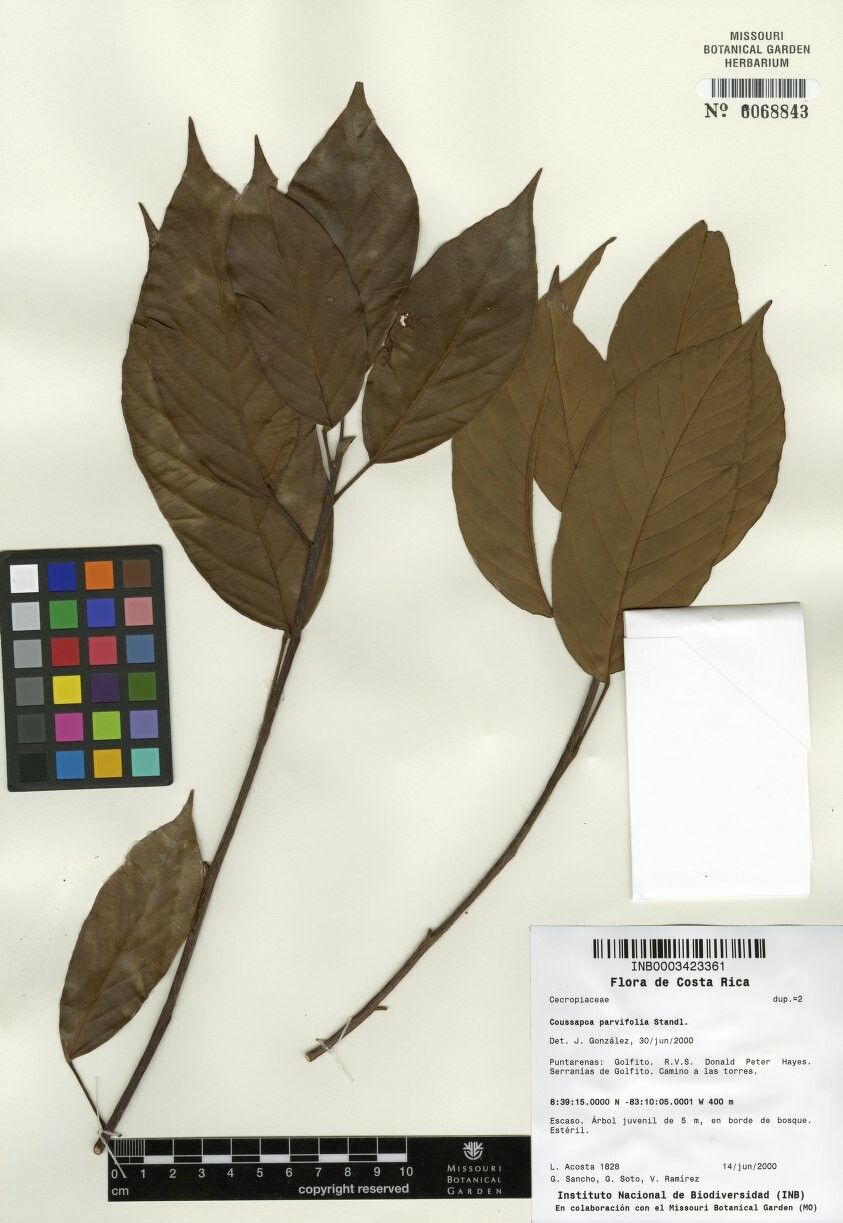
Oh, Coussapoa parvifolia! If you’ve ever admired its lush, leathery leaves and wondered, “Could I grow more of these?”, then you’re in for a treat. This little beauty can bring such a wonderful texture and practically jungle-like vibe to your space. And the joy of actually growing one from scratch? It’s incredibly satisfying, I promise. While it might seem a bit exotic, propagating Coussapoa parvifolia is actually quite attainable, even for those of us still building our green thumbs.
The Best Time to Start
Honestly, spring and early summer are your best friends when it comes to coaxing new life from your Coussapoa. During this time, the plant is actively growing, which means it’s got all the energy it needs to put into developing roots. Starting when the days are getting longer and warmer gives your cuttings a good head start and a robust growing season ahead.
Supplies You’ll Need
You don’t need a whole arsenal for this. Here’s what you should gather:
- Sharp, clean pruning shears or a knife: Sterilize them with rubbing alcohol to prevent disease.
- A well-draining potting mix: A blend of perlite, peat moss, and a bit of regular potting soil works wonderfully. You can also find specific succulent or cactus mixes that do the job.
- Small pots or containers: Clean ones, of course! Yogurt cups with drainage holes poked in the bottom can even work in a pinch.
- Rooting hormone (optional but recommended): Powdered or liquid forms are available. It gives your cuttings a little boost.
- A spray bottle: For keeping things humid.
- Plastic bag or a clear plastic dome: To create a mini-greenhouse effect.
Propagation Methods
I’ve found the most reliable way to propagate Coussapoa parvifolia is through stem cuttings. It’s straightforward and usually yields great results.
- Select a healthy stem: Look for a piece that’s about 4-6 inches long and has several sets of leaves. Avoid anything that looks weak or has signs of stress.
- Make the cut: Using your clean shears or knife, make a clean cut just below a leaf node (where a leaf attaches to the stem). A clean cut is crucial for good healing and root development.
- Prepare the cutting: Gently remove the lower leaves from the cutting. You want to expose at least one or two leaf nodes, as this is where new roots will emerge.
- Apply rooting hormone (if using): Dip the cut end of the stem into the rooting hormone, tapping off any excess. This step significantly increases your chances of success.
- Plant the cutting: Fill your small pot with your prepared potting mix. Make a small hole in the center with your finger or a pencil. Insert the cut end of the stem into the hole, ensuring the nodes are buried. Gently firm the soil around the stem to keep it upright.
- Water lightly: Give the soil a gentle watering until it’s just moist, not waterlogged.
- Create a humid environment: Cover the pot with a clear plastic bag or a plastic dome. This traps moisture and encourages the cutting to root. Make sure the leaves aren’t touching the sides of the bag if possible – that can lead to rot.
The “Secret Sauce” (Pro Tips)
Here are a couple of things I’ve learned over the years that really make a difference:
- Don’t let those leaves touch the water! If you’re going the water propagation route (though I find soil more reliable for Coussapoa), make sure no leaves are submerged. Rot is the enemy here, and those submerged leaves are an easy invitation.
- Bottom heat is your friend. If you have a heat mat designed for seedlings, placing your pots on it can significantly speed up root development. It mimics the warmth of spring soil, which is their natural cue to get growing. Your cuttings will be much happier and root faster.
Aftercare & Troubleshooting
Once your cutting is planted, give it a bright spot that receives indirect sunlight. Avoid direct sun, which can scorch the delicate new leaves. For the first few weeks, keep the soil consistently moist but not soggy. Mist the leaves occasionally if your home is particularly dry.
You’ll know your cutting has rooted when you see new leaf growth or feel a gentle resistance when you tug lightly on the stem. This usually takes anywhere from 4-8 weeks, sometimes longer.
The most common problem you might encounter is rot. If your cutting starts to look mushy or develop black spots, it’s likely too much moisture. Pull it out, inspect, and if it’s salvageable, trim away the rotted parts and try again with slightly drier soil. If the leaves turn yellow and fall off without any new growth appearing, it might not have rooted, or it wasn’t getting enough light.
A Encouraging Closing
Growing new plants is a journey, and patience is truly a gardener’s greatest virtue. Coussapoa parvifolia has a way of rewarding your efforts with its unique charm. Don’t be discouraged if your first attempt isn’t perfect. Keep experimenting, keep learning, and most importantly, enjoy the process of nurturing these little green wonders into their own beautiful lives. Happy propagating!
Resource:
https://identify.plantnet.org/k-world-flora/species/Coussapoa%20parvifolia%20Standl./data