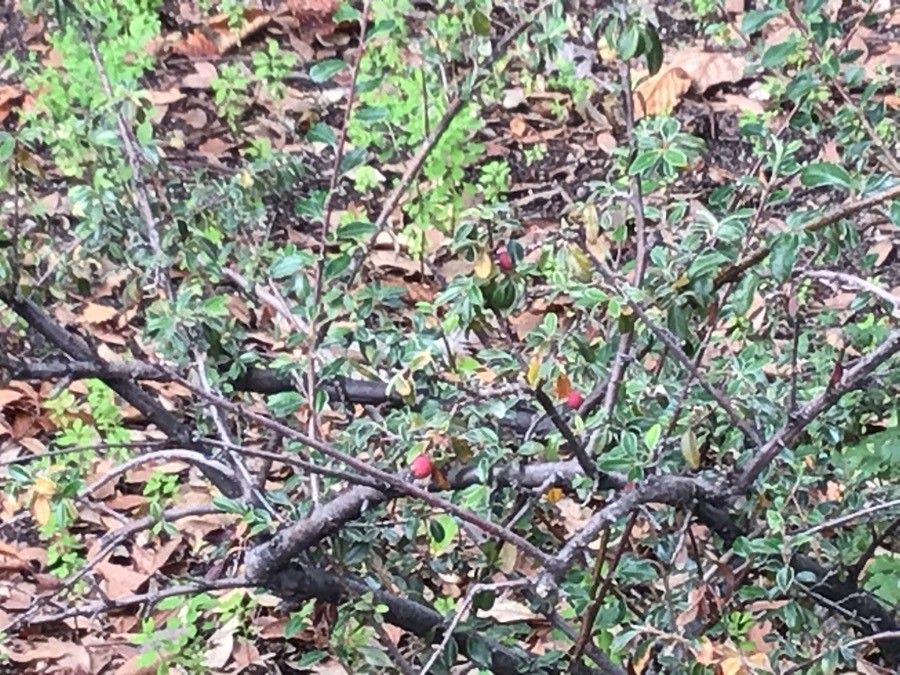
Oh, Cotoneaster buxifolius! What a charming little plant. Its glossy, boxwood-like leaves and delicate white flowers in spring, followed by those cheerful red berries in fall, make it a real gem in any garden. And the best part? It’s wonderfully rewarding to bring new ones into existence from your existing plants. If you’re new to the gardening game, you’ll be happy to know that Cotoneaster buxifolius is generally quite forgiving when it comes to propagation. It’s a fantastic plant to start your propagation journey with.
The Best Time to Start
For the highest success rate, I find that late spring through early summer is your golden window. This is when the plant is actively growing, and the stems have started to mature a bit – what we gardeners call “semi-hardwood.” They’re not too soft and floppy, but also not completely woody and rigid. That sweet spot is where propagation magic happens.
Supplies You’ll Need
Before we get our hands dirty, let’s gather our toolkit:
- Sharp Pruning Shears or a Clean Knife: A clean cut is crucial for fewer disease issues.
- Rooting Hormone (Powder or Gel): This isn’t strictly necessary for Cotoneaster buxifolius, but it definitely gives your cuttings a helpful nudge.
- Potting Mix: I like to use a well-draining mix, often a blend of peat moss or coco coir with perlite or sharp sand. About a 50/50 ratio works wonders.
- Small Pots or Trays: Clean pots are a must! Even yogurt cups with drainage holes poked in the bottom can do the trick.
- Plastic Bags or a Propagator Lid: To create a humid microclimate.
- Watering Can or Mister: For gentle watering.
- Labels and a Pen: So you remember what’s what!
Propagation Methods
Let’s dive into the most straightforward way to multiply your Cotoneaster buxifolius.
Stem Cuttings
This is my go-to method for this plant, and it usually yields excellent results.
-
Take Your Cuttings: On a bright morning, select healthy, non-flowering shoots from your mature plant. Look for stems that are about pencil-thick and have grown this season. Using your clean pruning shears, cut pieces that are 4-6 inches long. Make the cut just below a leaf node (where a leaf joins the stem).
-
Prepare the Cuttings: Gently remove the leaves from the bottom half of each cutting. You want to expose some of the stem. If your cuttings have large leaves, it’s a good idea to cut larger leaves in half to reduce water loss through transpiration. Leave 2-3 leaves at the top.
-
Apply Rooting Hormone: Dip the cut end of each stem into your rooting hormone, tapping off any excess. Make sure the hormone adheres to the moist cut end.
-
Plant Your Cuttings: Fill your pots with your prepared potting mix. Make a hole in the soil with a pencil or your finger for each cutting. Gently insert the basal end (the part you dipped in rooting hormone) into the hole, ensuring the leaf nodes are buried. Firm the soil gently around the base of each cutting.
-
Water and Cover: Water the soil gently to settle it. Then, cover the pots with a clear plastic bag, propping it up with sticks so it doesn’t touch the leaves, or use a propagator lid. This will create a humid environment, which is key for rooting.
-
Placement: Place the pots in a bright spot that receives indirect light. Avoid direct sun, as it can scorch the tender cuttings.
The “Secret Sauce” (Pro Tips)
Here are a few tricks I’ve picked up over the years that can make a big difference:
-
Bottom Heat is Your Friend: If you have them, placing your pots on a heat mat is a game-changer. Roots develop much faster when the soil is warm—think around 70-75°F (21-24°C). It’s like giving them a cozy little incubator.
-
Don’t Drown Your Cuttings: While humidity is important, overwatering is the enemy. Let the top inch of the soil dry out slightly between waterings. You’ll learn to gauge this by the weight of the pot. Stick your finger in; if it feels dry, it’s time for a gentle water.
-
The “Sniff Test”: This might sound odd, but sometimes you can smell rot. If you open your propagator and get a whiff of something unpleasant, it often means a cutting has gone bad. Remove it immediately to prevent it from spreading to others.
Aftercare & Troubleshooting
Once you start seeing new leaf growth or feel a gentle tug when you carefully try to pull a cutting (don’t pull too hard!), it’s a good sign that roots have formed. This usually takes anywhere from 4-8 weeks, sometimes longer.
Once roots are established, you can start to acclimate your new plants to normal humidity. Gradually open the plastic bag or propagator lid for longer periods each day over a week or two.
Signs of failure usually manifest as wilting that doesn’t recover, or a mushy, blackening stem at the soil line – this is rot, typically caused by too much moisture and poor drainage. If you see this, unfortunately, that cutting is a goner. Don’t let it discourage you; learning what not to do is just as important as learning what to do.
A Encouraging Closing
Propagating plants is such a rewarding experience. It’s a tangible way of seeing how life continues and how you can contribute to it. Be patient with your little Cotoneaster buxifolius cuttings. Not every single one will make it, and that’s perfectly okay. Enjoy watching for those first tiny signs of life, and soon you’ll have a whole new generation of these lovely shrubs to share or plant in new spots in your garden. Happy propagating!
Resource: