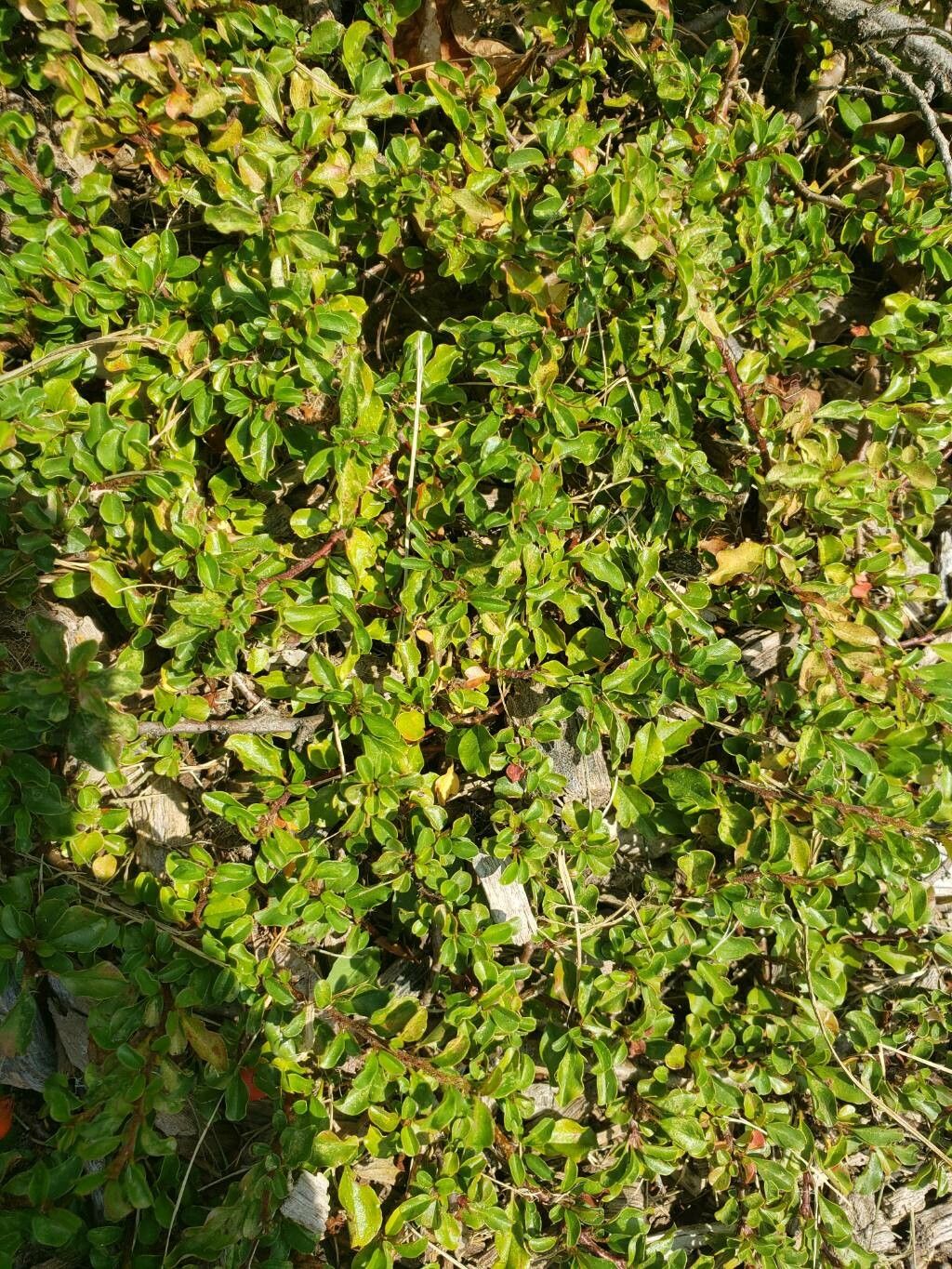
Hey there, fellow garden enthusiasts! It’s so lovely to have you join me in my little corner of the green world today. We’re going to chat about a real charmer for the garden – Cotoneaster adpressus. This little gem, with its wonderfully twiggy habit and charming little leaves, is often called the creeping cotoneaster, and for good reason. It drapes beautifully over walls, tucks nicely into rock gardens, or even acts as a low-maintenance ground cover.
Now, I know the idea of propagating can sometimes feel a bit daunting, but believe me, with Cotoneaster adpressus, you’re in for a treat. It’s one of those plants that’s quite forgiving, making it a fantastic choice even if you’re just dipping your toes into the wonderful world of plant propagation. The satisfaction of nurturing a brand new plant from a tiny piece of the parent is just unmatched, isn’t it?
The Best Time to Start
For Cotoneaster adpressus, the timing is key, but thankfully, it’s quite flexible. My personal favorite time to take cuttings is in mid-summer, usually around July or August. This is when the plant is actively growing, and the new growth has started to mature slightly – we call this semi-hardwood. The wood isn’t too soft and green, nor is it fully woody and mature. This sweet spot gives us the best chance for rooting success.
Supplies You’ll Need
Before we get our hands dirty, let’s gather our trusty companions. Having everything ready makes the whole process flow so much smoother.
- Sharp Pruning Shears or a Knife: Clean cuts are vital for preventing disease and promoting healing.
- Rooting Hormone: This isn’t strictly essential for cotoneaster but it definitely gives your cuttings a helpful boost. I prefer a powder form as it’s easy to use.
- Small Pots or Seed Trays: Ensure they have drainage holes! Happy roots need air and don’t like sitting in soggy soil.
- Well-Draining Potting Mix: A good standard is a mix of peat moss or coco coir with perlite or coarse sand. This ensures good aeration and prevents waterlogging. I often use a 50/50 mix.
- Clear Plastic Bags or a Propagator: To create a humid environment, which is crucial for cuttings.
- Water Spray Bottle: For misting the cuttings.
- Labels or Markers: To keep track of what’s what!
Propagation Methods
Let’s talk about getting these lovely plants to multiply. Stem cuttings are my go-to for Cotoneaster adpressus, and I find they give the most reliable results.
Stem Cuttings:
- Select Your Cuttings: Head over to your established cotoneaster and look for healthy, non-flowering shoots from the current year. You want pieces that are about 4-6 inches long. Gently bend a shoot – if it snaps cleanly, it’s a good candidate.
- Make the Cut: Using your sharp pruning shears or knife, take a cutting just below a leaf node (where a leaf attaches to the stem). This is where the magic of root development often begins.
- Prepare the Cutting: Strip off the lower leaves, leaving just a few at the very top. If the remaining leaves are quite large, you can even cut them in half horizontally. This reduces water loss through transpiration.
- Apply Rooting Hormone: Dip the cut end of the stem into your rooting hormone, tapping off any excess.
- Plant the Cuttings: Fill your pots or trays with your prepared potting mix. Make a small hole with a pencil or your finger and gently insert the cutting, ensuring the leaf nodes are buried in the soil, as this is where roots will form. Firm the soil gently around the stem.
- Water Gently: Water the cuttings thoroughly but gently, using your spray bottle or a watering can with a fine rose.
- Create Humidity: Cover the pots with a clear plastic bag, securing it with a rubber band, or place them in a propagator. This will create a mini-greenhouse effect, keeping the humidity high. Place them in a bright spot, but out of direct sunlight.
The “Secret Sauce” (Pro Tips)
I’ve learned a few tricks over the years that can really make a difference.
- Don’t let the leaves touch the water! If you’re doing water propagation (which is less common for cotoneaster but possible), make sure the leaves are well above the water-line. Rot sets in fast if they’re submerged. For cuttings in soil, this means keeping them trimmed.
- Bottom Heat is Your Friend: While not absolutely necessary for cotoneaster, placing your propagator or pots on a heated propagator mat can significantly speed up root formation. It mimics the warmth of spring soil and really encourages those roots to get going.
- Be Patient with Watering: Once they’re in the propagator, you don’t need to water them as often. Just check the soil moisture; if it feels dry, give it a gentle mist. The condensation on the inside of the bag is a good sign of healthy humidity.
Aftercare & Troubleshooting
Once you start to see those little roots emerging – and you’ll know when you do because you might see new leaf growth or feel a gentle tug when you carefully lift a cutting – it’s time for a bit of a transition.
Gently remove the plastic cover for a few hours each day to start acclimatizing your new babies to drier air. Gradually increase this time over a week or two. Continue to keep them in bright, indirect light and water them when the top inch of soil feels dry.
The most common issue you might encounter is rot. If a cutting turns black and mushy, sadly, it’s likely succumbed to rot. This is often due to overwatering, poor drainage, or not enough air circulation. Prevention is key here – good drainage and not getting too heavy-handed with the watering can is usually the solution! If you see signs of wilting that isn’t related to dryness, it might be a sign of root rot.
A Encouraging Closing
So there you have it! Propagating Cotoneaster adpressus is a truly rewarding endeavor. Don’t be discouraged if your first few attempts aren’t perfect – we all have those days! The most important thing is to be patient, enjoy the process of nurturing, and celebrate each tiny victory. Soon enough, you’ll have a whole collection of these delightful creeping beauties to share with friends or to adorn more spots in your own garden. Happy propagating!
Resource:
https://identify.plantnet.org/k-world-flora/species/Cotoneaster%20adpressus%20Bois/data