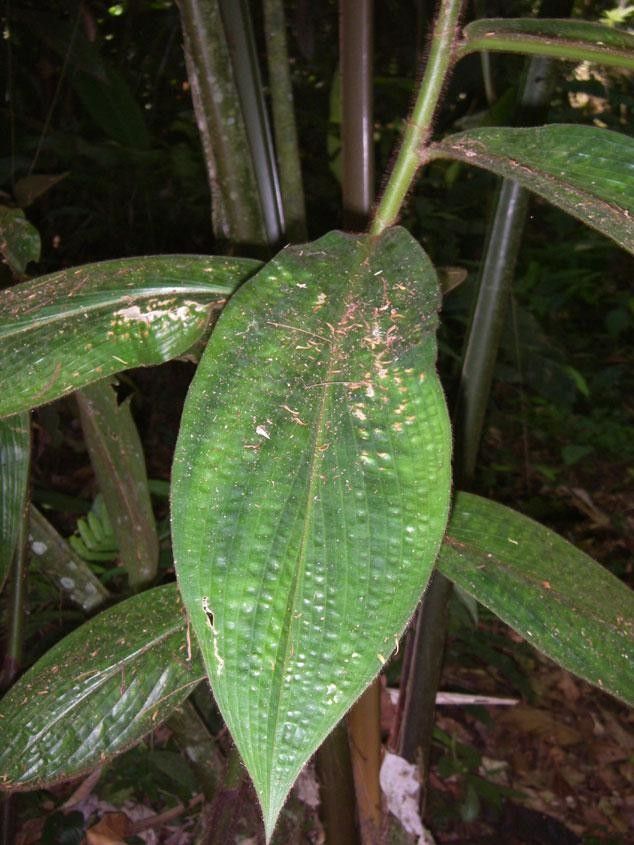
Hello there, fellow plant enthusiasts! Today, we’re diving into the wonderful world of Costus bracteatus, often called the Native Ginger or Spiral Ginger. I’ve spent many years coaxing these beauties into existence, and let me tell you, there’s a special kind of magic in nurturing a tiny cutting into a thriving plant. If you’re looking for a plant that brings a touch of the tropics with its vibrant foliage and intriguing blooms, you’re in for a treat. And the best part? Propagating it is incredibly rewarding. While it might sound a little intimidating at first, I promise you, with a little guidance, this is a project even beginner gardeners can absolutely conquer.
The Best Time to Start
For the highest success rates with Costus bracteatus, I always aim to start in the late spring or early summer. This is when the plant is in its most vigorous growth phase. You’ll see plenty of fresh, healthy shoots emerging, which are perfect candidates for taking cuttings. Waiting until after the initial bloom flush is also a good bet, as the plant will be putting its energy into new growth.
Supplies You’ll Need
Here’s what you’ll want to have on hand before you get started:
- Sharp, clean pruning shears or a sharp knife: For making clean cuts.
- Rooting hormone (optional but recommended): A little boost can make a big difference.
- Well-draining potting mix: A good blend of peat moss or coco coir, perlite, and a bit of compost works wonderfully.
- Small pots or containers: Clean ones, of course!
- Plastic bags or a clear propagation dome: To create a humid microclimate.
- Horticultural charcoal (optional): To help keep the soil fresh.
- Watering can with a fine rose: For gentle watering.
Propagation Methods
Costus bracteatus is wonderfully versatile, and division is my absolute favorite and most reliable method.
Division: The Easiest Route
This is like giving your mature plant a little haircut and a chance to spread its wings.
- Gently remove the plant from its pot. If it’s really root-bound, you might need to loosen the edges with your knife or carefully slide it out.
- Examine the root ball. You’ll see clumps of rhizomes (thick, underground stems). Look for sections that have their own healthy stems and roots attached.
- Carefully separate the clumps. You can often do this with your hands, or if they’re really tangled, use your clean knife to slice through the rhizomes. Make sure each new division has at least one or two healthy stems and a good portion of roots.
- Pot up your new divisions. Plant each one in its own pot filled with your well-draining potting mix. Ensure the top of the rhizome is just at or slightly below the soil surface.
- Water thoroughly. Give them a good soak to settle the soil.
Stem Cuttings: For the Patient Gardener
While division is king for Costus, you can also try stem cuttings.
- Select a healthy, non-flowering stem. Look for a stem that’s at least 6-8 inches long.
- Make a clean cut. Just below a leaf node (where a leaf attaches to the stem), use your sharp shears or knife to cut the stem.
- Remove the lower leaves. Strip off the leaves from the bottom two-thirds of your cutting. This helps prevent rot and encourages root development.
- Dip in rooting hormone (optional). If you’re using rooting hormone, dip the cut end into it, tapping off any excess.
- Plant your cutting. Insert the cut end about 2-3 inches deep into your prepared potting mix. Firm the soil gently around the stem.
- Create a humid environment. Water the soil lightly, then cover the pot with a clear plastic bag or a propagation dome. Make sure the leaves don’t touch the plastic; you can use stakes to hold the bag up if needed.
The “Secret Sauce” (Pro Tips)
Here are a couple of things I’ve learned over the years that really boost my propagation success:
- Don’t drown your cuttings! While humidity is crucial for stem cuttings, it’s easy to go overboard with watering. You want the soil to be consistently moist, not soggy. Overwatering is the quickest way to invite rot. If you see water pooling on the surface, drain it off gently.
- Bottom heat is your friend. For stem cuttings, placing your pots on a heated propagation mat can significantly speed up root formation. It mimics the warmth of the soil in tropical environments, and those roots will thank you for it.
Aftercare & Troubleshooting
Once your new Costus divisions or cuttings are potted, give them a good watering and place them in a warm, bright location out of direct sunlight.
For divisions, they’ll generally establish quite quickly. Keep the soil consistently moist but not waterlogged. You should see new growth emerge within a few weeks.
For stem cuttings, be patient! It can take anywhere from 4-8 weeks for roots to form. You can gently tug on the cutting – if there’s resistance, you’ve likely got roots. Once rooted, remove the plastic cover gradually, allowing the plant to acclimate to drier air over a few days.
The most common sign of trouble is rot. If your cutting is mushy, discolored, or smells foul, it’s likely rotted. This is usually due to overwatering or poor air circulation. If you catch it early, you might be able to salvage a healthy section, but often, it’s best to start again. Fungal issues can also arise from too much moisture.
A Little Patience Goes a Long Way
Propagating plants is a journey, and each little sprout is a victory. Don’t be discouraged if you have a few setbacks along the way; it’s all part of the learning process. With a bit of care and these tips, you’ll soon be on your way to having a whole collection of these stunning Spiral Gingers. Happy propagating!
Resource:
https://identify.plantnet.org/k-world-flora/species/Costus%20bracteatus%20Rowlee/data