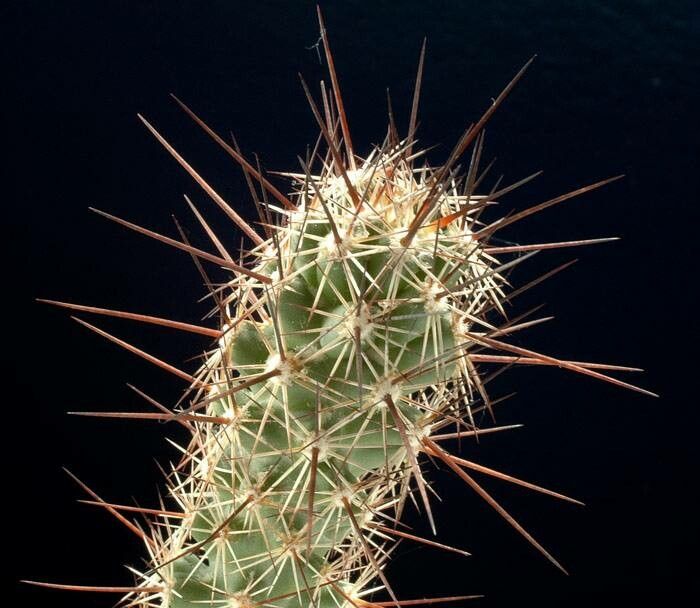
Well hello there, fellow plant enthusiasts! I’m so glad you’ve stopped by for a chat. Today, we’re diving into the wonderful world of Coryphantha pulleineana, a cactus that truly has a special charm. Its unique texture and often striking flower crowns make it a delightful addition to any collection. And the best part? Propagating these beauties is a fantastically rewarding way to expand your green family, and I’m here to guide you through it. While it’s not the absolute easiest plant for a complete beginner, I think with a little patience and these tips, you’ll be well on your way to success.
The Best Time to Start
For Coryphantha pulleineana, the absolute best time to think about propagation is during its active growing season. This usually falls between late spring and early summer. You want to catch the plant when it’s full of energy and ready to put out new growth. Starting during this period gives your new propagations the best chance to establish themselves before cooler weather sets in.
Supplies You’ll Need
Gathering your tools beforehand makes the whole process much smoother. Here’s what I always have on hand:
- Well-draining potting mix: A cactus and succulent mix is perfect. I often mix in a bit of perlite or pumice for extra drainage.
- Sharp, sterile knife or pruning shears: For clean cuts that minimize damage and the risk of infection. Sterilization is key!
- Rooting hormone (optional but recommended): This can give your cuttings a helpful boost.
- Small pots or trays: Clean and with drainage holes.
- Gravel or small stones: For stabilizing the cuttings and improving airflow.
- Watering can with a fine rose or spray bottle: For gentle watering.
- Gloves: Cacti spines can be tricky!
Propagation Methods
Coryphantha pulleineana is primarily propagated by offsets, which are little baby plants that sprout from the base of the parent plant. This is the easiest and most successful method for this particular cactus.
Propagating via Offsets (The Most Rewarding Way!)
- Wait for Growth: Look for any small offsets that have developed at the base of your mature Coryphantha pulleineana. They’re often nestled close to the main stem.
- Prepare Your Tools: Make sure your knife or shears are clean and sharp. This prevents introducing bacteria.
- Gently Separate: Using your sterile tool, carefully cut or pry the offset away from the parent plant. Try to get a small portion of the parent plant’s stem or root attached to the offset if possible. It’s okay if a little bit of the base is left behind on the parent; it will heal.
- Let Them Callus: This is a crucial step! Place the separated offsets in a dry, shaded spot for a few days to a week. You want the cut surface to form a dry callus. This “healing” process is vital to prevent rot when you plant them. Patience here is a virtue!
- Potting Up: Once callused, you can plant your offsets. Use your well-draining cactus mix in small pots. You can use rooting hormone on the cut surface before potting if you like.
- Gentle Placement: Place the offset in the pot, with the callused end just touching the soil surface, or buried very slightly. You can use a few small stones to help support it if it’s wobbly.
- Water Sparingly: Do NOT water immediately after potting. Wait for about a week to 10 days. When you do water, do so lightly. You want to encourage roots to seek out moisture.
The “Secret Sauce” (Pro Tips)
Here are a few little tricks I’ve picked up over the years that can really make a difference:
- The “Air Dry” is Your Best Friend: Seriously, don’t skip the callusing step. I’ve seen too many people impatient and try to pot up immediately, only to end up with rot. That dry callus is like a protective band-aid.
- Bottom Heat is a Game-Changer: If you’re propagating during a cooler spell within the growing season, or just want to give things a nudge, placing your pots on a gentle seedling heat mat can significantly speed up root development. Just make sure it’s set to a low temperature.
- Don’t Overcrowd: When planting multiple offsets in a tray, give them a little personal space. This improves air circulation and reduces the risk of humidity-related problems.
Aftercare & Troubleshooting
Once your offsets are planted and you’ve given them a week or so before their first light watering, the real waiting game begins. You’re looking for signs of new growth, which usually indicates root formation.
- Watering: Continue to water sparingly. Allow the soil to dry out completely between waterings. In humid environments, you might even go longer between waterings.
- Light: Place them in a spot with bright, indirect light. Too much direct sun can scorch a struggling young plant.
- Troubleshooting: The most common issue you’ll face is rot. If you notice an offset turning mushy or black, especially at the base, it’s likely rot. Unfortunately, once it starts, it’s very difficult to save. The best prevention is excellent drainage and careful watering. If you see a bit of shriveling, it might just be thirsty, but if it’s going soft and discolored, it’s a bad sign.
A Encouraging Closing
Growing plants from cuttings or offsets is such a rewarding journey. It’s a tangible way to connect with nature and witness the miracle of new life. Be patient with your Coryphantha pulleineana offsets. They take their time, and that’s perfectly okay. Enjoy the process, learn from any little setbacks, and celebrate every new sprout. Happy propagating!
Resource: