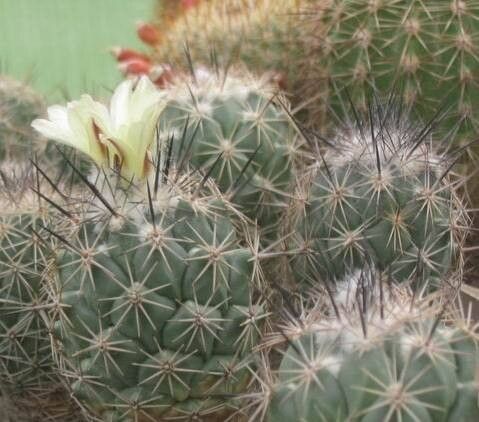
Well hello there, fellow plant enthusiast! I’m so glad you’ve found your way here. Today, we’re diving into the wonderful world of propagating Coryphantha durangensis. This little cactus, with its charming star-like flowers and intricate tubercles, is a real gem in any collection. Getting more of these beauties from your existing ones is incredibly satisfying, and honestly, not nearly as daunting as you might think.
The Best Time to Start
For Coryphantha durangensis, the magic truly happens when things start warming up. Spring and early summer are your golden windows. This is when the plant is actively growing and has the most energy to put into new roots. Starting around April or May, after the last frost, gives your cuttings or offsets plenty of time to establish themselves before winter rolls around.
Supplies You’ll Need
Gathering your supplies before you begin makes the whole process much smoother. Here’s what I always have on hand:
- Sharp, clean cutting tool: A sterilized pruning shear or a razor blade works wonders. Cleanliness is key to preventing infections.
- Well-draining potting mix: I swear by a cactus/succulent mix, often with extra perlite or pumice added for superior drainage. You can even make your own!
- Rooting hormone (optional but helpful): A powder or gel can give your cuttings a nice boost of confidence.
- Small pots or trays: Something that won’t hold too much moisture, with drainage holes being non-negotiable.
- Gloves: For obvious reasons – these guys can be spiky!
- Watering can or spray bottle: For gentle watering.
Propagation Methods
Coryphantha durangensis is a breeze to propagate, primarily through two methods: offsets and stem cuttings.
Offsets (The Easiest Way!)
Many Coryphantha species, including durangensis, are prolific producers of offsets, also known as pups. These are miniature versions of the parent plant that emerge from the base.
- Inspect your mature plant: Look for any small plantlets forming around the mother cactus. They’ll often have their own tiny spines and tubercles.
- Gently separate the offset: Using your clean cutting tool, carefully slice the offset away from the parent plant, trying to get a bit of its base attached. If an offset has already developed some roots, even better!
- Allow it to callous: Place the separated offset in a dry, warm, and well-ventilated spot for a few days. This allows the cut surface to dry and form a protective “scab” or callus. This is crucial to prevent rot.
- Pot it up: Once calloused, plant the offset in your well-draining cactus mix. Don’t water it immediately. Wait a week or so for the roots to start settling in.
Stem Cuttings (When Offsets Aren’t Abundant)
If your plant isn’t producing offsets, or you want to propagate a tip, stem cuttings are your next best bet.
- Take a cutting: Select a healthy stem or a significant part of the plant. Using your sterilized cutting tool, make a clean cut. Aim for a piece that looks robust and has several tubercles.
- Callous, calloused, calloused! This is honestly the most important step. Just like with offsets, let your cutting dry out for at least a week, maybe even two, in a bright, dry location. You want that cut end to be completely sealed.
- Plant the cutting: Once thoroughly calloused, insert the cut end into your prepared cactus soil. You can gently prop it up with small stones if it seems wobbly.
- Resist the urge to water: Again, hold off on watering. Let the cutting sit for about 10-14 days before its first gentle watering.
The “Secret Sauce” (Pro Tips)
Here are a couple of little tricks that have saved more than a few propagations for me:
- Don’t drown your cuttings: When you do water, be gentle and minimal. I prefer to water from the bottom by setting the pot in a shallow tray of water for about 30 minutes, allowing the soil to wick up moisture. This avoids disturbing the soil around a potentially fragile cutting.
- A little warmth goes a long way: If you’re propagating in a cooler environment, investing in a small seedling heat mat can make a noticeable difference. Placing your pots on top of it provides gentle bottom heat, encouraging root development. You don’t want it scorching hot, just pleasantly warm.
Aftercare & Troubleshooting
Once you see signs of growth – perhaps a tiny bit of plumpness or even the emergence of a new tubercle – you know roots are forming! Continue to water sparingly, increasing frequency as the plant grows.
The most common pitfall is rot. If your cutting or offset becomes mushy, discolored (often turning brown or black), or just looks “sad” and deflated, rot is likely the culprit. This usually happens from overwatering or not allowing enough time for callousing. If you catch it early, you might be able to salvage it by cutting away the rotted section and re-callousing the remaining healthy part.
A Little Patience, And Plenty of Joy
Propagating plants is a journey, and each successful new baby cactus is a small victory. Don’t be discouraged if not every attempt works out – gardening is about learning and adapting, after all. The most important thing is to enjoy the process, the connection you feel to your plants, and the sheer delight of watching something new grow from your efforts. Happy propagating!
Resource: