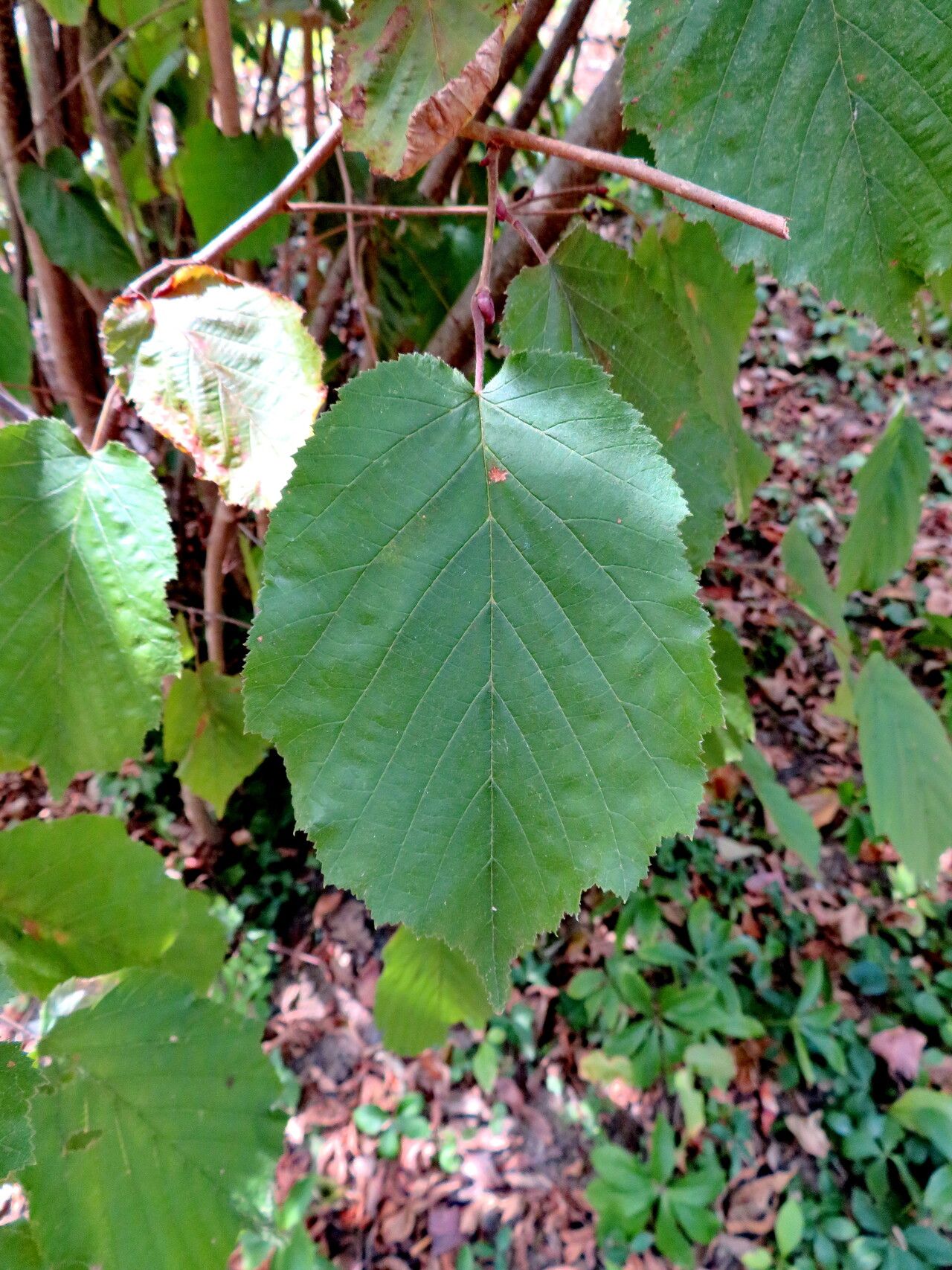
Oh, Corylus maxima! Those glorious hazelnuts, with their glossy leaves and the wonderful satisfaction of harvesting your own. I’ve been growing them for two decades now, and honestly, there’s something really special about bringing a new hazelnut bush to life from a piece of an established one. It’s not as tricky as some plants, and I find it’s a genuinely rewarding project, even if you’re just starting out with propagation. Let’s get your own hazelnut adventures growing!
The Best Time to Start
For Corylus maxima, my go-to time for propagation is late spring or early summer. This is when the plant is actively growing, and its stems are developing that lovely semi-hardwood stage. You want stems that are flexible but not brand new and floppy. Think of it as the perfect balance – not too hard, not too soft.
Supplies You’ll Need
Gathering your tools beforehand makes the whole process smoother. Here’s what I always have on hand:
- A sharp pair of clean pruning shears or a sharp knife. Cleanliness is key to preventing disease.
- Rooting hormone. This is like a little boost for your cuttings, encouraging faster and stronger root development. You can find it in powder or gel form.
- A well-draining potting mix. I like to use a blend of good quality potting soil with some perlite and a bit of sharp sand to ensure good aeration. A peat-free option is also excellent.
- Small pots or trays with drainage holes.
- Clear plastic bags or a propagation propagator. This creates a humid microclimate for your cuttings.
- Water. For cleaning your tools and misting.
- Optional, but helpful: a dibber or a pencil to make holes for your cuttings.
Propagation Methods
While Corylus maxima can be tricky to get going from seed, two methods I’ve found really reliable are stem cuttings and layering.
Stem Cuttings
This is my favorite way to create new hazelnut bushes.
- Select Your Cuttings: On a healthy, established Corylus maxima, look for stems that are about the thickness of a pencil. They should be current-season’s growth. You want to take cuttings that are about 6-8 inches long.
- Make the Cut: Using your clean pruning shears, make a cut just below a leaf node (where a leaf attaches to the stem). This is where the magic happens for root formation.
- Prepare the Cuttings: Gently remove the lower leaves from the cutting, leaving just the top two or three leaves. If the remaining leaves are quite large, I’ll often cut them in half horizontally. This reduces water loss through transpiration while still allowing enough leaf surface for photosynthesis.
- Apply Rooting Hormone: Dip the cut end of the stem into your rooting hormone, ensuring it’s covered about an inch or so up from the cut. Tap off any excess.
- Plant Your Cuttings: Fill your pots or trays with your well-draining mix. Make a small hole with your dibber or pencil. Gently insert the prepared cutting into the hole, making sure the rooting hormone stays in place. Firm the soil gently around the cutting.
- Water Gently: Water the soil thoroughly but gently. You don’t want to disturb the cuttings.
- Create Humidity: Cover the pots with a clear plastic bag, securing it around the rim with a rubber band or tape. If you’re using a propagator, close the lid. This keeps the humidity high, which is crucial for cuttings to root.
Layering
This method is a bit slower but can be very successful as the cutting remains attached to the parent plant for longer.
- Choose a Low-Growing Stem: Find a healthy, flexible stem that’s close to the ground.
- Wound the Stem: About a foot or so from the tip, make a shallow slice on the underside of the stem, about 1-2 inches long. You can also gently scrape away a thin band of the outer bark (cambium layer) in this area. This encourages root formation.
- Bend and Bury: Bend the wounded part of the stem down to the soil surface. Peg it down securely into the soil with a U-shaped wire or a heavy stone. Ensure the wounded section is in good contact with the soil.
- Cover with Soil: Cover the wounded section of the stem with soil, leaving the tip of the stem exposed and pointing upwards.
- Keep Moist: Water the area regularly to keep the soil consistently moist.
The “Secret Sauce” (Pro Tips)
Here are a few things I’ve learned over the years that can really give you an edge:
- Bottom Heat is Your Friend: If you’re using stem cuttings, especially if your house is a bit cooler, using a heat mat from a garden centre can make a huge difference. It encourages root development from the bottom upwards. Just place your pots on top of it.
- Don’t Let Leaves Touch Water (for Water Propagation): While I primarily use soil for Corylus, if you experiment with water propagation for other plants, a key is to ensure no leaves are submerged. Rot sets in fast if they are.
- Patience with Layering: For layering, don’t lift the stem too soon. Wait at least a year, or until you see new leafy tops growing from the buried section, before attempting to separate it. It needs time to build a strong root system.
Aftercare & Troubleshooting
Once you start seeing wee roots appearing – you might see them peeking out of the drainage holes or new growth on the cutting – it’s time to transition from the humid environment.
For stem cuttings, gradually introduce them to more air by opening the plastic bag a little each day over a week or so. Once they seem sturdy, you can carefully pot them into their own small pots. Continue to water them, letting the soil dry out slightly between waterings.
For layered plants, once you’re confident they have a good root system, you can carefully cut the stem connecting it to the parent plant and pot it up.
The most common problem you’ll encounter is rot. This usually happens if the soil is too wet and lacks drainage, or if the humidity is too high for too long without enough air circulation. If you see a cutting going black and mushy, unfortunately, it’s best to discard it to prevent any spread. Another sign of failure is the cutting drying out completely – so keep an eye on moisture levels.
A Encouraging Closing
Propagating Corylus maxima is a wonderful way to expand your garden or share the joy of growing your own hazelnuts. It takes a little care and observation, but the reward of nurturing a new plant from a small piece is immense. Be patient, enjoy the process, and don’t be discouraged if every single cutting doesn’t make it. Happy gardening!
Resource:
https://identify.plantnet.org/k-world-flora/species/Corylus%20maxima%20Mill./data