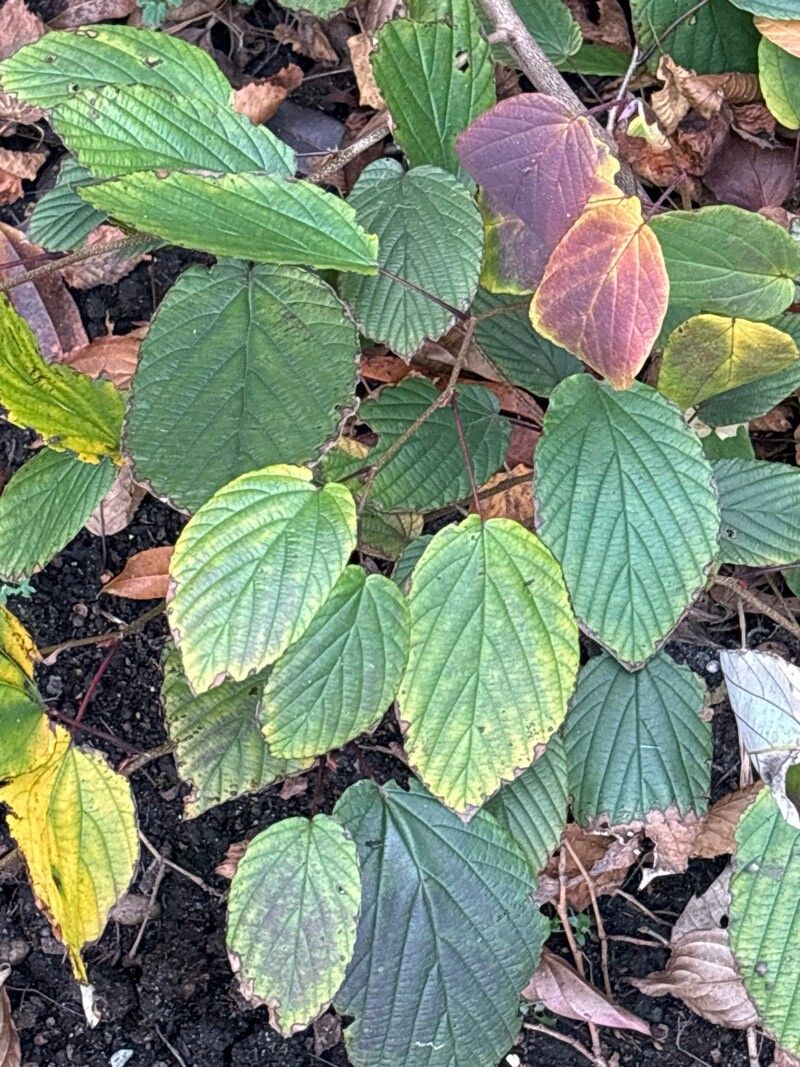
Oh, Corylopsis himalayana! Isn’t she a beauty? I just adore the way her delicate, pale yellow, bell-shaped flowers cascade down in early spring, just when I’m starting to feel that familiar spring fever. She brings such a whisper of elegance to the garden, a gentle prelude to the riot of color that follows. And the fragrance! It’s subtle, a sweet and clean scent that makes you want to lean in closer.
For those of you looking to expand your collection of these charmers, or perhaps share a piece of that early spring magic with a friend, propagating Corylopsis himalayana is a truly rewarding endeavor. Now, I won’t lie to you – she’s not quite as straightforward as, say, a propagated mint, but with a little patience and the right approach, you can absolutely succeed. It’s a wonderful way to feel more connected to your plants and the rhythm of the seasons.
The Best Time to Start
Timing is everything, as they say, and for Corylopsis himalayana, the sweet spot is late spring to early summer. I like to aim for when the current year’s growth has started to harden off a bit, but is still flexible. Think softwoods or semi-hardwoods, as we call them in gardening lingo. This is typically after the initial flush of rapid spring growth has settled down. If you wait too long, the stems can become too woody and difficult to root.
Supplies You’ll Need
Gathering your tools before you start makes the whole process so much smoother. Here’s what I always have on hand:
- Sharp, clean pruning shears or a strong craft knife: For taking your cuttings. Sterilize them with rubbing alcohol!
- Rooting hormone powder or gel: This really gives your cuttings that extra boost of confidence. I’ve found the powder works wonderfully for this plant.
- A good quality potting mix: I like a well-draining blend. A mix of peat moss, perlite, and a little bit of coarse sand is usually my go-to for cuttings. You can also buy specific “seed starting” or “cutting” mixes.
- Small pots or trays: Clean ones, of course! Around 4-6 inches deep is ideal.
- Plastic bags or a propagator: To create a humid environment for your cuttings.
- Watering can with a fine rose: For gentle watering.
- A dibber or pencil: To make planting holes.
Propagation Methods
I’ve found that stem cuttings are your best bet for Corylopsis himalayana. It’s tried, true, and gives you the most control.
- Select Your Cuttings: On a bright, but not scorching, morning, head out to your Corylopsis. Look for healthy, vigorous stems that are about 6-8 inches long. Gently bend a stem; if it snaps cleanly rather than just bending, it’s likely a good candidate for a semi-hardwood cutting.
- Make the Cut: Using your sterilized pruning shears or knife, take your cuttings. Make a clean cut just below a leaf node (where a leaf attaches to the stem). This is where the magic of rooting really happens.
- Prepare the Cuttings: Carefully remove the lower leaves from your cuttings, leaving just 2-3 leaves at the very top. This reduces water loss. If the remaining leaves are quite large, you can also cut them in half.
- Apply Rooting Hormone: Dip the cut end of each cutting into your rooting hormone. Swirl it around so the powder or gel coats the bottom inch or so of the stem. Tap off any excess.
- Potting Up: Fill your clean pots with your prepared potting mix. Make a hole in the center of the soil with your dibber or pencil. Gently insert the hormone-coated end of the cutting into the hole, making sure the lowest leaf scars are below the soil surface.
- Firm and Water: Gently firm the soil around the base of the cutting to ensure good contact. Then, water thoroughly until water drains out the bottom of the pot.
- Create Humidity: This is crucial! Cover the pot with a clear plastic bag or place it in a propagator. You want to create a mini-greenhouse effect. Make sure the leaves don’t touch the plastic if possible. I sometimes use little stakes to prop up the bag.
The “Secret Sauce” (Pro Tips)
Over the years, I’ve learned a few little tricks that have made a big difference.
- Bottom Heat is Your Friend: While not strictly essential, placing your pots on a gentle heat mat (like those sold for seed starting) can significantly speed up root development. Corylopsis appreciates a little warmth from below.
- Don’t Drench, Just Damp: After the initial watering, resist the urge to overwater. The soil needs to be consistently moist, like a wrung-out sponge, but never soggy. Soggy conditions are a fast-track to rot.
- Patience with the “Wiggle Test”: When you think roots might be forming, gently tug on a cutting. If there’s resistance, it’s a good sign roots have taken hold. If it pulls out easily, it hasn’t rooted yet. Don’t be too hasty to check!
Aftercare & Troubleshooting
Once your cuttings have roots (you’ll know when that wiggle test provides resistance, or if you see new leaf growth!), it’s time for their next stage.
- Gradual Acclimatization: Slowly reduce the humidity over a week or two by opening the plastic bag a little more each day before removing it entirely.
- Gentle Watering: Continue to water when the top inch of soil feels dry.
- Light: Keep them in bright, indirect light. Direct sun can scorch young cuttings.
- Transplanting: Once they’re growing well and have a decent root system, you can transplant them into larger pots.
Now, what if things don’t go as planned? The most common issue is rot. If your cuttings turn black and mushy, or their leaves shrivel and yellow without any signs of rooting, it’s usually a sign of too much moisture or not enough air circulation. If you see any signs of mold, it’s often best to discard those cuttings and start fresh, perhaps with better drainage or less frequent watering. Don’t be discouraged by failures; they’re just learning opportunities!
So there you have it! Propagating Corylopsis himalayana is a satisfying process that brings you even closer to these lovely plants. Be patient, pay attention to their needs, and most importantly, enjoy the journey of watching new life emerge. Happy gardening!
Resource:
https://identify.plantnet.org/k-world-flora/species/Corylopsis%20himalayana%20Griff./data