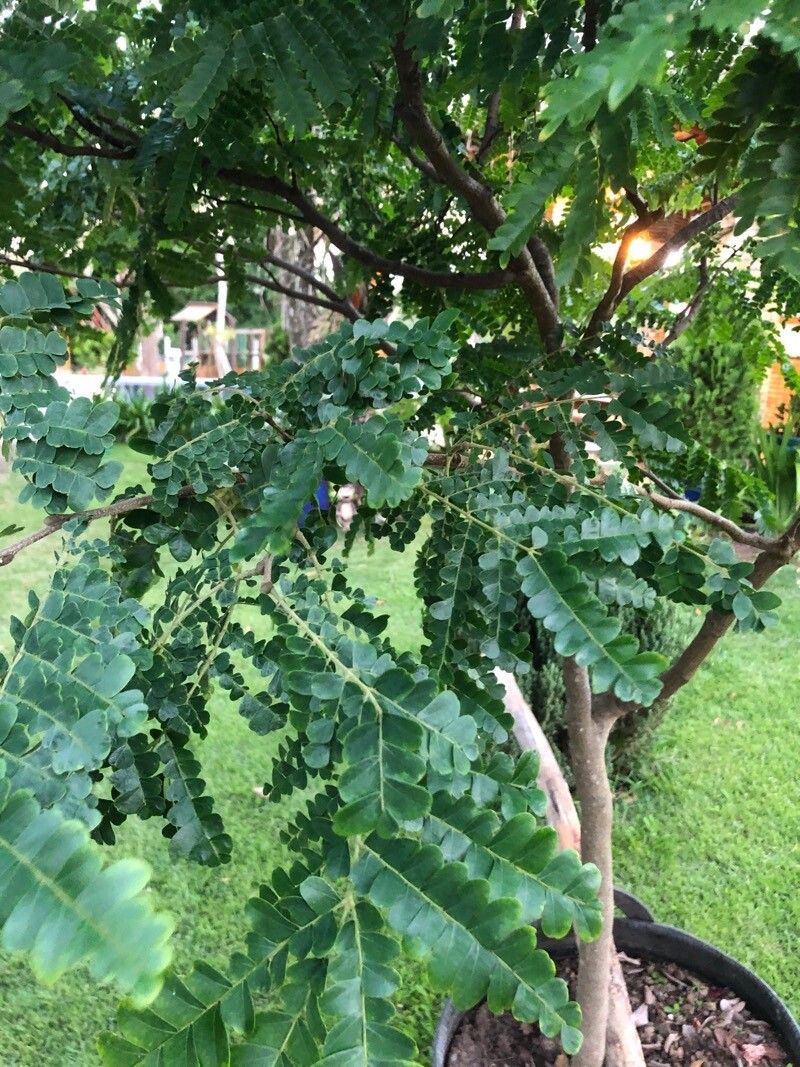
Hello there, fellow plant enthusiasts! Today, we’re diving into something truly special: propagating the magnificent Cordyla africana. If you’ve ever admired its graceful form and the promise of unique blooms, you’re in for a treat. Growing new plants from cuttings or seeds is incredibly rewarding. It’s a way to multiply your joy and share the love of gardening. Now, I’ll be honest, Cordyla africana can be a bit of a diva when it comes to propagation. It’s not a beginner’s first plant, but with a good dose of patience and the right approach, you can absolutely succeed.
The Best Time to Start
For the highest chance of success with Cordyla africana, I find late spring or early summer to be ideal. This is when the plant is in its most vigorous growth phase. You’ll want to take cuttings from healthy, actively growing stems. Avoid anything that looks stressed, too woody, or just emerging. Think of it as capturing that youthful energy!
Supplies You’ll Need
Here’s what you should have on hand before you get started:
- Sharp, clean pruning shears or a razor blade: Sterilize them with rubbing alcohol to prevent disease.
- Rooting hormone powder or gel: This is especially helpful for Cordyla africana.
- Well-draining potting mix: A good blend of peat moss, perlite, and a bit of sand works wonders. You want it to dry out relatively quickly between waterings.
- Small pots or propagation trays: Clean ones are a must.
- Plastic bags or a propagation dome: To create a humid environment.
- Watering can with a fine rose or a spray bottle: For gentle watering.
- A warm location: This could be a sunny windowsill or near a gentle heat source.
Propagation Methods
While Cordyla africana can be grown from seed, I find stem cuttings to be the most accessible and reliable method for most home gardeners.
Stem Cuttings
- Choose your cutting: Look for a healthy branch that is about 4-6 inches long. It should have at least a few sets of leaves. Gently bend a younger stem; if it snaps cleanly, it’s likely a good candidate.
- Make the cut: Using your sterilized shears or razor, make a clean cut just below a leaf node (where a leaf attaches to the stem). This is where roots are most likely to form.
- Prepare the cutting: Remove the lower leaves, leaving just a couple at the very top. This will prevent them from rotting in the soil or water. If the leaves are very large, you can even cut them in half to reduce water loss.
- Apply rooting hormone: Dip the cut end into your rooting hormone, making sure it’s coated. Tap off any excess.
- Plant your cutting: Make a small hole in your potting mix with your finger or a pencil. Gently insert the cut end of the stem into the hole, burying the portion where you removed the leaves. Firm the soil gently around the base of the cutting.
- Create humidity: Water the soil lightly. Then, cover the pot with a clear plastic bag or place it under a propagation dome. Make sure the leaves aren’t touching the plastic if possible. This traps moisture and humidity, which is crucial for root development.
- Place in a warm spot: Put your pot in a bright, indirect light location. Direct sun can scorch the delicate cuttings.
The “Secret Sauce” (Pro Tips)
Here are a couple of things I’ve learned over the years that can make a big difference:
- Don’t go overboard with watering. It’s tempting to keep them constantly moist, but Cordyla africana cuttings really dislike soggy feet. Let the top inch of soil dry out slightly between waterings. This helps prevent rot.
- Bottom heat is your friend. If you have the option, placing your pots on a gentle heat mat (the kind used for seedlings) can significantly speed up root formation. It mimics the warmth of spring soil and encourages roots to emerge.
Aftercare & Troubleshooting
Once your cuttings have developed a good root system – you’ll know this when you see new leaf growth or feel a gentle tug when you try to wiggle the stem – it’s time to slowly transition them to more normal conditions. Gradually remove the plastic cover or dome over a few days to let them adjust to lower humidity. Continue to water them as you would a mature plant, ensuring the soil drains well.
The most common problem you’ll encounter is rot. If your cutting turns black and mushy, it’s usually a sign of too much moisture and not enough air circulation. Unfortunately, there’s not much you can do once rot sets in. Sometimes, you might see no action for weeks. Patience is key! If the stem remains firm and green, keep hoping.
A Encouraging Closing
Propagating plants, especially those with a bit of personality like Cordyla africana, is a journey. There will be successes and occasional disappointments. But the thrill of seeing those first tiny roots emerge or a new leaf unfurl is absolutely worth it. So, grab your tools, embrace the process, and enjoy creating new life in your garden! Happy propagating!
Resource:
https://identify.plantnet.org/k-world-flora/species/Cordyla%20africana%20Lour./data