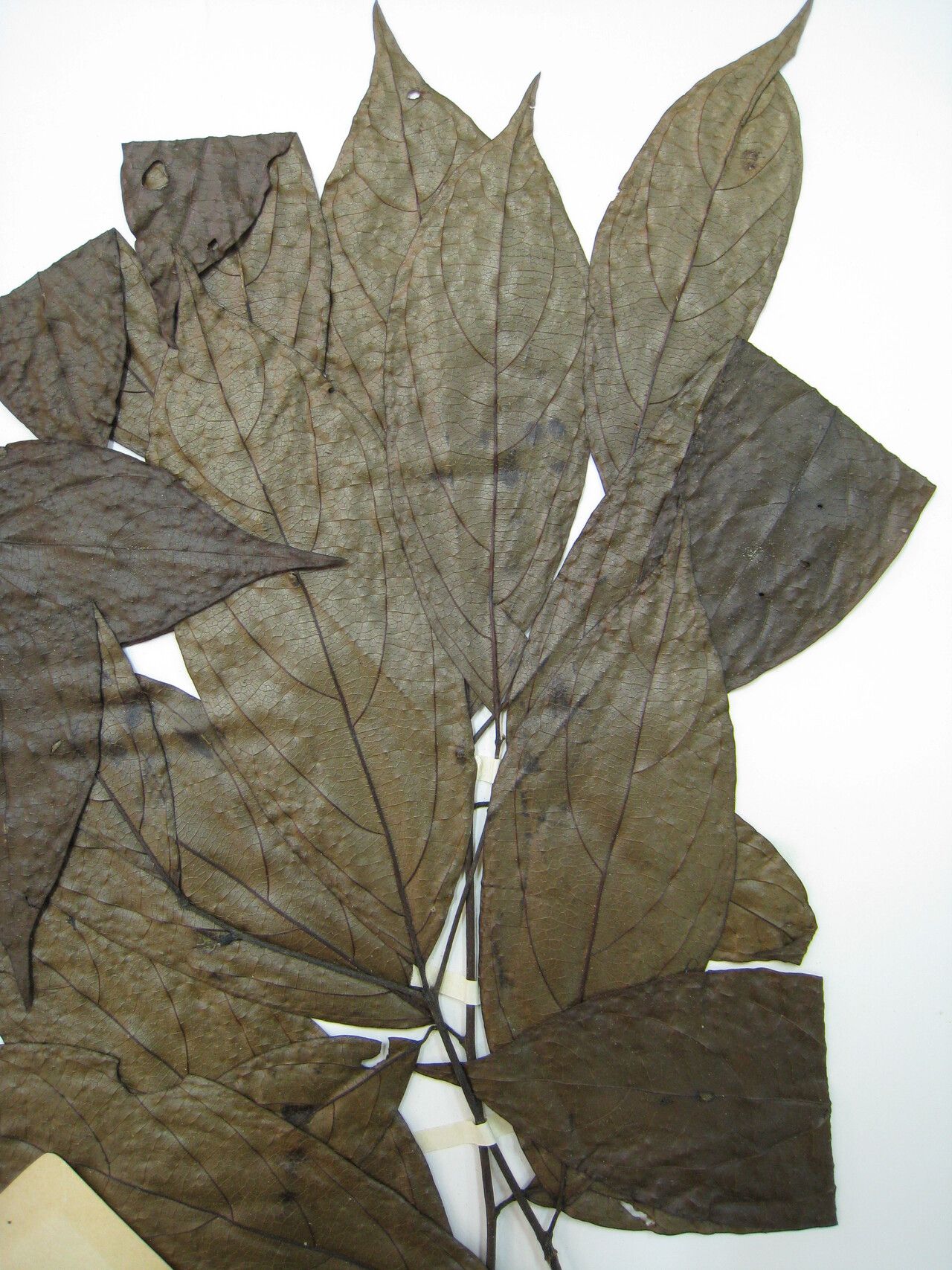
Hello fellow garden lovers!
There’s something truly magical about coaxing new life from a beloved plant. Today, I want to share my passion for propagating Cordia panicularis, or the Geiger Tree. This tropical beauty, with its vibrant trumpet-shaped flowers and lush foliage, can be a stunning addition to any garden, especially in warmer climates. And the best part? Bringing new Geiger Trees into existence is a deeply satisfying journey.
For beginners, I’d say propagating Cordia panicularis is moderately easy. It’s not as foolproof as a spider plant, but with a little attention and the right techniques, you’ll get there. The reward of seeing a tiny twig transform into a flourishing plant is absolutely worth a bit of effort!
The Best Time to Start
My go-to time for propagating Cordia panicularis is during its active growing season, which typically means late spring through summer. You’re looking for new, semi-hardwood growth. That means the new shoots are no longer floppy and soft, but they haven’t turned completely woody and stiff either. Think of it as that perfect phase where the stems have a bit of give but hold their shape. This is when they have the most energy and are most receptive to rooting.
Supplies You’ll Need
Gathering your supplies beforehand makes the whole process much smoother. Here’s what I always have on hand:
- Sharp Pruning Shears or a Knife: Clean cuts are crucial for preventing disease.
- Roo-ting Hormone: A powder or gel to give your cuttings a boost.
- Potting Mix: A well-draining, light mix is best. I often use a blend of peat moss, perlite, and a bit of compost. You can also buy specific seedling or cutting mixes.
- Small Pots or Trays: With drainage holes, of course! 4-inch pots are usually a good size.
- Clear Plastic Bags or a Propagation Dome: To create a humid environment.
- Watering Can or Spray Bottle: For gentle watering.
- Rubbing Alcohol or Hydrogen Peroxide: To sterilize your tools.
Propagation Methods
I’ve found that the most reliable way to propagate Cordia panicularis is through stem cuttings. Here’s how I do it:
- Select Your Cuttings: Look for healthy stems with at least 2-3 sets of leaves. Using your sterilized pruning shears, cut a section about 4-6 inches long. Make your cut just below a leaf node (where a leaf attaches to the stem).
- Prepare the Cuttings: Gently remove the lower leaves, leaving just one or two at the very top. This helps prevent rot and directs the plant’s energy into rooting. If the remaining leaves are quite large, I sometimes cut them in half horizontally. This reduces water loss through transpiration.
- Apply Rooting Hormone: Dip the cut end of the stem into your rooting hormone, tapping off any excess. Follow the instructions on the product you’re using.
- Potting Up: Fill your small pots with your prepared potting mix. Make a hole in the center of the soil with your finger or a pencil.
- Plant the Cuttings: Insert the hormone-dipped end of the cutting into the hole, making sure at least one leaf node is below the soil surface. Gently firm the soil around the stem.
- Water Gently: Water thoroughly but gently until water drains from the bottom of the pot.
- Create a Humid Environment: This is key! You can cover the pot with a clear plastic bag, being careful that the leaves don’t touch the plastic, or place it under a propagation dome. Make sure to poke a few small holes in the bag or prop it open slightly for air circulation.
For those who prefer a simpler starting point, water propagation can also work, though I find rooting hormone and soil give a higher success rate for Cordia panicularis. If you try water propagation:
- Take your cuttings as described above.
- Place them in a jar or vase of clean water, ensuring the leaf nodes are submerged.
- Change the water every few days to keep it fresh and prevent bacterial growth.
- Once you see substantial root development (an inch or more), you can then plant them in soil.
The “Secret Sauce” (Pro Tips)
Over the years, I’ve learned a few tricks that make a big difference:
- Bottom Heat is Your Friend: Cordia panicularis absolutely loves warmth. Placing your pots on a heat mat specifically designed for plant propagation can significantly speed up root formation. It mimics the soil temperature they’d experience in their native tropical environment.
- Don’t Over-Water, But Keep it Humid: This sounds contradictory, but it’s about balance. The soil should feel consistently moist, never soggy. The plastic bag or dome creates the humidity needed for the leaves. If you notice condensation building up excessively, open the bag or dome for an hour or two to allow for some air exchange. This prevents fungal issues.
- Patience with the Leaf Test: When you think your cuttings have rooted (usually after 4-8 weeks), give them a gentle tug. If you feel resistance, it means roots have formed. If they come out easily, they haven’t rooted yet and need more time or a different approach.
Aftercare & Troubleshooting
Once you see signs of new leaf growth, that’s a fantastic indicator that roots have formed!
- Acclimate Gradually: Begin by slowly removing the plastic bag or dome for increasing periods over a week or two. This helps the new plant adjust to normal humidity levels and prevents shock.
- Transplant Carefully: When your new plants have a decent root system and are showing healthy top growth, you can transplant them into slightly larger pots. Use a good quality potting mix.
- Watering: Water them as you would a mature plant, allowing the top inch of soil to dry out between waterings.
- Watch for Rot: The most common problem is root rot, which usually happens from overwatering or poor drainage. If the stem base looks mushy and brown, or if the leaves turn yellow and then mushy, it’s a bad sign. Sadly, if rot sets in, it’s usually hard to save the cutting. Prevention through good drainage and proper watering is key. You might also see wilting if the cutting hasn’t rooted yet. Keep it humid and be patient!
A Bit More Patience, Please!
Propagating plants is a dance with nature, and sometimes she moves at her own pace. Don’t get discouraged if your first attempt isn’t a roaring success. Every gardener, myself included, has had cuttings that didn’t make it. Learn from each experience, adjust your approach, and celebrate the triumphs. The joy of watching your own Geiger Trees flourish, grown by your own hands, is truly immense. Happy propagating!
Resource:
https://identify.plantnet.org/k-world-flora/species/Cordia%20panicularis%20Rudge/data