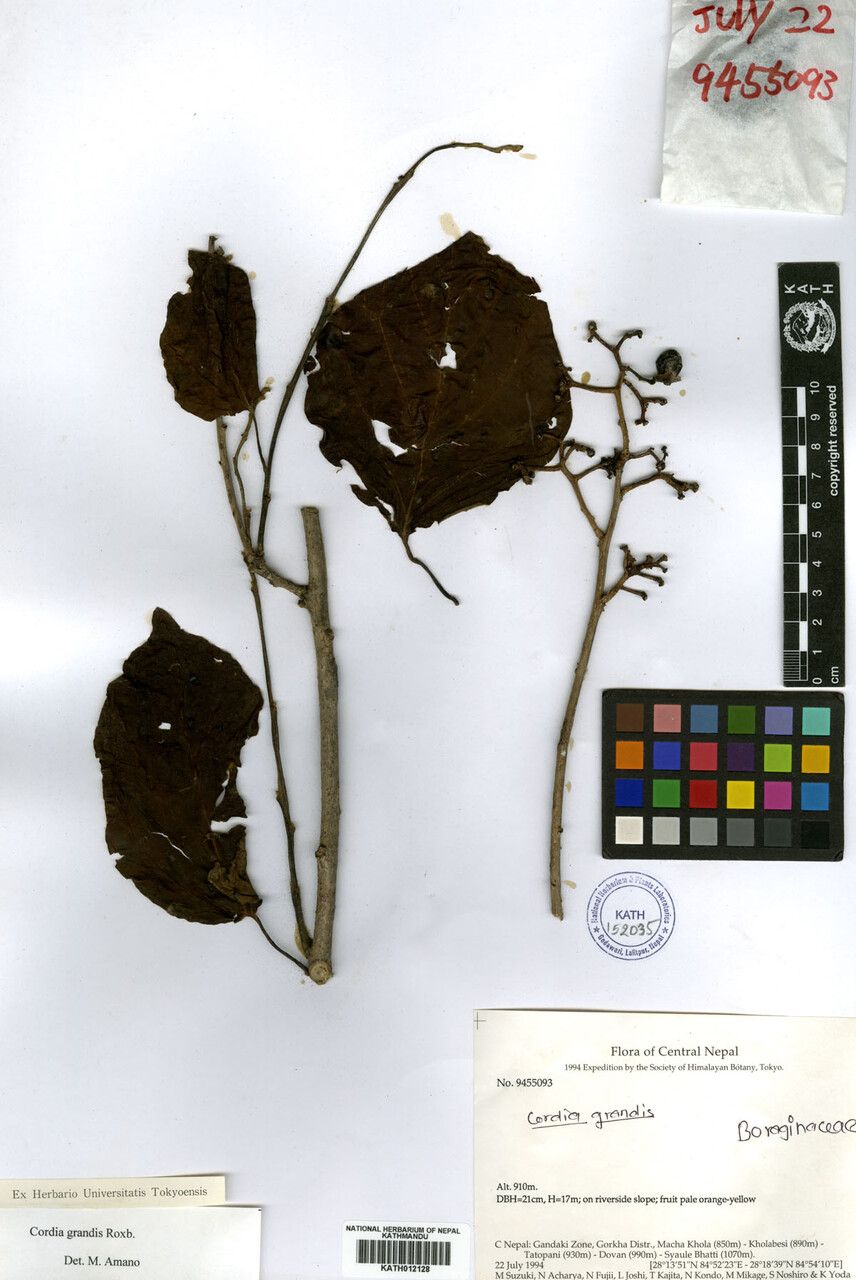
Hello there, fellow garden enthusiasts! Today, we’re diving into the delightful world of Cordia grandis, a plant that truly brings a touch of the tropics to our spaces. Imagine those magnificent, glossy leaves, and the potential for stunning blooms – it’s no wonder you’re curious about bringing more of this beauty into your life. Propagating Cordia grandis is a wonderfully rewarding journey, and while it might feel a tad excitingly new, you’ll find it’s quite achievable, even if you’re just starting to build your green thumb!
The Best Time to Start
For the best success, I always recommend propagating Cordia grandis during its active growing season. Think late spring through mid-summer. The plant is bursting with energy then, making it more receptive to rooting and less stressed by the process. You’re essentially tapping into its prime vigor.
Supplies You’ll Need
Gathering your tools beforehand makes the whole process much smoother. Here’s what I find essential:
- Sharp, clean pruning shears or a craft knife: For making those precise cuts. Sterilize them to prevent disease!
- Rooting hormone (powder or gel): This is a fantastic aid, especially for trickier propagations, giving your cuttings a real boost.
- Well-draining potting mix: A blend of perlite, peat moss, and a touch of compost works beautifully. You want to avoid soggy soil at all costs.
- Small pots or propagation trays: Clean containers are key.
- Clear plastic bags or a propagation dome: To create a humid microclimate.
- Spray bottle: For misting.
Propagation Methods
Let’s get our hands dirty! For Cordia grandis, stem cuttings are my go-to method.
Stem Cuttings
- Select Your Cutting: Look for healthy, non-flowering stems. A good cutting will be about 4-6 inches long and have at least two or three sets of leaves.
- Make the Cut: Using your sharp shears or knife, make a clean, angled cut just below a leaf node (where a leaf attaches to the stem). This node is where roots are most likely to form.
- Prepare the Cutting: Gently remove the lower leaves, leaving just a couple of leaves at the top. This reduces water loss and prevents leaves from rotting in the soil.
- Apply Rooting Hormone: Dip the cut end into your rooting hormone, tapping off any excess.
- Plant the Cutting: Make a small hole in your prepared potting mix with a pencil or your finger. Insert the cutting into the hole, ensuring the node is buried. Gently firm the soil around the stem.
- Create Humidity: Water the soil lightly and then cover the pot with a plastic bag, securing it gently around the pot’s rim (or use a propagation dome). Ensure the leaves aren’t touching the plastic if possible.
- Find a Good Spot: Place the pot in a bright location with indirect sunlight. Avoid direct sun, which can scorch the young cuttings.
The “Secret Sauce” (Pro Tips)
Here are a few little tricks I’ve picked up over the years that really make a difference:
- The “Wiggle Test” is Your Friend: After a few weeks, and very gently, give your cutting a tiny tug. If you feel resistance, it means roots are forming! Don’t overdo this, though – you don’t want to disturb developing roots.
- Bottom Heat is Gold: If you can, placing your pots on a seedling heat mat can significantly speed up root development. It mimics the warmth of the soil a mother plant would experience.
- Don’t Be Afraid of the Dip (Rooting Hormone): Even if your plant doesn’t seem challenging, a little dip in rooting hormone can give those cuttings a much stronger start. It’s like giving them a little nutrient boost right where they need it.
Aftercare & Troubleshooting
Once you see those first signs of new leaf growth, that’s your cue that roots are developing!
- Gradual Acclimation: Slowly introduce your new plant to less humid conditions. Start by opening the plastic bag for a few hours each day.
- Watering: Water when the top inch of soil feels dry. Aim for consistent moisture, but never soggy.
- Common Woes: The most common issue is rot, which usually happens from overwatering or poor drainage. If you see the stem turning mushy or black at the soil line, it’s likely a goner. Prevention is key here, so that well-draining mix is crucial! Yellowing leaves can sometimes indicate too much or too little water, or not enough light, but often new growth will emerge from healthy stems.
A Little Patience Goes a Long Way
Taking cuttings and nurturing them into new plants is a truly magical part of gardening. Be patient with your Cordia grandis cuttings. They’ll let you know when they’re ready. Enjoy the journey, learn from each attempt, and soon you’ll have a whole collection of these gorgeous plants to admire and share. Happy propagating!
Resource:
https://identify.plantnet.org/k-world-flora/species/Cordia%20grandis%20Roxb./data