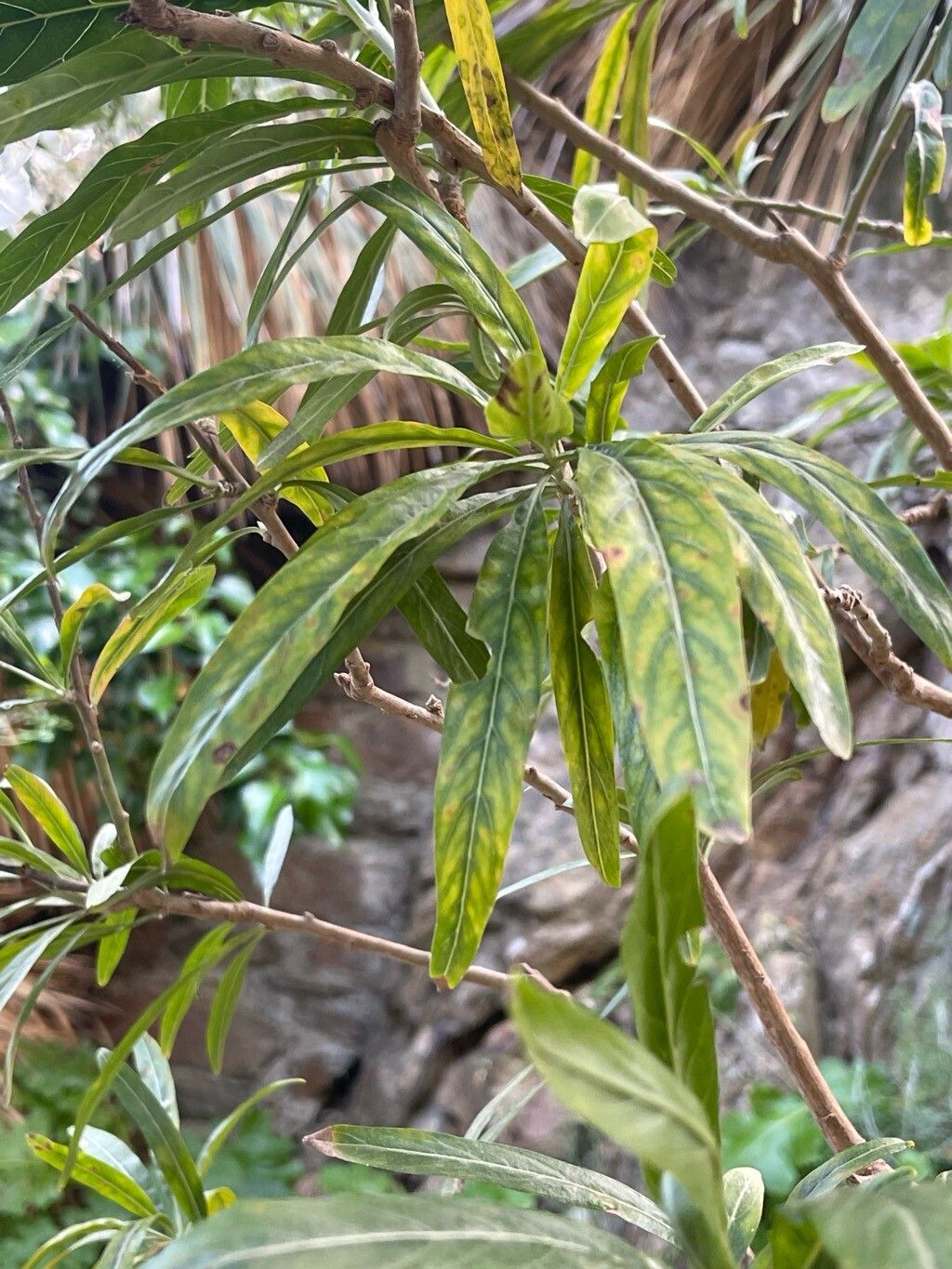
Oh, Convolvulus floridus! If you’ve ever seen this lovely shrub gracing a garden, you know exactly why I’m so smitten. Those delicate, trumpet-shaped flowers, often a soft white or pale pink, bloom prolifically throughout much of the year, giving your garden a constant touch of airy elegance. It smells wonderful, too, with a gentle, sweet fragrance that’s just heavenly on a warm evening. What’s even better? Propagating it is a truly rewarding experience, and while it might sound a little daunting, I think you’ll find it quite manageable. It’s a fantastic plant for those just dipping their toes into propagation.
The Best Time to Start
For the highest success rates with Convolvulus floridus, I always lean towards late spring or early summer. This is when the plant is actively growing, full of vigor, and has plenty of healthy, semi-hardened new growth to work with. You want stems that are a little firm but not yet woody. Think of that perfect stage where a soft stem is just starting to get a bit of backbone. Trying to propagate when the plant is stressed, maybe from extreme heat or cold, can just lead to disappointment.
Supplies You’ll Need
Gathering your tools beforehand makes the whole process so much smoother. Here’s what I always have on hand:
- Sharp pruning shears or a clean knife: For making clean cuts to avoid damaging the stems.
- Rooting hormone (optional but recommended): A powdered or liquid form can give your cuttings a helpful boost.
- Small pots or trays: With drainage holes, of course!
- A good quality, well-draining potting mix: I often use a blend of equal parts peat moss or coir, perlite, and a bit of coarse sand. This ensures great aeration.
- Watering can or mister: For gentle watering.
- Plastic bags or a propagator: To create a humid environment.
- Labels: To keep track of your hopeful new plants!
Propagation Methods
Here are a couple of ways I find work best for Convolvulus floridus:
Stem Cuttings
This is my go-to method.
- Take your cuttings: In late spring or early summer, select healthy stems that are about 4-6 inches long. Make a clean cut just below a leaf node (where the leaf attaches to the stem).
- Prepare the cuttings: Gently remove the lower leaves from the bottom half of the cutting. This prevents them from rotting in the soil. You can leave the top few leaves.
- Apply rooting hormone (optional): Dip the cut end into your rooting hormone, tapping off any excess.
- Plant the cuttings: Fill your small pots with your prepared potting mix. Make a pilot hole with a pencil or your finger, and insert the cutting, ensuring the leaf nodes you bared are below the soil surface. Gently firm the soil around the stem.
- Water gently: Give them a good, light watering.
Water Propagation
This is a simpler method if you want to see the roots developing.
- Select and prepare cuttings: Follow steps 1 and 2 above for taking and preparing your cuttings.
- Place in water: Put the cuttings into a clean jar or glass of water. Make sure no leaves are submerged in the water. If a leaf dips below the waterline, trim it off.
- Change water regularly: Change the water every few days to keep it fresh and prevent bacterial growth.
- Wait for roots: You should start to see tiny roots appearing within a few weeks. Once they are about an inch long, you can transplant them into your prepared potting mix.
The “Secret Sauce” (Pro Tips)
Here are a few things I’ve learned over the years that can really make a difference:
- Bottom Heat is Your Friend: If you can provide a little warmth from below, perhaps using a heat mat designed for seedlings, it significantly speeds up root development. This mimics the cozy spring soil temperature they love.
- Humidity is Key, but Not Soggy: After planting your cuttings, pop a clear plastic bag over the pot (held up by sticks so it doesn’t touch the leaves) or place the pots in a propagator. This creates a humid microclimate, which is crucial for them to root before they can take up water through their roots. However, ensure there’s still some air circulation to prevent fungal issues. I often find myself peeking under the bag daily and giving a gentle shake to let fresh air in.
- Don’t Rush the Transplant: Even after you see a good amount of roots, be patient. Let them get a bit established in their initial pot or propagation tray before you try to move them into larger containers. You’ll know it’s time when you gently tug on a cutting, and there’s resistance.
Aftercare & Troubleshooting
Once your cuttings have developed a good root system, it’s time to treat them like they’re ready for prime time! Gently pot them up into larger, individual containers using your well-draining potting mix. Keep them in a bright, but indirect light spot for a week or two, gradually introducing them to more direct sunlight as they gain strength. Water them regularly, but avoid letting them sit in soggy soil – that’s the quickest way to invite root rot.
The most common sign of trouble is a cutting that wilts and seems to just get mushy rather than developing roots. This usually points to too much moisture and not enough air circulation, or sometimes a cutting that wasn’t quite healthy to begin with. Don’t be discouraged if a few don’t make it; that’s perfectly normal in the propagation world! Just try to identify what might have gone wrong and learn from it.
A Little Patience Goes a Long Way
Propagating plants is a journey, and Convolvulus floridus is a lovely companion for that ride. Embrace the process, enjoy watching those tiny roots emerge, and remember that each new plant you create is a testament to your growing green thumb. Happy propagating!
Resource:
https://identify.plantnet.org/k-world-flora/species/Convolvulus%20floridus%20L.f./data