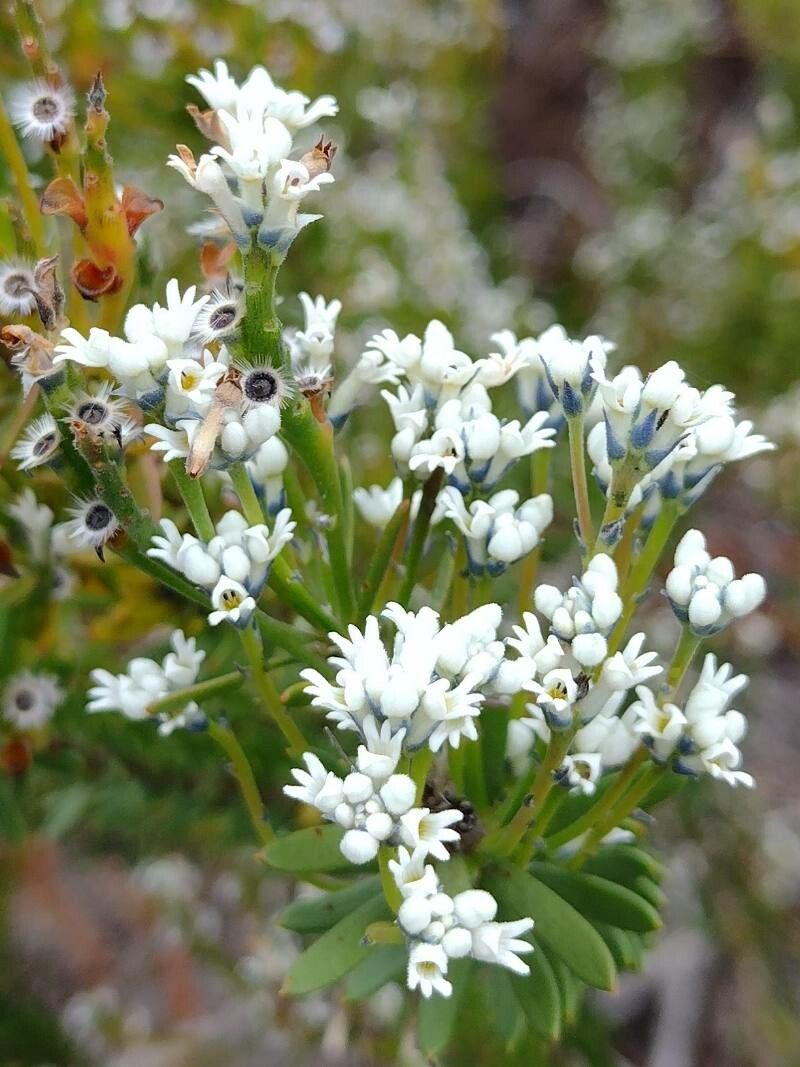
Oh, Conospermum taxifolium! If you’ve ever seen this little gem in a garden, you know the delight it brings. Its delicate, blue-grey foliage and charming little pom-pom flowers are just… well, they’re pure understated elegance. And the best part? You can actually grow more of them yourself! Trust me, there’s a special kind of satisfaction in taking a small piece of a plant and coaxing it into a whole new, thriving individual. It’s a little like magic, but with a dose of science.
Now, I won’t sugarcoat it for you. Conospermum taxifolium isn’t always the easiest plant to propagate for absolute beginners, but with a bit of care and the right approach, you can absolutely achieve success. Don’t let that deter you! Every gardener has to learn somewhere, and this guide is here to help you on your way.
The Best Time to Start
For Conospermum taxifolium, I’ve found the sweet spot is late spring to early summer. This is when the plant is actively growing and has plenty of energy to put into developing new roots. You want to be taking cuttings from stems that are semi-hardened – not brand new, flimsy growth, but not old, woody material either. Think of it as that comfortable in-between stage.
Supplies You’ll Need
Gathering your tools beforehand makes the whole process much smoother. Here’s what I always have on hand:
- Sharp, clean pruning shears or a sharp knife: Cleanliness is crucial to prevent disease.
- Rooting hormone (optional, but recommended): This gives your cuttings a nice boost. Look for one containing IBA.
- Well-draining potting mix: I usually use a mix of perlite, coarse sand, and a little bit of peat or coco coir. Think of something that dries out relatively quickly.
- Small pots or seed trays with drainage holes: These will be home for your new babies.
- A watering can or spray bottle: For gentle watering.
- Clear plastic bags or a propagator lid: To create a mini-greenhouse effect.
- A small label or marker: To remember what you planted and when!
Propagation Methods
Stem cuttings are generally your best bet for Conospermum taxifolium. It’s straightforward and yields great results.
Stem Cuttings:
- Select your cutting material: Snip off a healthy, semi-hardened stem that is about 4-6 inches long. Make your cut just below a leaf node (where a leaf attaches to the stem). This is where rooting hormones are often more readily produced.
- Prepare the cutting: Gently remove the bottom half of the leaves. You want to expose the nodes where roots will form. If any leaves are particularly large, you can even trim them in half to reduce water loss.
- Apply rooting hormone: Dip the cut end of the stem into your rooting hormone. Tap off any excess.
- Plant your cutting: Fill your small pot with your well-draining mix. Make a small hole with your finger or a pencil, and insert the cut end of the stem, ensuring the nodes are buried in the soil. Gently firm the soil around the stem.
- Water lightly: Give the soil a gentle watering. You want it moist, but not waterlogged.
- Create a humid environment: Cover the pot with a clear plastic bag, or place it inside a propagator. Make sure the leaves aren’t touching the plastic if possible – this can encourage rot. Prop it up with a few small stakes if needed.
- Place in bright, indirect light: Find a spot that gets plenty of light but no harsh, direct sun. This can scorch delicate cuttings.
The “Secret Sauce” (Pro Tips)
Now, for a couple of little tricks that have helped me over the years:
- Bottom Heat is Your Friend: If you can, place your pots on a heat mat. Warmth encourages root development from below, giving your cuttings a real kickstart. It’s not strictly necessary, but it definitely speeds things up and improves success rates, especially if your room isn’t super warm.
- Gentle Misting is Key: Instead of watering from the top every time, a light misting of the leaves twice a day can help keep them hydrated while the cutting is trying to root. It mimics the humidity of their natural environment without waterlogging the soil. Just a quick spritz will do!
- Be Patient with the Potting Mix: Don’t be tempted to use a heavy garden soil. Conospermum taxifolium, like many natives, needs excellent drainage. If your mix stays wet for days, you’re asking for trouble with root rot. That perlite and sand combination is your best bet for keeping things aired out.
Aftercare & Troubleshooting
Once you start seeing signs of new growth – tiny leaves unfurling or resistance when you gently tug the cutting – that’s a great sign roots are forming!
- Gradually acclimatize: Once rooted, slowly start removing the plastic bag or propagator lid. Begin by taking it off for a few hours each day, then leaving it off for longer periods. This helps the new plant adjust to your home’s humidity.
- Watering: Continue to water when the top inch of soil feels dry. Avoid overwatering!
- Repotting: When the new plant has a good root system (you might see roots peeking out the drainage holes), you can carefully pot it up into a slightly larger pot with fresh, well-draining soil.
Troubleshooting:
- Yellowing leaves: This can be a sign of too much water or not enough light. Check your watering habits and move the plant to a brighter spot.
- Wilting cuttings: Often, this means the cutting is drying out too much. Ensure the humidity is good and the soil is consistently, but not soaking, moist.
- Rotting at the base: This is the most common issue and usually points to too much moisture and poor air circulation. Make sure your potting mix is suitable and you’re not overwatering. Sometimes, if you catch it early, you can trim away rotten parts and try again.
A Encouraging Closing
Propagating Conospermum taxifolium is a rewarding journey. It takes a little practice, a bit of observation, and a whole lot of patience. Don’t get discouraged if your first attempt isn’t perfect. Every gardener learns through trial and error. Just keep at it, learn from each experience, and most importantly, enjoy the process of growing something beautiful yourself. Happy gardening!
Resource:
https://identify.plantnet.org/k-world-flora/species/Conospermum%20taxifolium%20C.F.Gaertn./data