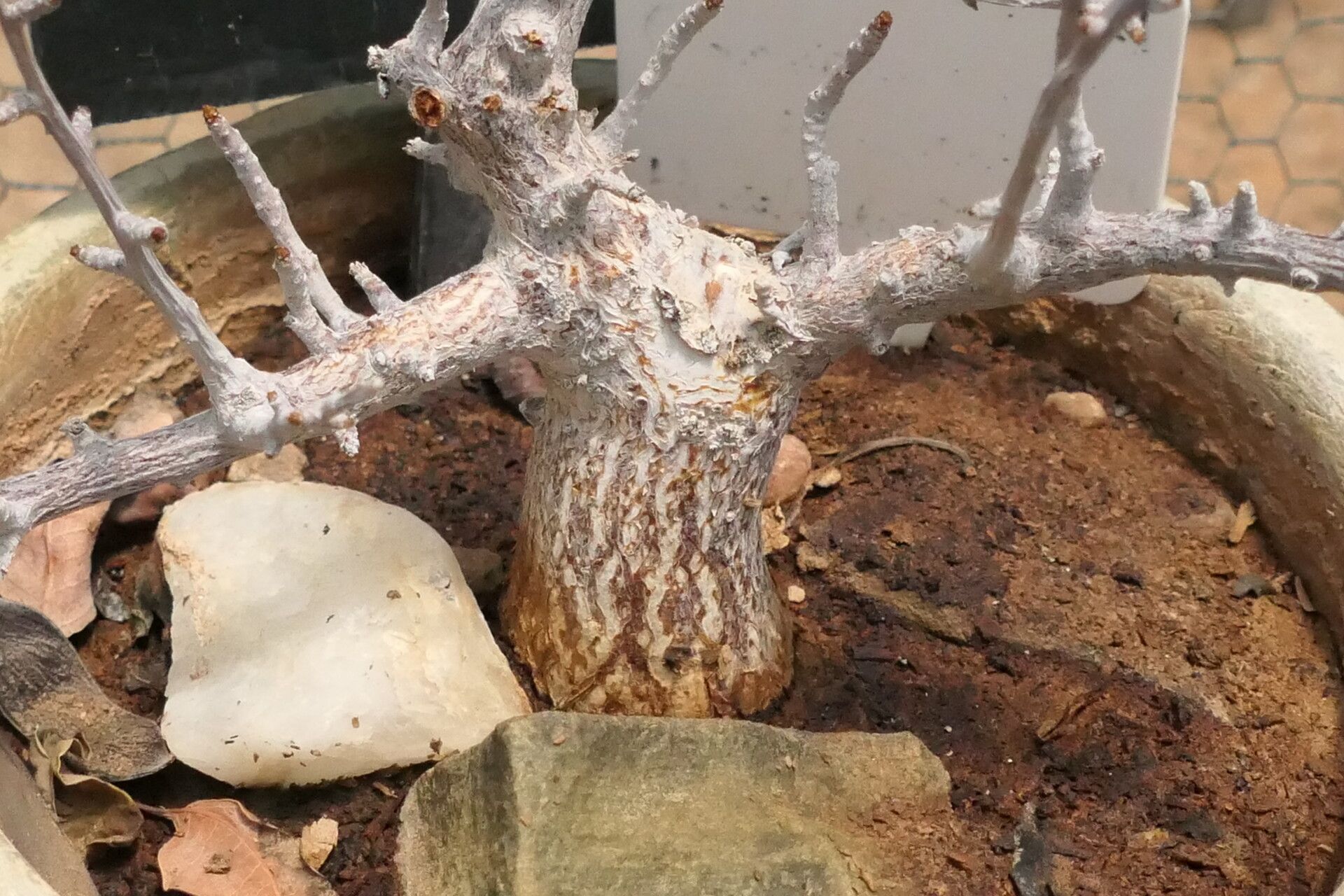
Oh, hello there! Pull up a chair and let’s chat about a plant that’s really captured my heart: Commiphora oblanceolata. It’s a beauty, isn’t it? With its unique, almost sculptural branching and intriguing foliage, it brings a wonderful architectural element to any garden or indoor space. And the best part? Getting more of these treasures is surprisingly achievable. For those of you just dipping your toes into plant propagation, I’d say Commiphora oblanceolata is a rewarding challenge. It’s not exactly “plant-it-and-forget-it” easy, but with a little care and attention, you’ll be handsomely rewarded.
The Best Time to Start
When I’m looking to propagate my Commiphora oblanceolata, I always aim for the late spring or early summer. This is when the plant is in its most vigorous growth phase. We’re talking about nice, firm, but still relatively young stems. These are the perfect candidates for cuttings – they have the energy to push out roots and adapt to their new environment. Avoid taking cuttings from old, woody growth or when the plant is stressed, like during a heatwave or drought.
Supplies You’ll Need
Gathering your supplies beforehand makes the whole process so much smoother. Here’s what I always have on hand:
- Sharp, sterile pruning shears or a sharp knife: Cleanliness is key to preventing disease.
- Rooting hormone (optional but recommended): A little powder or gel can give your cuttings a significant boost.
- Well-draining potting mix: I like a commercial cactus/succulent mix, or I make my own by combining equal parts potting soil, perlite, and coarse sand for excellent drainage.
- Small pots or trays: Clean ones, of course! Small ones are better for cuttings as they prevent the potting mix from staying too wet.
- Watering can with a fine rose or a spray bottle: Gentle watering is essential.
- Plastic bags or a propagation dome: To create a humid environment for your cuttings.
- Labels and a waterproof pen: To keep track of what you’ve planted and when.
Propagation Methods
For Commiphora oblanceolata, I find stem cuttings to be the most reliable method for growing new plants.
Stem Cuttings:
- Select your cutting: Look for a healthy stem that’s about 4-6 inches long. Make sure it has at least two sets of leaves.
- Make the cut: Using your sharp, sterile shears, make a clean cut just below a leaf node (where a leaf attaches to the stem). This is where the plant is primed to produce roots.
- Prepare the cutting: Gently remove the lower leaves from the bottom half of the cutting. If the leaves are large, you can even cut them in half to reduce water loss.
- Apply rooting hormone (optional): If you’re using rooting hormone, dip the cut end of the stem into the powder or gel. Tap off any excess.
- Plant the cutting: Fill your small pot with your well-draining potting mix. Make a small hole in the center with your finger or a pencil. Insert the cutting into the hole, ensuring the leaf nodes are buried. Gently firm the soil around the stem to support it.
- Water gently: Water the potting mix lightly until it’s just moist. Don’t overwater!
- Create humidity: Cover the pot with a clear plastic bag or place it under a propagation dome. Make sure the leaves don’t touch the plastic, as this can encourage rot. You can use stakes to keep the bag or dome elevated.
- Provide warmth and light: Place the pot in a warm spot with bright, indirect light. Avoid direct sunlight, which can scorch the delicate cuttings.
The “Secret Sauce” (Pro Tips)
Here are a couple of things I’ve learned over the years that make a big difference:
- The “Callusing” Trick: Before even planting your cuttings, let the cut end dry out and form a callus for 24-48 hours in a dry, shaded spot. This helps prevent rot when you plant them. It’s like giving the wound a chance to heal a bit before it encounters moisture.
- Bottom Heat is Your Friend: If you have access to a heat mat, it can really speed things up. Placing your pots on a gentle heat mat (around 70-75°F or 21-24°C) encourages root development from below, giving your cuttings a much better chance of success.
Aftercare & Troubleshooting
Once your cuttings have roots (this can take anywhere from 4 weeks to a couple of months), you’ll notice new growth appearing. This is your sign!
- Acclimatize slowly: Once roots are established and you see signs of new growth, gradually remove the plastic bag or dome over a week or so. This helps the plant adjust to lower humidity.
- Watering: Continue to water sparingly, only when the top inch of soil feels dry. Overwatering is still the biggest enemy at this stage.
- Light: Keep it in bright, indirect light. As the plant grows, you can gradually introduce it to more direct sunlight, but observe its reaction.
Now, what if things don’t go as planned? Rot is the most common culprit. If your cutting turns black, mushy, and smells unpleasant, it’s a goner. This usually happens due to overwatering or lack of air circulation. Don’t be discouraged! Just discard the rotten cutting, sterilize your pot, and try again with a fresh one, making sure to adjust your watering and humidity levels. Sometimes, a cutting just won’t root, and that’s okay too. Not every attempt will be a success, and that’s a normal part of gardening.
A Encouraging Closing
Propagation is a journey, and the Commiphora oblanceolata is a wonderful travel companion. Be patient, observe your cuttings closely, and celebrate every little sign of progress. The satisfaction of nurturing a new plant from a tiny cutting is truly one of life’s simple, profound joys. Happy propagating!
Resource:
https://identify.plantnet.org/k-world-flora/species/Commiphora%20oblanceolata%20Schinz/data