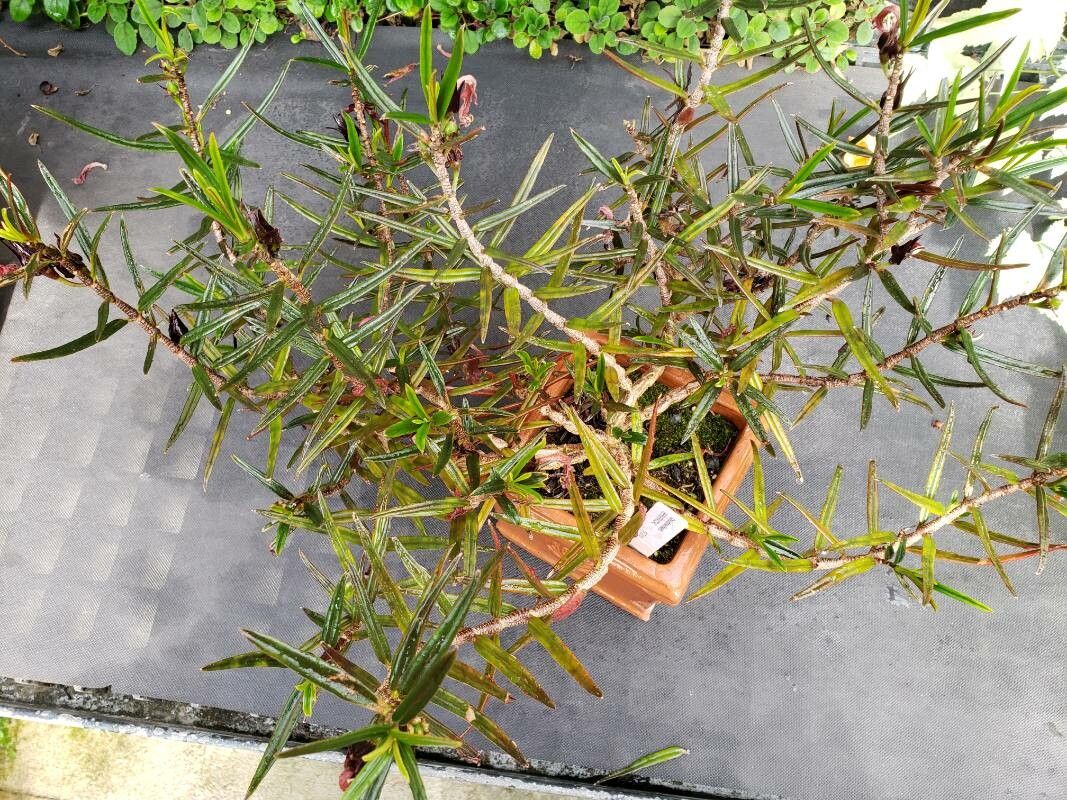
Bringing More Glimmer: Your Guide to Propagating Columnea linearis
Oh, the allure of a cascading Columnea linearis! Its vibrant, often tubular flowers, like little ruby slippers or fiery orange kisses, spilling over a pot are truly a delight. And the best part? You can easily multiply this joy! Propagating these “goldfish plants” (though linearis is a bit more elegant than a goldfish, don’t you think?) is incredibly rewarding. It’s a fantastic way to fill those empty spots on your shelves or share a bit of green goodness with fellow plant lovers. For those just starting their plant journey, you’ll be happy to hear that Columnea linearis is quite forgiving when it comes to propagation – a wonderful confidence booster!
The Best Time to Start
When it comes to getting new Columnea linearis plants, I’ve found the late spring or early summer to be your golden window. This is when the plant is actively growing after its natural dormancy period, meaning it has plenty of energy to put into forming new roots. You’ll see lots of fresh, vibrant growth, and taking cuttings then just encourages the parent plant to branch out more too!
Supplies You’ll Need
Gathering the right tools makes all the difference. Here’s what I always have on hand:
- Sharp, clean pruning shears or a sharp knife: For making clean cuts on your parent plant and cuttings.
- Small pots or containers: About 2-4 inches in diameter work well. Make sure they have drainage holes!
- Well-draining potting mix: A good blend of peat moss or coco coir, perlite, and a bit of regular potting soil is perfect. You want it fluffy and airy.
- Rooting hormone (optional but recommended): This little helper can significantly speed up root development. Look for a powder or gel.
- Plastic bags or a propagation dome: To create a humid environment for your cuttings.
- Spray bottle: For misting.
Propagation Methods
Columnea linearis is a champ when it comes to stem cuttings. It’s straightforward and usually takes off beautifully.
Stem Cuttings:
- Select your stems: Look for healthy, vigorous stems on your Columnea that are at least 4-6 inches long. Avoid any that are woody or particularly old.
- Make the cut: Using your clean shears or knife, take a cutting just below a leaf node. A leaf node is that little bump on the stem where a leaf grows out. This is where roots will emerge.
- Prepare the cutting: Gently remove the lower leaves from the bottom half of the cutting. You want to expose at least one or two leaf nodes. If the cutting is very long, you can even cut it in half crosswise to create two shorter cuttings.
- Apply rooting hormone (optional): If you’re using it, dip the cut end of the stem into the rooting hormone. Tap off any excess.
- Plant your cuttings: Fill your small pots with your prepared potting mix. Moisten the mix thoroughly. Make a small hole in the soil and insert the cut end of the stem, ensuring that at least one leaf node is buried. Gently firm the soil around the stem.
- Create humidity: Lightly mist the leaves of the cutting. Then, cover the pot with a plastic bag or place it under a propagation dome. Make sure the plastic doesn’t directly touch the leaves if possible.
- Find a cozy spot: Place the pots in a warm location with bright, indirect light. Avoid direct sun, as it will scorch your young cuttings.
The “Secret Sauce” (Pro Tips)
Here are a couple of tricks I’ve learned over the years that really give your cuttings an edge:
- Bottom heat is your friend: If you have an old heating mat for seedlings, pop your pots on top of it. Consistent warmth from below encourages root development much faster than cool soil. You don’t need it scorching hot, just gently warm.
- Watch the water retention, not soggy soil: The biggest mistake I see beginners make is overwatering. Your potting mix should be moist but not waterlogged. If you squeeze a handful, only a drop or two of water should come out. Soggy soil is a fast track to rot. I often let the surface of the soil dry out slightly between waterings.
- Don’t give up too soon! Sometimes these little guys take their time. I’ve had cuttings that took 6-8 weeks before I saw real signs of new growth. Just keep them consistently moist (but not wet) and warm, and be patient.
Aftercare & Troubleshooting
Once you start seeing new leaf growth emerging from your cuttings, that’s your cue! It means roots have formed.
- Gradual acclimatization: If you’ve been using a plastic bag or dome, slowly start to introduce your new plant to regular room humidity. You can do this by gradually opening the bag more each day for about a week.
- Watering: Water your new plant when the top inch of soil feels dry. Continue to provide bright, indirect light.
- Transplanting: Once your new plant is a decent size and has a good root system (you might see roots emerging from the drainage holes), you can transplant it into a slightly larger pot.
The most common sign of failure is rot. If your cutting turns brown and mushy, or if the leaves start yellowing and dropping dramatically, it’s likely that the stem has rotted. This is usually due to too much moisture. If you catch it early, you might be able to salvage a healthy section of the stem and try again.
A Little Patience, A Lot of Beauty
Propagating plants is a journey, and with Columnea linearis, it’s a beautiful one. Don’t be discouraged if your first attempt isn’t perfect. Each cutting, each new plant, is a chance to learn and grow alongside your green companions. Enjoy the process, celebrate the tiny signs of life, and soon you’ll have a cascade of glimmering blooms to admire!
Resource:
https://identify.plantnet.org/k-world-flora/species/Columnea%20linearis%20Oerst./data