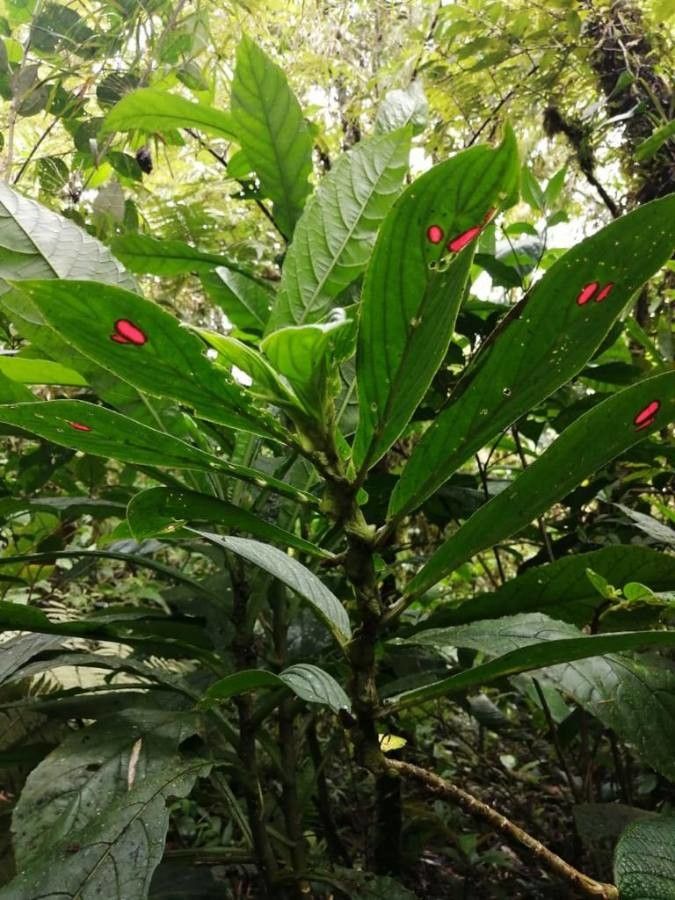
Oh, hello there! Come on in and pull up a chair. I’m so excited to chat about Columnea consanguinea today. If you’ve ever seen these beauties cascading down a pot, with their vibrant orange-red flowers, you know exactly why I’m so smitten. They bring such an unexpected burst of jungle color to just about any space. And the best part? They are surprisingly easy to multiply! Sharing these leafy wonders with friends or just filling up your own plant shelves is incredibly satisfying. Don’t let their exotic look fool you; propagating them is a joy for beginners and seasoned plant parents alike.
The Best Time to Start
For Columnea consanguinea, you’ll find the greatest success when you propagate during its active growing season. This typically means spring and summer. The plant is energized then, with plenty of sap flow, which really helps cuttings establish themselves quickly. Trying in the dead of winter can be a bit of a gamble, as growth slows down.
Supplies You’ll Need
Here’s what you’ll want to have ready before you get started:
- Sharp pruning shears or a clean knife: For making nice, clean cuts.
- Well-draining potting mix: A good blend of peat moss, perlite, and a bit of orchid bark works wonders. You want something airy!
- Small pots or propagation trays: Clean ones are a must to prevent disease.
- Rooting hormone (optional but recommended): This can give your cuttings a helpful boost.
- Clear plastic bags or a propagation dome: To create a humid environment.
- Water: For water propagation.
Propagation Methods
There are a couple of tried-and-true ways to get more Columnea consanguinea for your collection.
Stem Cuttings
This is my go-to method. It’s straightforward and yields great results.
- Select healthy stems: Look for stems that are at least 4-6 inches long and have a few sets of leaves. Avoid anything too woody or leggy.
- Make the cut: Using your sharp shears, make a clean cut just below a leaf node. This is where the magic happens, where new roots will emerge.
- Prepare the cutting: Gently remove the lower leaves, leaving just a few at the top. This prevents them from rotting once planted.
- Apply rooting hormone (optional): Dip the cut end into your rooting hormone powder or gel. Tap off any excess.
- Plant the cutting: Stick the cutting about an inch deep into your prepared, moist potting mix. Gently firm the soil around it.
- Create humidity: Place the pot inside a plastic bag, loosely tented over it, or place it under a propagation dome. This traps moisture and keeps the leaves from drying out.
- Find a bright spot: Place your cuttings in a location that receives bright, indirect light. Direct sun can scorch them.
Water Propagation
This is a fun and visually rewarding way to start!
- Take cuttings as described above. Again, make sure you have a clean cut below a leaf node.
- Remove lower leaves.
- Place cuttings in water: Put the cuttings in a clean jar or glass of room-temperature water, ensuring the leaf nodes are submerged, but the leaves themselves are not.
- Change the water regularly: Refresh the water every few days to keep it clean and oxygenated.
- Watch for roots: You’ll start to see tiny white roots forming from the nodes in a few weeks.
- Pot up once roots are established: Once you have about an inch of root growth, it’s time to transplant them into your well-draining potting mix.
The “Secret Sauce” (Pro Tips)
Here are a few things I’ve learned over the years that really make a difference:
- Don’t let the leaves touch the water: If you’re water propagating, this is crucial! Any leaves submerged are just inviting rot. It’s the node that needs contact with the water to sprout roots.
- Bottom heat is your friend: If you can, placing your pots on a gentle heat mat designed for plants can significantly speed up root development. It mimics the warmth of spring soil and really encourages those cuttings to get going.
- Mist, don’t soak: When you’re maintaining humidity with a plastic bag, it’s often enough. But if you do mist, a light misting is better than creating a swamp. You’re aiming for humid, not waterlogged.
Aftercare & Troubleshooting
Once you see new leaf growth or healthy roots poking out the bottom of the pot, you know your Columnea consanguinea is happy. Gradually acclimate your new plant to normal room humidity by opening the plastic bag a little more each day. Continue to keep it in bright, indirect light and water when the top inch of soil feels dry.
The main issue you might encounter is rot. If your cutting turns mushy and black, it’s likely rotting. This usually happens from overwatering or lack of air circulation. If you see this, remove the affected cutting immediately and check that your soil is airy enough. With stem cuttings, sometimes they just don’t take. Don’t despair! It’s a numbers game; propagate more than you think you’ll need.
A Encouraging Closing
Growing new plants from cuttings is such a rewarding experience. It connects you to the natural cycle of life and allows you to share the beauty of plants with others. Be patient with your little cuttings, give them the right conditions, and enjoy the journey. Soon enough, you’ll have a whole new collection of these stunning cascading beauties! Happy propagating!
Resource:
https://identify.plantnet.org/k-world-flora/species/Columnea%20consanguinea%20Hanst./data