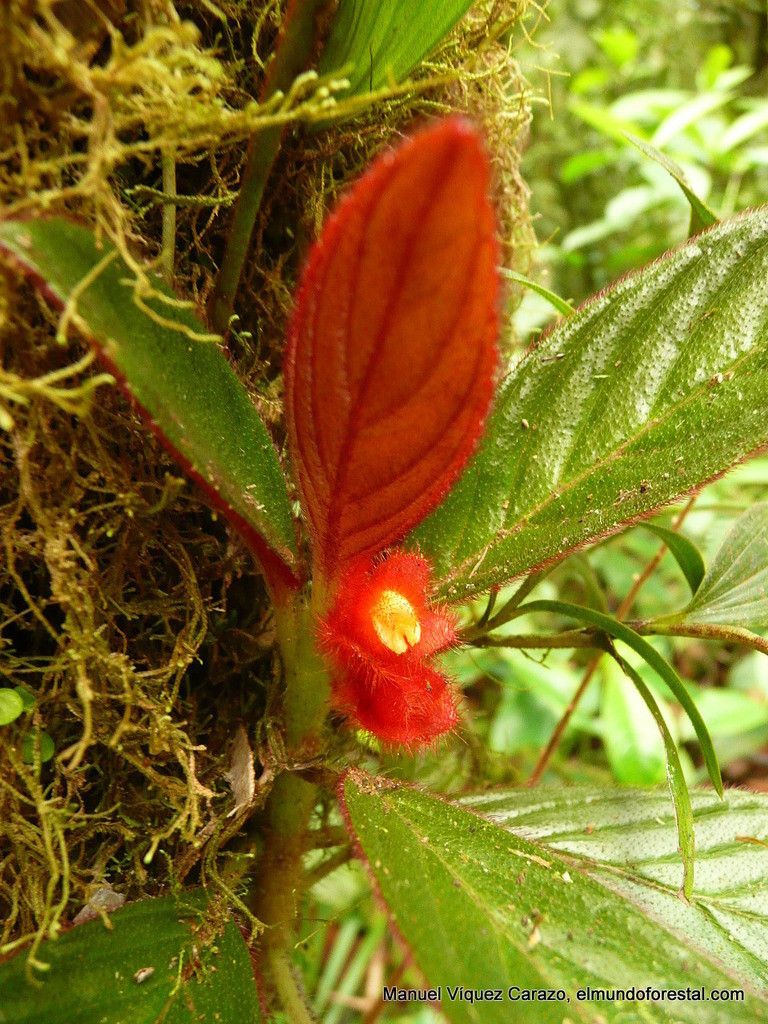
Hello, fellow plant lovers! Today, we’re going to talk about a truly stunning plant: Columnea calotricha, often called the “Goldfish Plant” for its vibrant, trailing blooms. If you’ve ever admired its cascading vines and fiery flowers, you’re in for a treat, because bringing more of these beauties into your life is incredibly rewarding. Don’t worry, while they have a reputation for being a little fussy, propagating them is absolutely doable with a few key pieces of advice. It’s a fantastic project to get your hands dirty with!
The Best Time to Start
Honestly, the sweet spot for propagating Columnea calotricha is during its active growing season. Think spring and early summer. The plant is full of energy then, which translates to faster rooting and better success. I’ve had good luck with cuttings taken just as flowering starts to wind down, as the plant puts its energy into vegetative growth. Avoid attempting this when the plant is dormant in winter.
Supplies You’ll Need
Gathering your supplies beforehand makes the whole process smoother. Here’s what I always have on hand:
- Sterilized pruning shears or sharp knife: For clean cuts, crucial for preventing disease.
- Rooting hormone powder or gel (optional but recommended): This gives cuttings a helpful boost.
- Well-draining potting mix: I like a blend of equal parts peat moss or coco coir, perlite, and a bit of orchid bark. This ensures good aeration and prevents waterlogged soil.
- Small pots or seedling trays: Clean containers are a must.
- Plastic bags or a propagation dome: To create a humid environment for your cuttings.
- Spray bottle: For misting.
- Water: Clean, room-temperature water.
Propagation Methods
There are a couple of great ways to multiply your Columnea calotricha. I find stem cuttings to be the most reliable.
Stem Cuttings
- Select a healthy stem: Look for vibrant, non-flowering growth that’s at least 4-6 inches long. Avoid old, woody stems or tiny, new shoots.
- Make the cut: Using your sterilized shears, take a clean, angled cut just below a leaf node (where a leaf attaches to the stem). This is where roots are most likely to form.
- Prepare the cutting: Gently remove the lower leaves, leaving just two or three at the very tip. This prevents them from rotting in the soil and directs the plant’s energy to rooting.
- Apply rooting hormone (optional): Dip the cut end into rooting hormone powder or gel, tapping off any excess.
- Plant your cutting: Fill your small pot with your prepared, moistened potting mix. Make a small hole with your finger or a pencil, and gently insert the cut end of the stem, burying that leaf node. Firm the soil gently around it.
- Create humidity: Water lightly, and then cover the pot with a plastic bag or place it in a propagation dome. This traps moisture. Make sure the leaves aren’t touching the sides of the bag if possible – I often use small stakes to keep the bag upright.
- Provide bright, indirect light: Place the pot in a location that gets plenty of light but no direct sun, which can scorch your new cuttings.
Water Propagation (for the patient!)
While stem cuttings in soil are my preferred method for Columnea calotricha, you can try water propagation if you have especially good light and are diligent.
- Prepare your cutting: Follow steps 1-3 from the stem cutting method above.
- Place in water: Put the cutting in a clean jar or glass filled with room-temperature water.
- Crucial tip: Ensure the leaves do not touch the water. Only the submerged stem node should be in contact with the water. As soon as you see roots forming, transplant immediately to soil – long roots in water can be a shock.
The “Secret Sauce” (Pro Tips)
Here are a couple of things I’ve learned over the years that really make a difference:
- Bottom heat is your friend: Columnea roots love warmth. Placing your pots on a seedling heat mat can significantly speed up the rooting process and increase your success rate. It’s like a cozy warm blanket for those developing roots.
- Don’t overwater the cuttings: It’s a delicate balance. The soil should be consistently moist, but never soggy. Too much water is the quickest way to invite rot, which is the bane of all propagators! I usually water thoroughly when I first plant, then just mist the soil surface lightly every few days if the bag or dome feels dry.
Aftercare & Troubleshooting
Once you start to see signs of new growth – tiny leaves emerging from the tip – that’s a good indicator that roots have formed. You can gently tug on the cutting; if there’s resistance, you’ve got roots!
- Acclimate slowly: Once roots are established, gradually remove the plastic bag or dome over a week or so. This allows the young plant to adjust to normal humidity levels.
- Move to a slightly larger pot: If your cutting seems happy and has a good root system, you can transplant it into a slightly larger pot with fresh, well-draining soil.
- Watch for rot: The biggest problem you’ll likely face is rot. If the stem cutting turns black and mushy, or develops fuzzy gray mold, it’s likely too much moisture and not enough air circulation. Unfortunately, a rotten cutting is a lost cause. Prevent it by using sterile tools, well-draining soil, and not overwatering.
A Little Patience Goes a Long Way
Propagating plants is a journey, and Columnea calotricha is no exception. Some cuttings will root quickly, while others might take their sweet time. Don’t get discouraged if it doesn’t happen overnight. The joy of nurturing a tiny cutting into a full, blooming plant is immense. So, grab your shears, get your hands in some soil, and enjoy the process of bringing more of these gorgeous goldfish-inspired beauties into your home! Happy propagating!
Resource:
https://identify.plantnet.org/k-world-flora/species/Columnea%20calotricha%20Donn.Sm./data