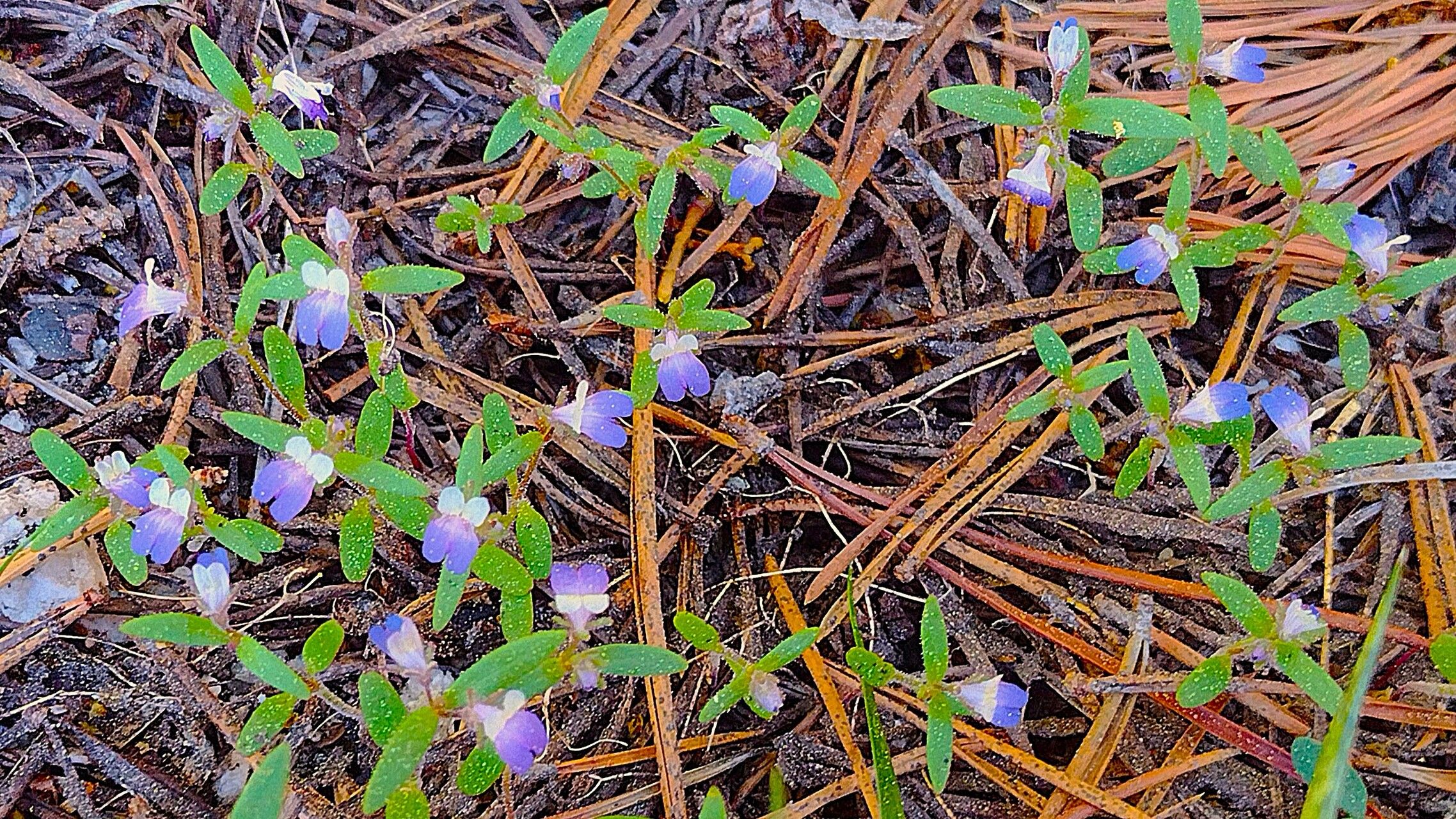
Hello there, fellow plant enthusiasts! Today, I want to talk about a little gem that brings such lovely charm to any garden: Collinsia parviflora, or as it’s often called, Small-flowered Blue-eyed Mary. If you’re looking for a native wildflower that’s not too fussy and rewards you with delicate blooms, this is one to consider. And guess what? Propagating it is surprisingly accessible, even for those just dipping their toes into the world of plant babies. It’s a truly rewarding experience to nurture a new life from a tiny seed or fragment.
The Best Time to Start
For Collinsia parviflora, starting from seed is truly your golden ticket. The best time for this is in the fall. Unlike many plants that crave warmth, Blue-eyed Mary actually benefits from a period of cold stratification. Think of it like tucking them in for a natural winter nap! This means sowing the seeds outdoors directly where you want them to grow, allowing the winter rains and frosts to do their magic. Come spring, you’ll be rewarded with cheerful sprouts.
Supplies You’ll Need
When we’re talking about starting Collinsia parviflora from seed, you don’t need a whole lot of fancy equipment. It’s quite down-to-earth.
- Seeds: Freshly harvested, or from a reputable supplier.
- Trowel or small spade: For loosening the soil where you’ll be sowing.
- Watering can with a fine rose: To water gently without disturbing the tiny seeds.
- Optional: A light covering of compost or fine soil: If your seed heads shatter, you might want to collect them and sow immediately, then lightly cover.
Propagation Methods
As I mentioned, direct sowing seeds in the fall is the superstar method for Collinsia parviflora. It mimics how this lovely plant naturally reproduces.
- Choose your spot: Find a location in your garden that receives partial shade to full sun. Collinsia parviflora isn’t overly picky, but it appreciates sites that don’t dry out completely in the summer. They often pop up in meadows and open woodlands.
- Prepare the ground: Gently loosen the soil where you plan to sow. You want to give those tiny roots a clear path to grow. No need for heavy digging, just a light raking works wonders.
- Sow the seeds: If you’ve collected seed heads, you can gently rub them between your hands to release the seeds. Scatter the seeds thinly over the prepared soil. Don’t worry about planting them deeply; they can be quite shallow. A good rule of thumb is to sow them at a depth no more than twice their diameter.
- Water gently: Use your watering can with a fine rose to water the area thoroughly but with a delicate touch. You don’t want to wash away your precious seeds!
- Let nature do the rest: The beauty of this method is that you can largely step back. The winter rain and cold will naturally stratify the seeds, preparing them for germination in the spring. Keep the area reasonably moist if your fall is exceptionally dry, but generally, nature has it covered.
The “Secret Sauce” (Pro Tips)
Here are a couple of things I’ve learned over the years that can give you an extra edge with Collinsia parviflora:
- Mimic the natural setting: These plants often self-seed in disturbed soil. If you have a bare patch in your garden where you’ve recently cleared something or the soil has been turned, that’s a prime spot for sowing. Don’t be afraid to try areas where you’ve had them before, as they can be quite adept at finding their own favorable conditions.
- Don’t overseed too thinly in one spot: While you don’t want a dense jungle, Collinsia parviflora actually looks quite delightful when it forms a light, naturalistic carpet. If you sow your seeds a bit more generously in a small area, you’ll get a more impactful display. Just don’t let them get so crowded that they’re struggling for resources once they start growing.
Aftercare & Troubleshooting
Once your little Blue-eyed Mary sprouts begin to appear in the spring – hooray! – the ‘aftercare’ is mostly about keeping the soil consistently moist. They are wildflowers, after all, and they naturally prefer conditions that offer a steady supply of water, especially as they establish.
The most common sign of trouble you might encounter is damping off, which is a fungal disease that can affect young seedlings. This usually happens when conditions are too wet and the air circulation is poor, leading to a soft, mushy stem at the soil line. If you see this, your best bet is to ensure good air flow and avoid overwatering. If it’s a widespread issue, you might need to start a fresh batch with better drainage and less moisture.
A Encouraging Closing
Propagating Collinsia parviflora is a lovely exercise in patience and observation. By sowing your seeds in the fall and letting nature take its course, you’re participating in a wonderful cycle. Don’t get discouraged if your first attempt isn’t an explosion of flowers right away. Gardening is all about learning, and each season offers new lessons. Enjoy the process, and soon you’ll be delighting in the soft sway and delicate beauty of your own blooming Blue-eyed Marys! Happy planting!
Resource: